Extraction, shown on real documents
Each page has a complete worked example for a specific document type including inputs, outputs (parse response, extract response, grounding), and the code required to reproduce the pipeline.

73 of 73 document types
Try ‘bill’, ‘tax’ or ‘identity’
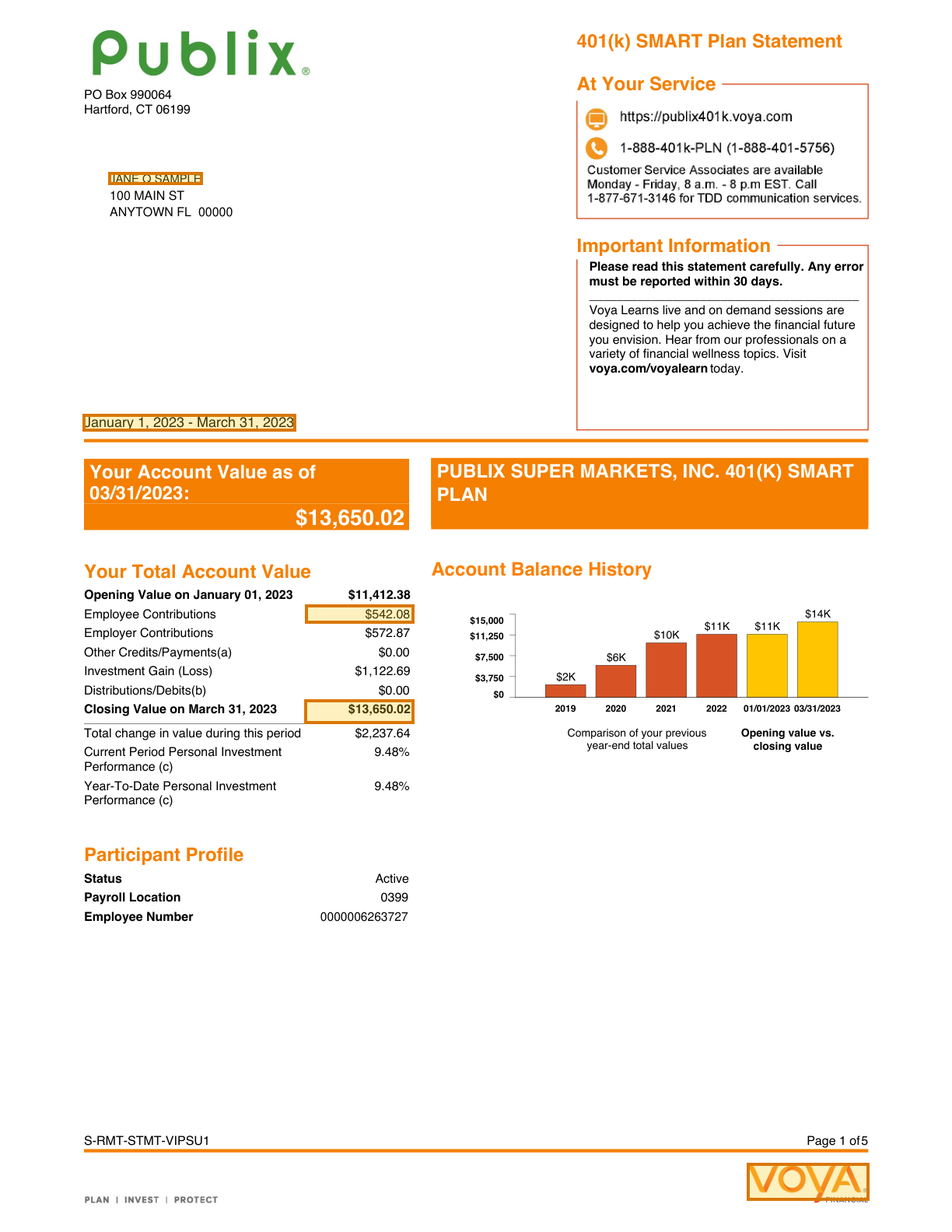
401(k) Statement
A 401(k) plan reports to every participant each quarter, through whichever recordkeeper the employer hired, and each one brands its statement its own way. A mortgage underwriter reads one to count reserves. Large lenders see thousands a quarter, arriving as portal downloads and phone photographs. An underwriter needs the account holder, the statement date, the account balance and the contributions behind it. A loan origination system counts the balance toward reserves and reads the contribution rate as evidence of steady income.
25-field schema · grounded sample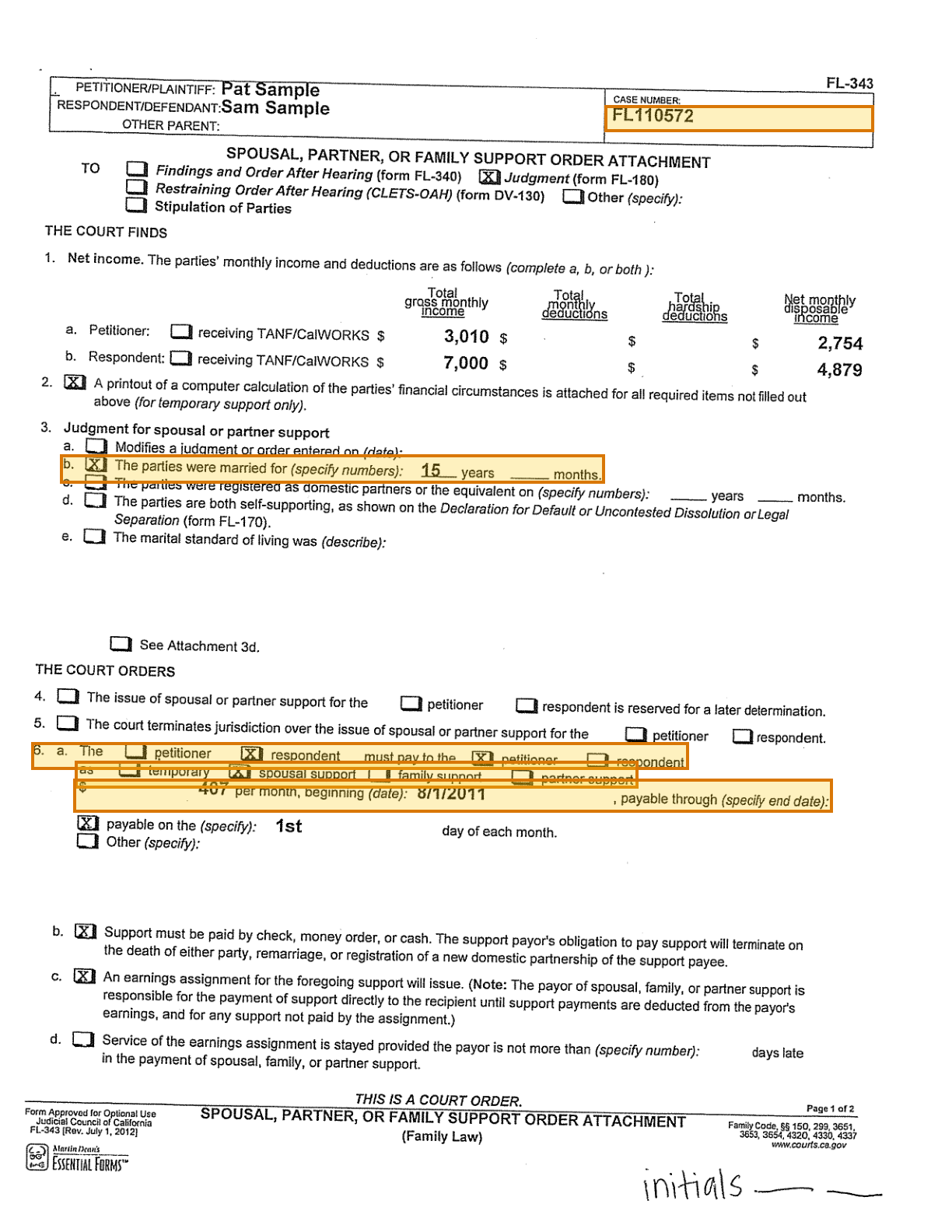
Alimony Court Order
A family court orders spousal support in a judgment or a support order, on the state's own judicial forms. Mortgage lenders collect one from every applicant who receives or pays alimony, as a scanned certified copy uploaded to the borrower portal. Underwriting needs the payor, the support type, the monthly amount, the start date and any end date. The loan origination system counts the payment as income only when it continues for three more years, and counts it as a debt when the borrower pays.
31-field schema · grounded sample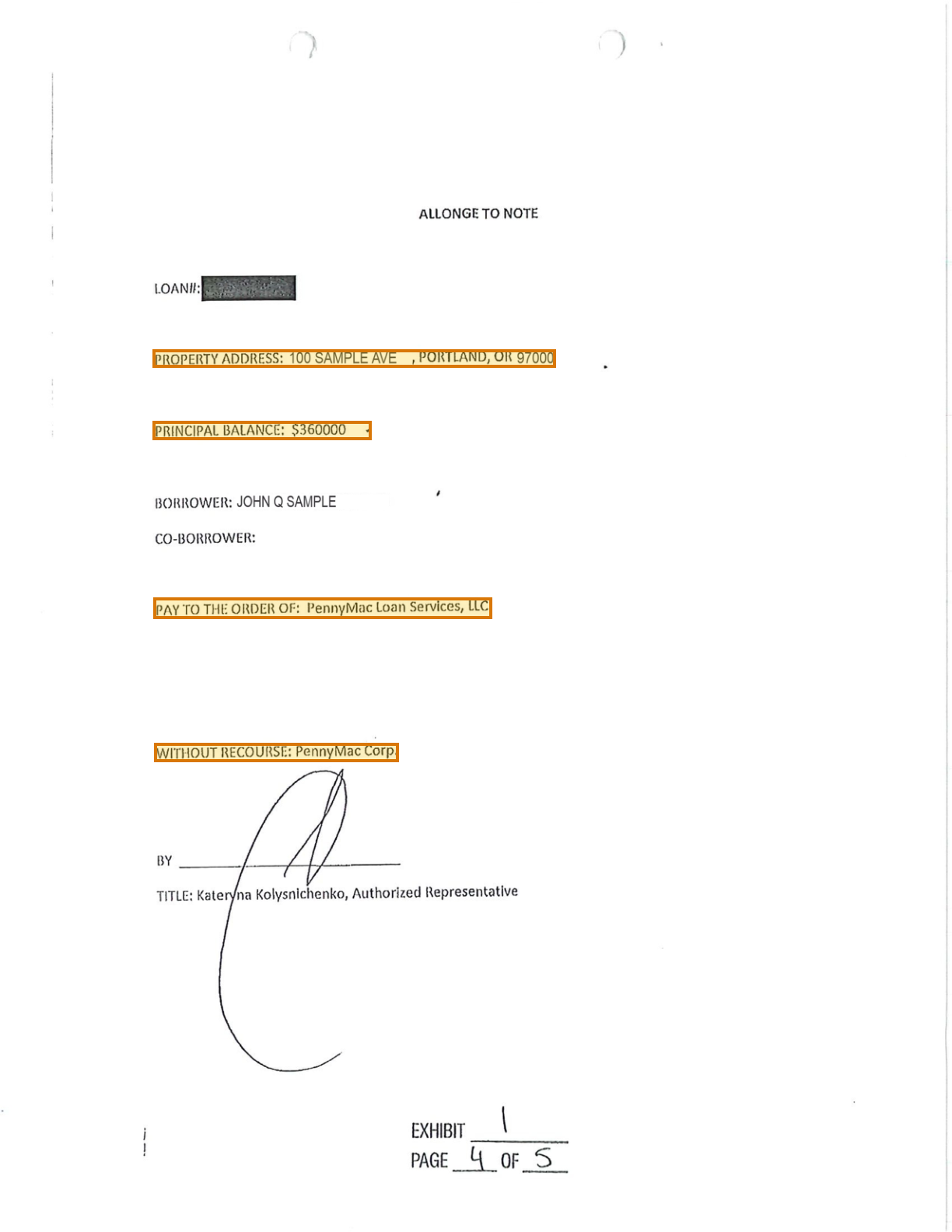
Allonge to Note
When a mortgage note is sold, the seller often endorses it on an allonge, a sheet attached to the note on its own letterhead or a plain form. Document custodians and foreclosure counsel review one or more in every transferred loan file, scanned with the note into the collateral file. A custodian needs the note the allonge belongs to, identified by borrower, amount and property, plus the payee and the endorser. Collateral review matches each allonge to its note and confirms the endorsements run unbroken to the current holder.
13-field schema · grounded sample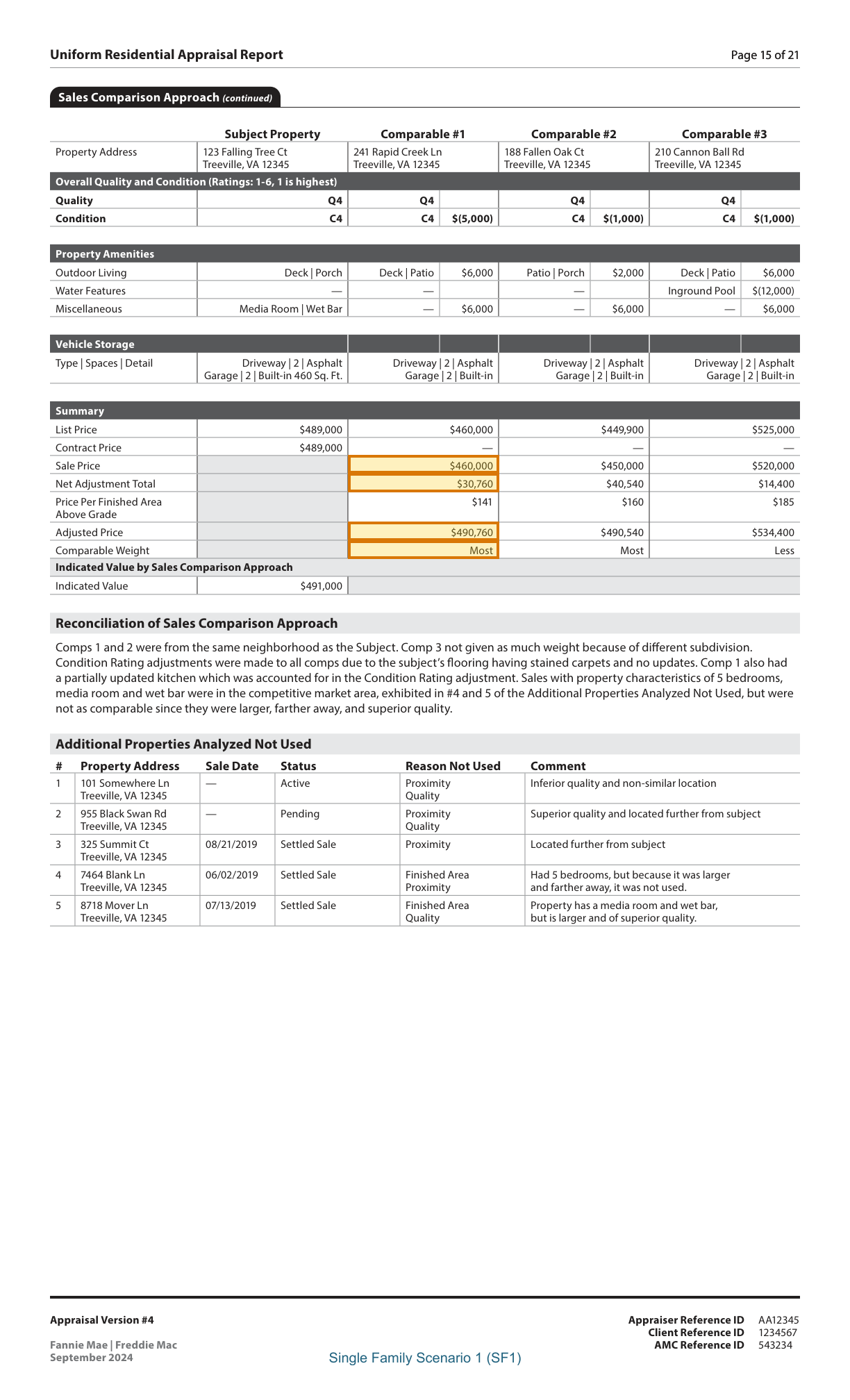
Appraisal Report
A licensed appraiser writes an appraisal report for most purchase and refinance mortgages. It uses the Uniform Residential Appraisal Report or an older GSE form, filled in the appraiser's own software. A lender's collateral review team receives one per loan, as a PDF and data file from an appraisal management company. Collateral review needs the opinion of market value, the condition and quality ratings and each comparable's sale price and adjustments. The lender submits the report to the Uniform Collateral Data Portal for scoring, and sets the loan-to-value ratio from the value.
57-field schema · grounded sample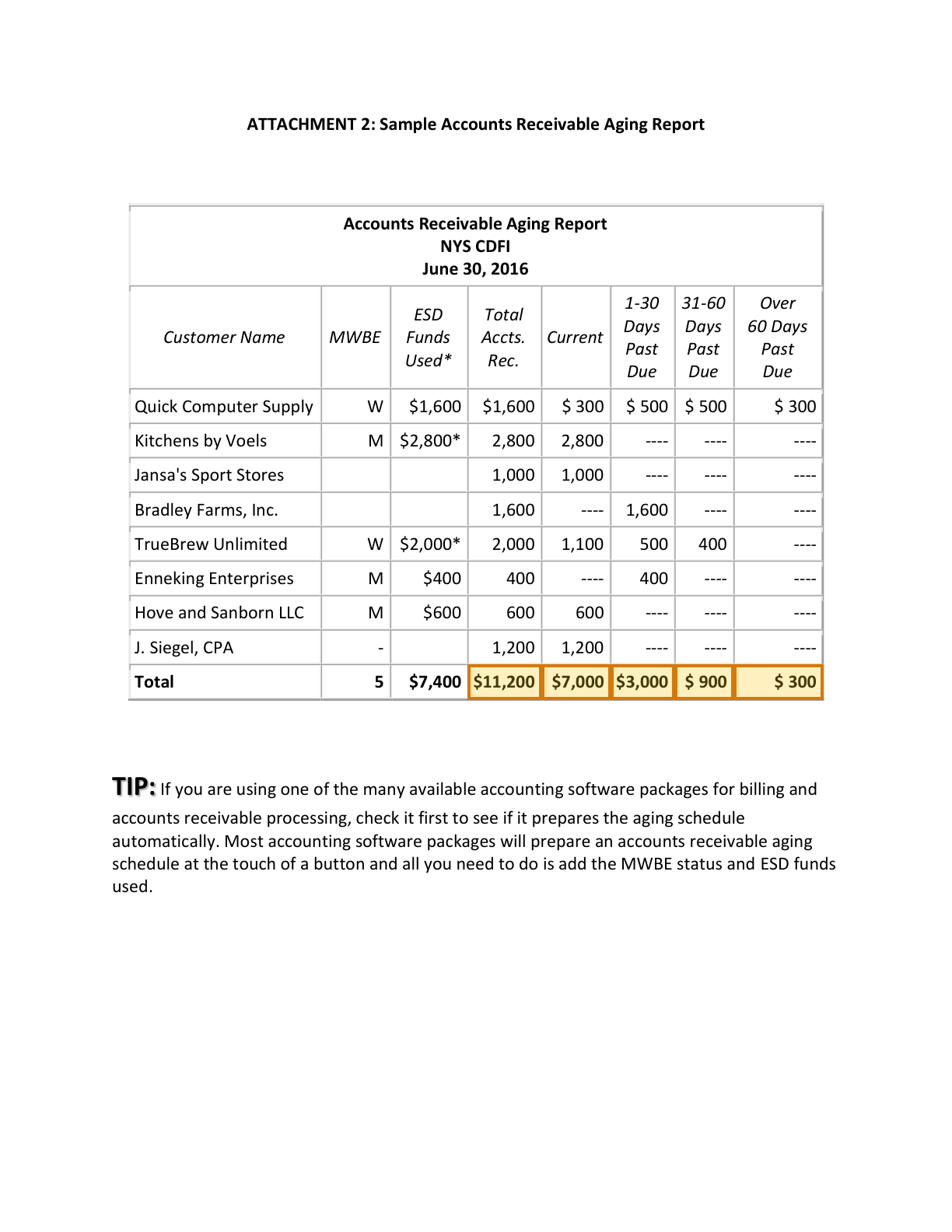
AR and AP Aging Report
Every accounting package prints an aging report of receivables or payables, each with its own columns and bucket boundaries. Asset-based and small business lenders collect one from each borrower every month, exported as a PDF or spreadsheet and uploaded to the lender's portal. Credit analysts need the total balance, each aging bucket and the customers behind the largest balances. Each month the borrowing base calculation counts current receivables as eligible collateral, and excludes balances older than the lender's cutoff.
22-field schema · grounded sample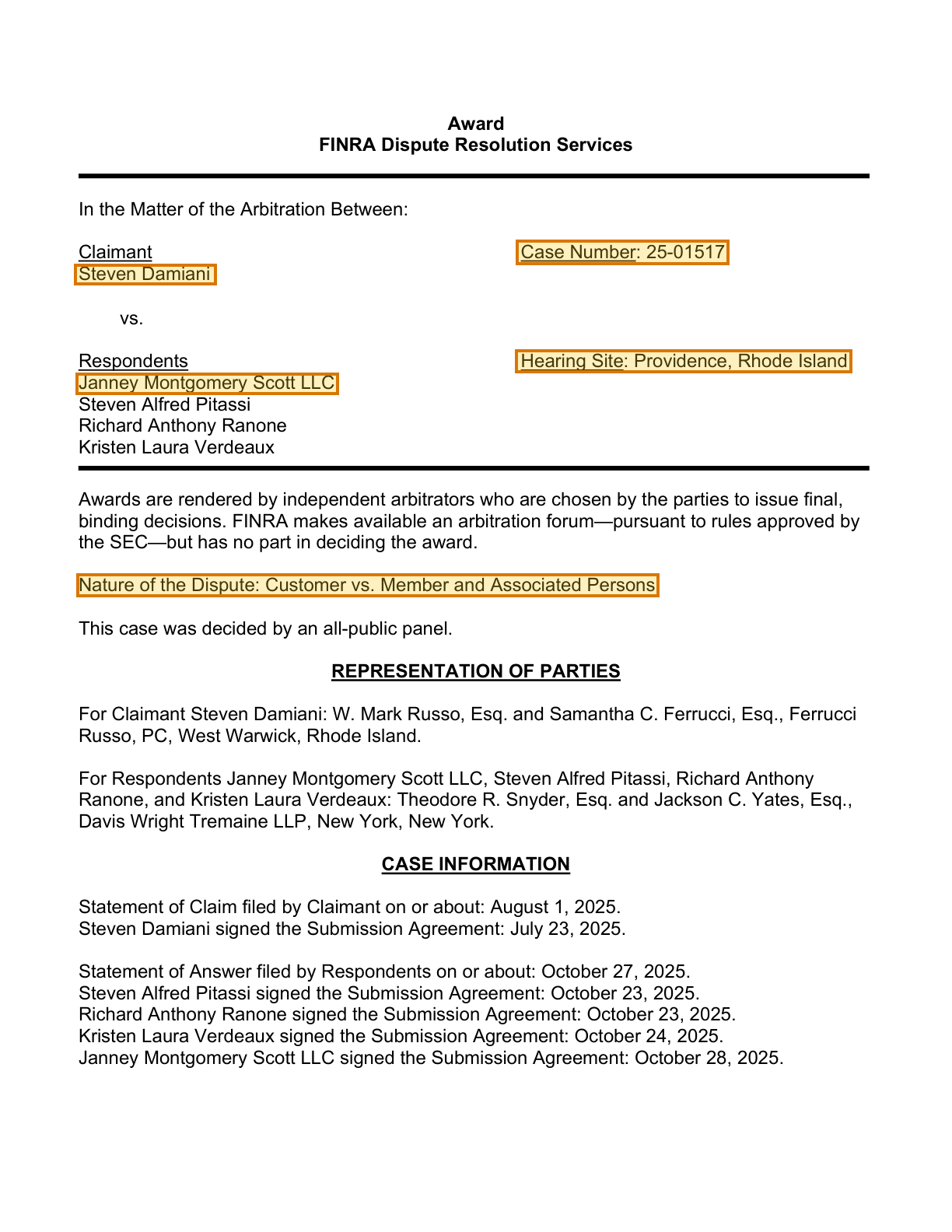
Arbitration Award
A tribunal issues one award at the end of a case, and courts enforce it. Each institution has its own house style: FINRA fills in a five-page form, an ICC tribunal writes a judgment past a hundred pages. Enforcement counsel, regulators and litigation databases take them by the thousand from public registers and case portals. A reader needs the parties, the money, the fee split and what the panel refused. Regulatory disclosure systems publish those against a firm's record, and a court reads them when it is asked to enforce the award.
50-field schema · grounded sample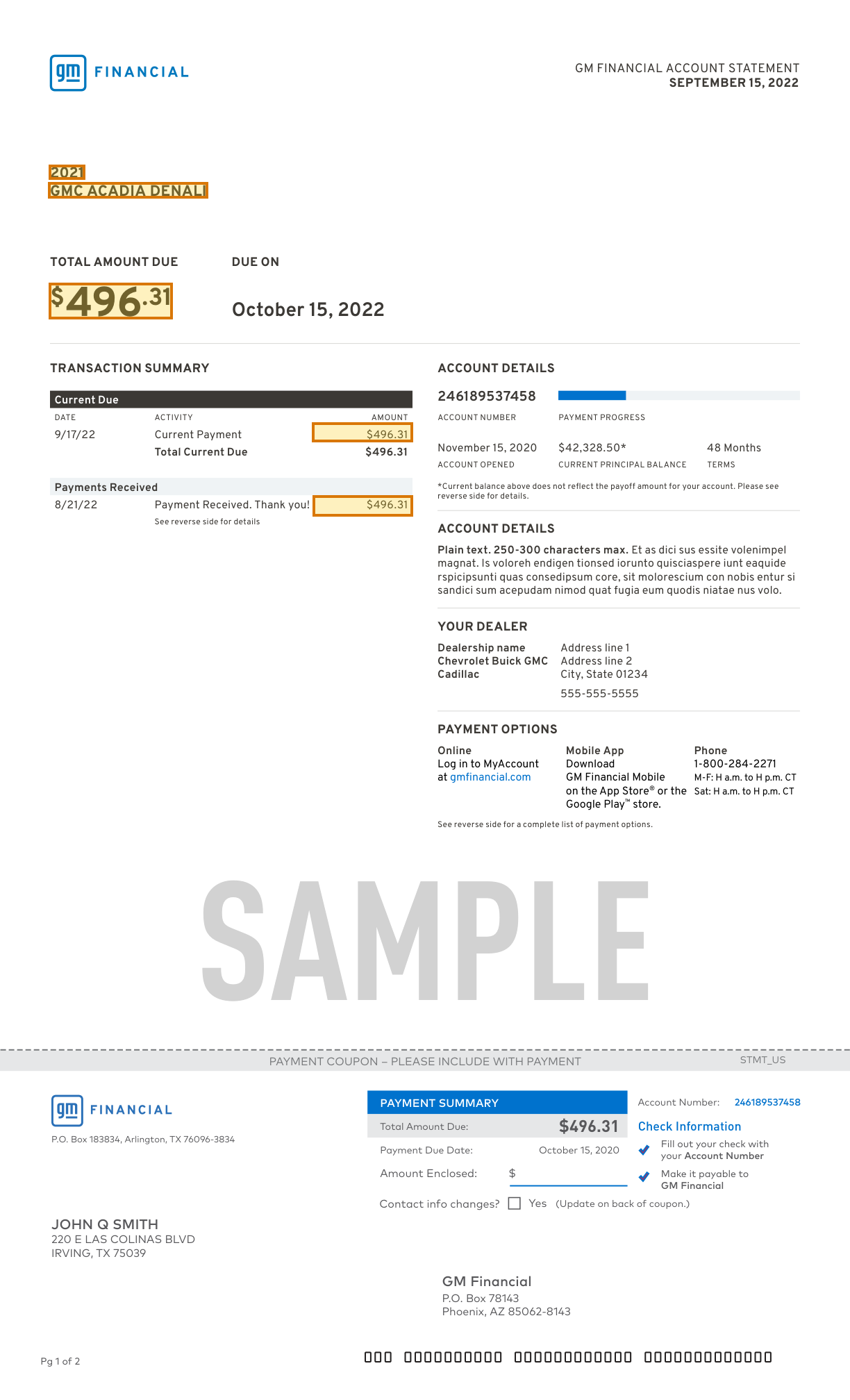
Auto Loan Statement
Captive finance companies, banks and credit unions each send a monthly auto loan statement in their own design. Refinance lenders and mortgage underwriters collect the latest one from many applicants, as a PDF downloaded from the lender's site or a photo of the mailed statement. Underwriting needs the lender, the vehicle, the monthly payment, the principal balance and the next due date. The loan origination system counts the payment in the debt-to-income ratio, and a refinance uses the balance to size the payoff.
23-field schema · grounded sample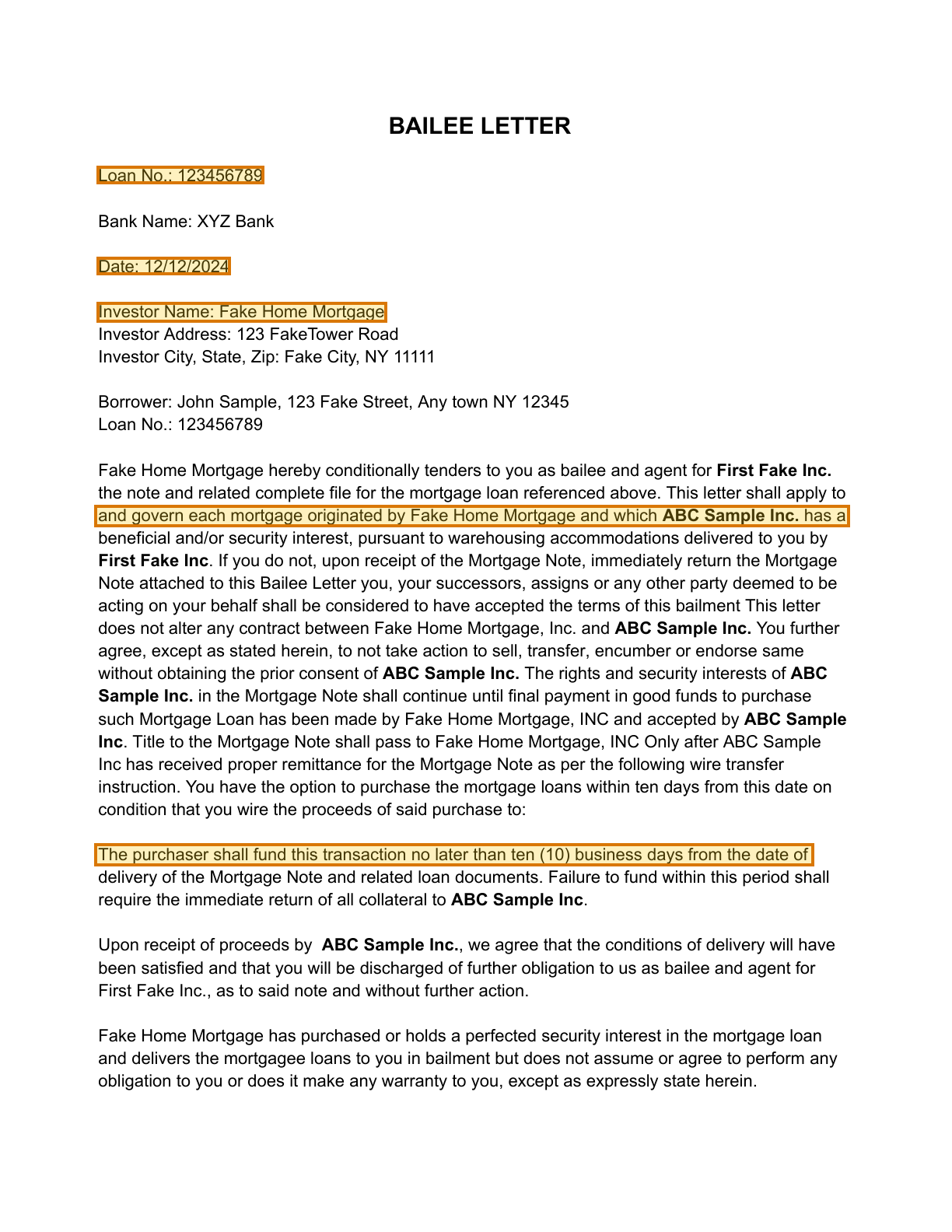
Bailee Letter
A warehouse lender sends a bailee letter with every mortgage note it ships to an investor. Each warehouse bank writes its own form. The investor's document custodian receives one with each loan it buys, as paper in the note shipment and as copies by fax or email. An investor needs the loan number, the warehouse lender, the purchase price and the funding deadline. A collateral tracking system matches the letter to the note on file, and the funding desk wires the price to the warehouse lender before the window closes.
23-field schema · grounded sample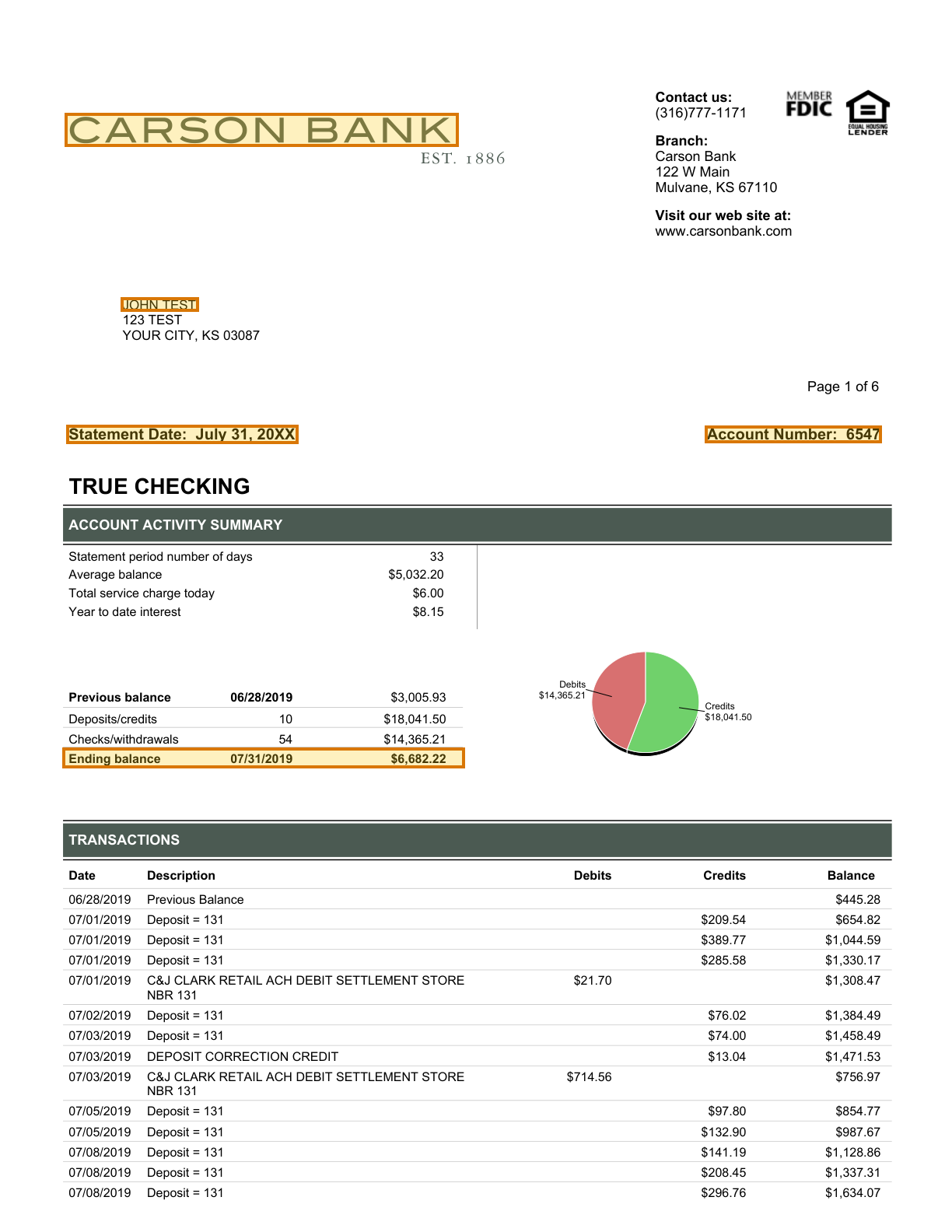
Bank Statement
Every bank designs its own statement, and a US applicant might hold accounts at any of several thousand institutions. A mortgage underwriter reads two or three months of them per application to verify funds. A busy lender sees thousands a month, arriving as portal downloads and phone photographs. An underwriter needs the account holder, the account number, the statement date and the ending balance. A loan origination system matches those against the application and tests whether the balance covers the down payment and reserves.
33-field schema · grounded sample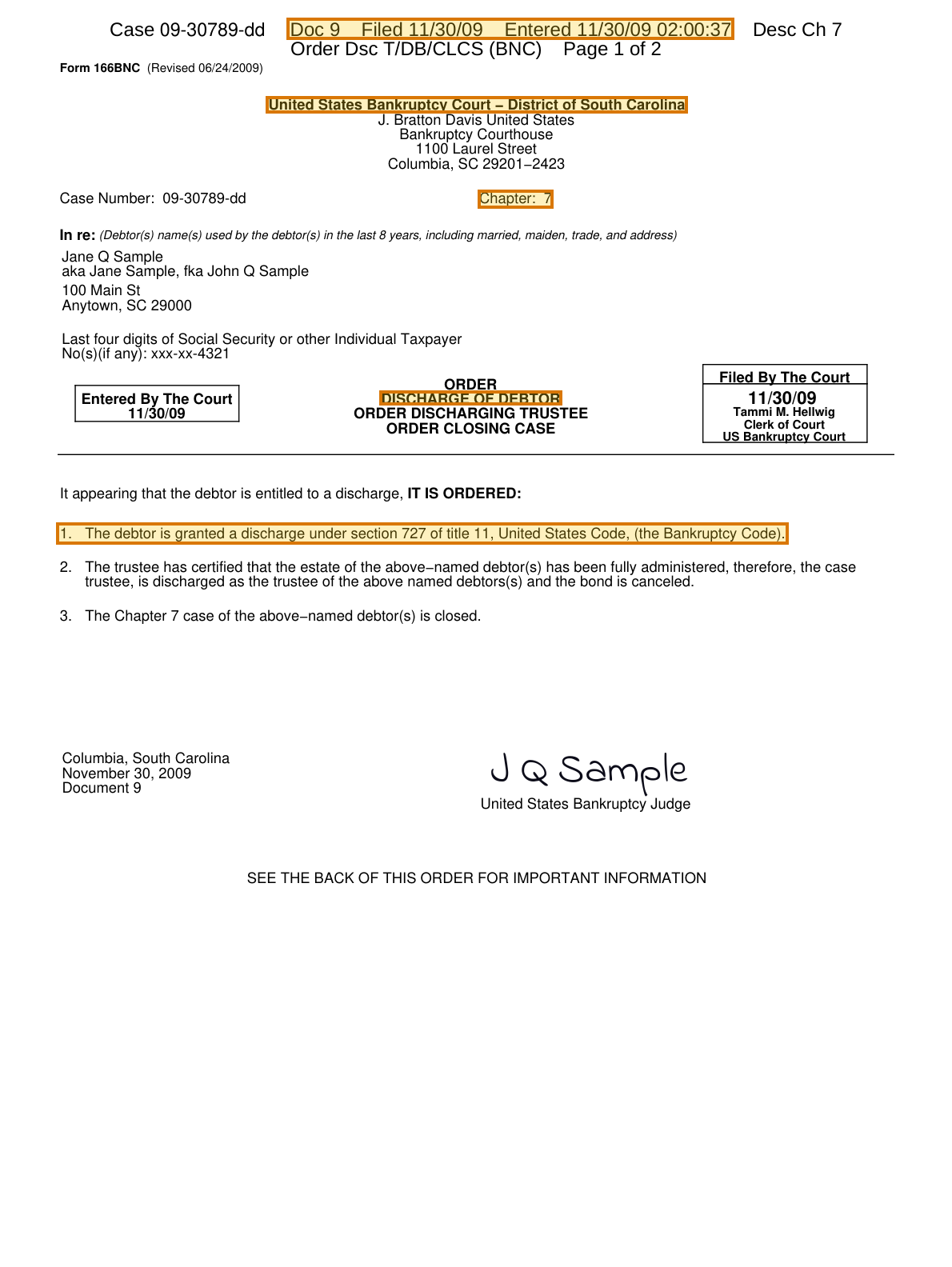
Bankruptcy Discharge
US bankruptcy courts issue a discharge order near the end of a case, generated by each district's electronic filing system, and some districts combine it with other orders. Mortgage lenders request one from every applicant whose credit report shows a bankruptcy, as a PDF from the court docket or the borrower's upload. Underwriting needs the chapter, the case number and the date the discharge was entered. Agency guidelines set a waiting period that runs from that date, and the loan origination system checks it before the application can move to approval.
22-field schema · grounded sample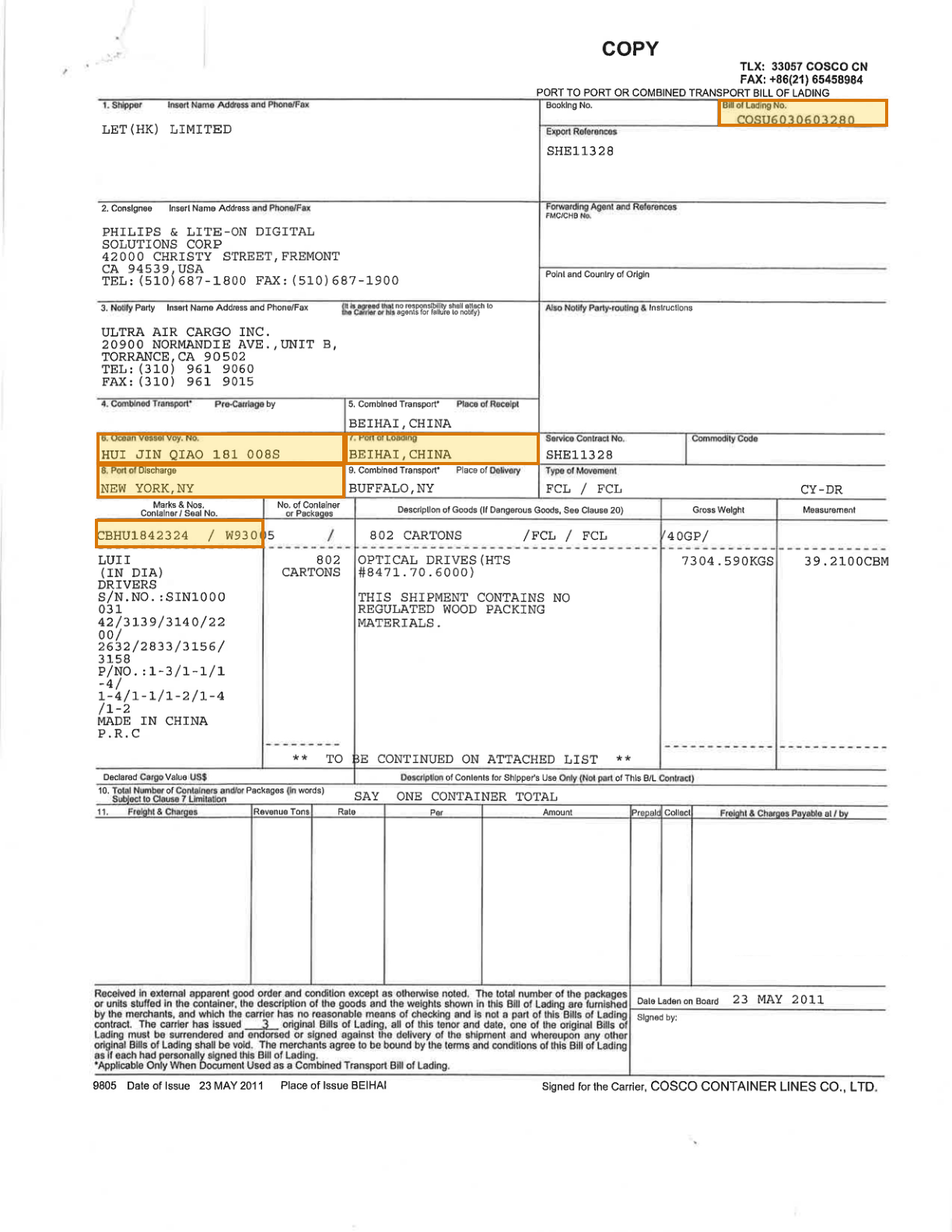
Bill of Lading
Ocean carriers and freight forwarders issue bills of lading on their own forms, each with numbered boxes for parties, vessel, ports and cargo. Importers, customs brokers and forwarders handle them for container shipments, and banks see them in letter of credit transactions. They arrive as scans, emailed PDFs or exports from a carrier's portal. Operations needs the bill of lading number, the vessel and voyage, the ports of loading and discharge, and each container number. Those values feed a transport management system, which matches the shipment to its invoice and tracks the container to delivery.
34-field schema · grounded sample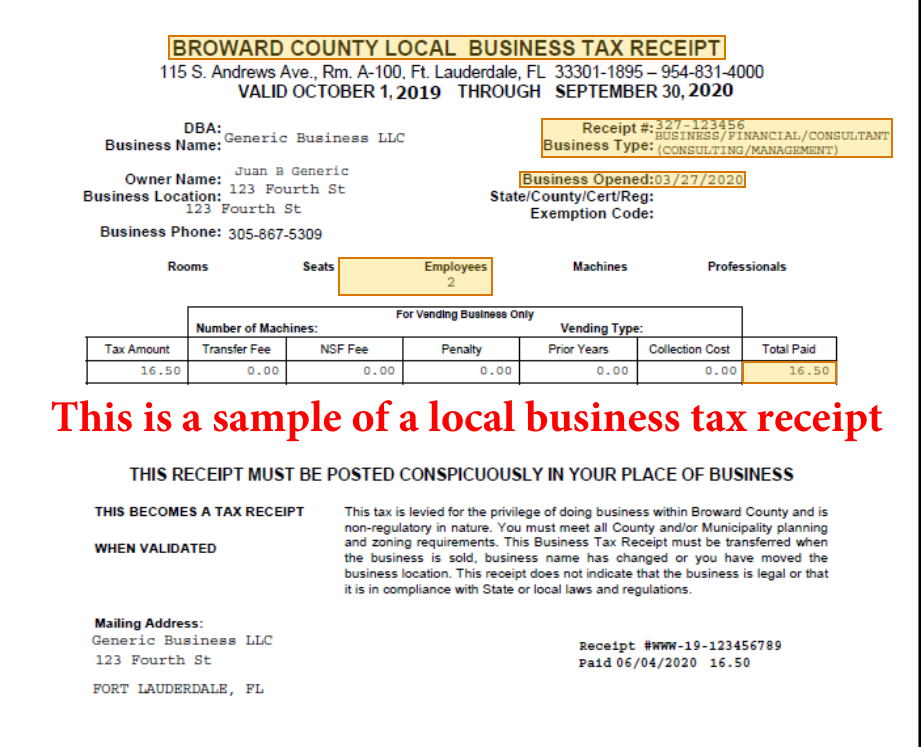
Business License
Cities, counties and states each issue business licenses in their own format, and most renew them every year or two. Banks, lenders and supplier diversity programs collect one from every business they onboard, as a scan or PDF uploaded with the application. Onboarding needs the license number, the issuing jurisdiction, the business name and the validity dates. Business verification records them in the vendor or customer file, and flags the license for renewal before it expires each year.
32-field schema · grounded sample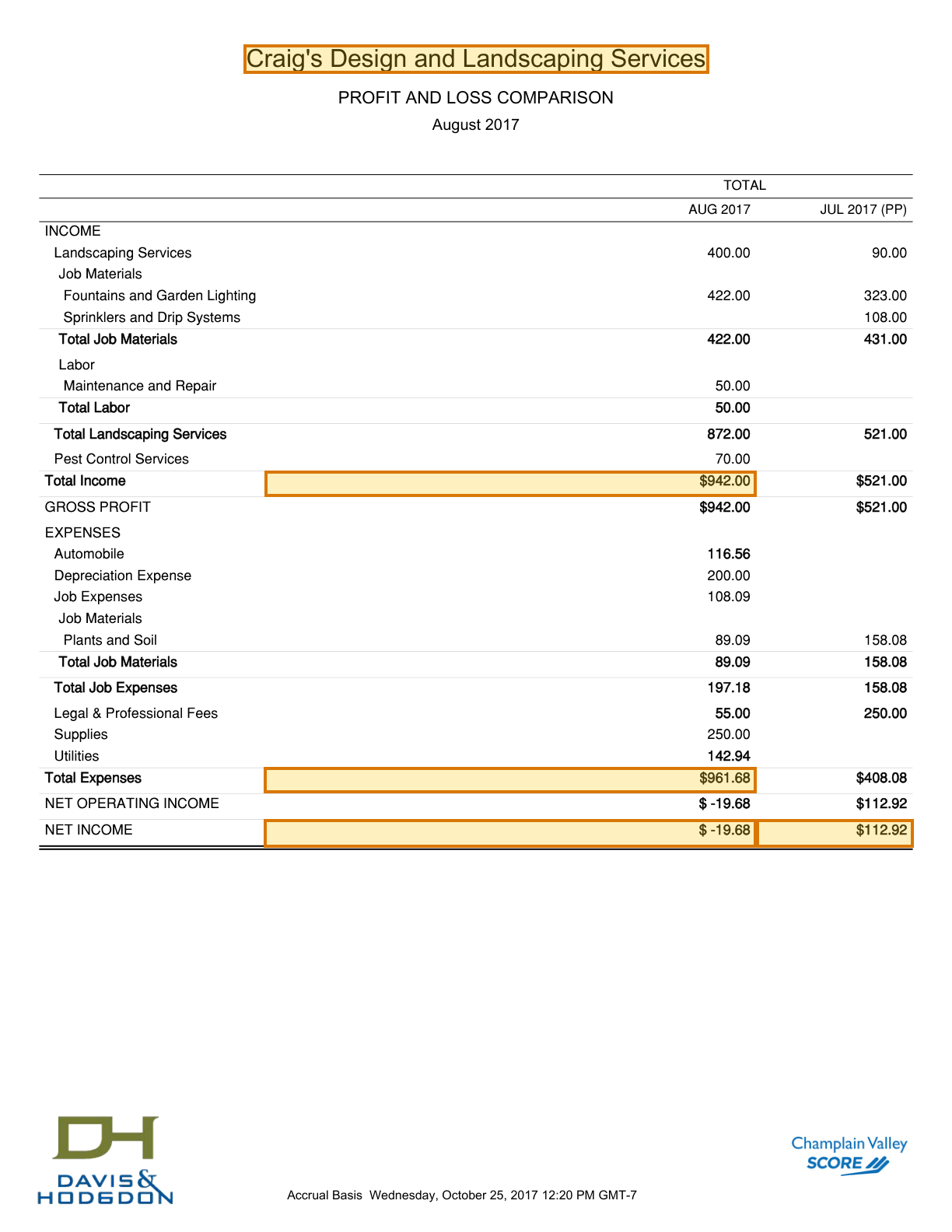
Business Profit and Loss Statement
Small businesses export profit and loss statements from QuickBooks, Xero or an accountant's spreadsheet, each with its own chart of accounts. SBA and commercial lenders collect year-to-date and prior-period statements from every borrower, as PDF exports uploaded to a portal or sent by email. Credit analysts need total income, total expenses and net income for each period. Spreading software maps those into the lender's standard statement, where cash flow and debt service coverage are calculated for the credit memo.
16-field schema · grounded sample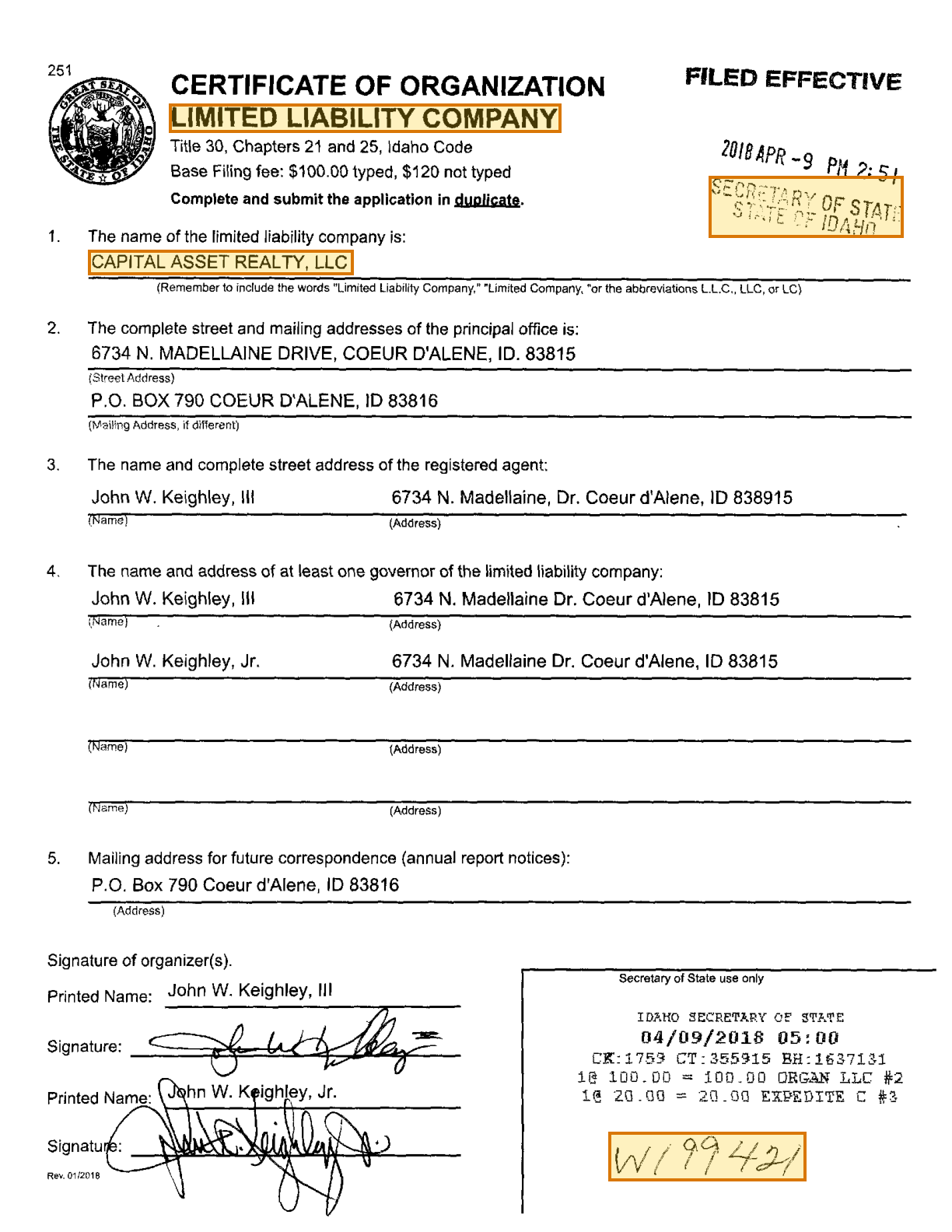
Business Registration
Each US state's Secretary of State registers businesses on its own forms, from articles of incorporation to certificates of organization for LLCs. Banks, lenders and payment providers often request one when onboarding a business customer, as a PDF from the state's online register or a scan of the filed copy. Business verification needs the legal name, the entity type, the state of formation, the filing number and the filing date. A know-your-business review can check them against the state register before an account opens or a loan is approved.
36-field schema · grounded sample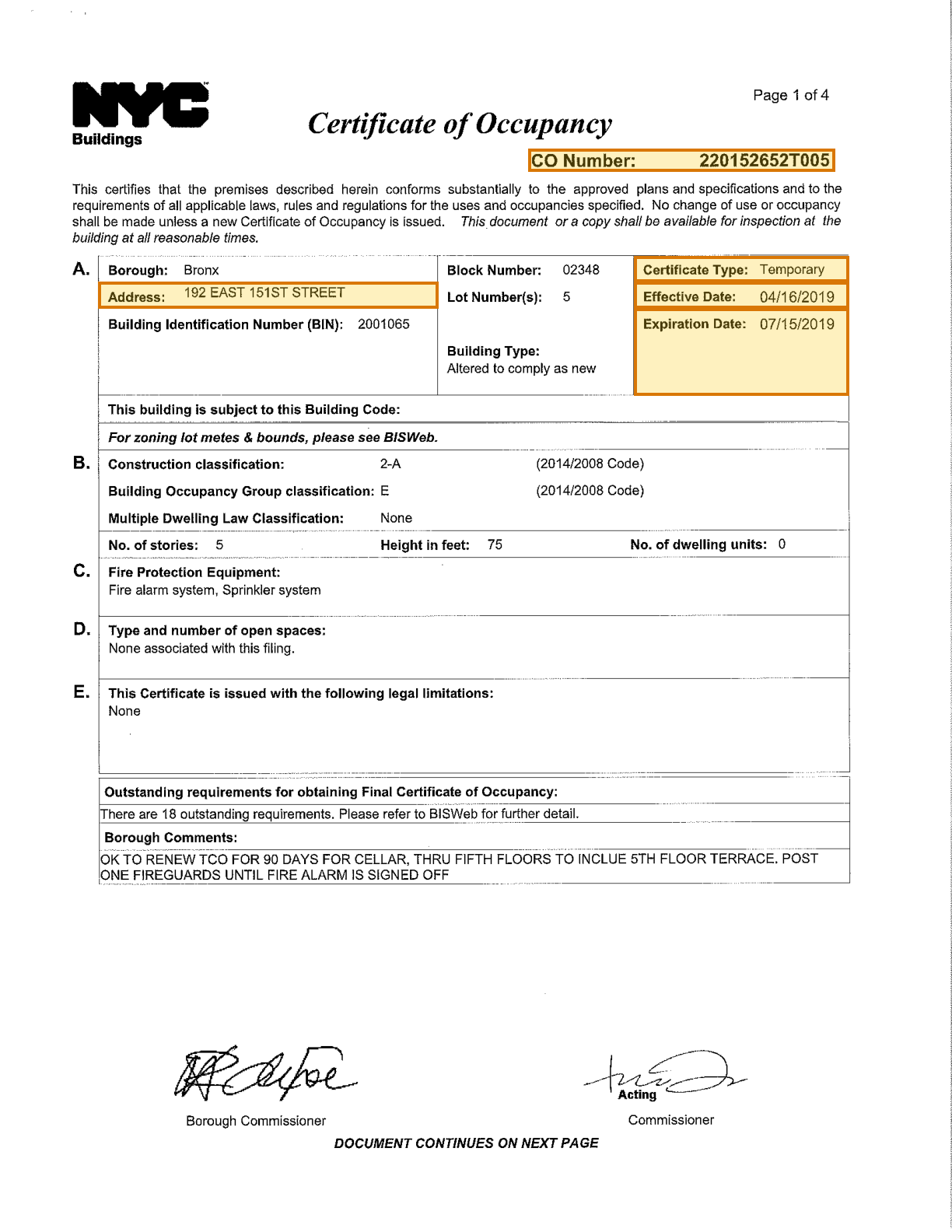
Certificate of Occupancy
A city issues a certificate of occupancy when a building may lawfully be used, and every buildings department prints its own form. A lender will not close on new construction without one, and a landlord files it for each tenancy. Title companies read thousands a year, arriving as scans from municipal records. A closer needs the address, the certificate number, whether it is temporary or final and the dates it runs between. A title system files it against the property record, and a temporary certificate goes on a diary to be chased before it expires.
27-field schema · grounded sample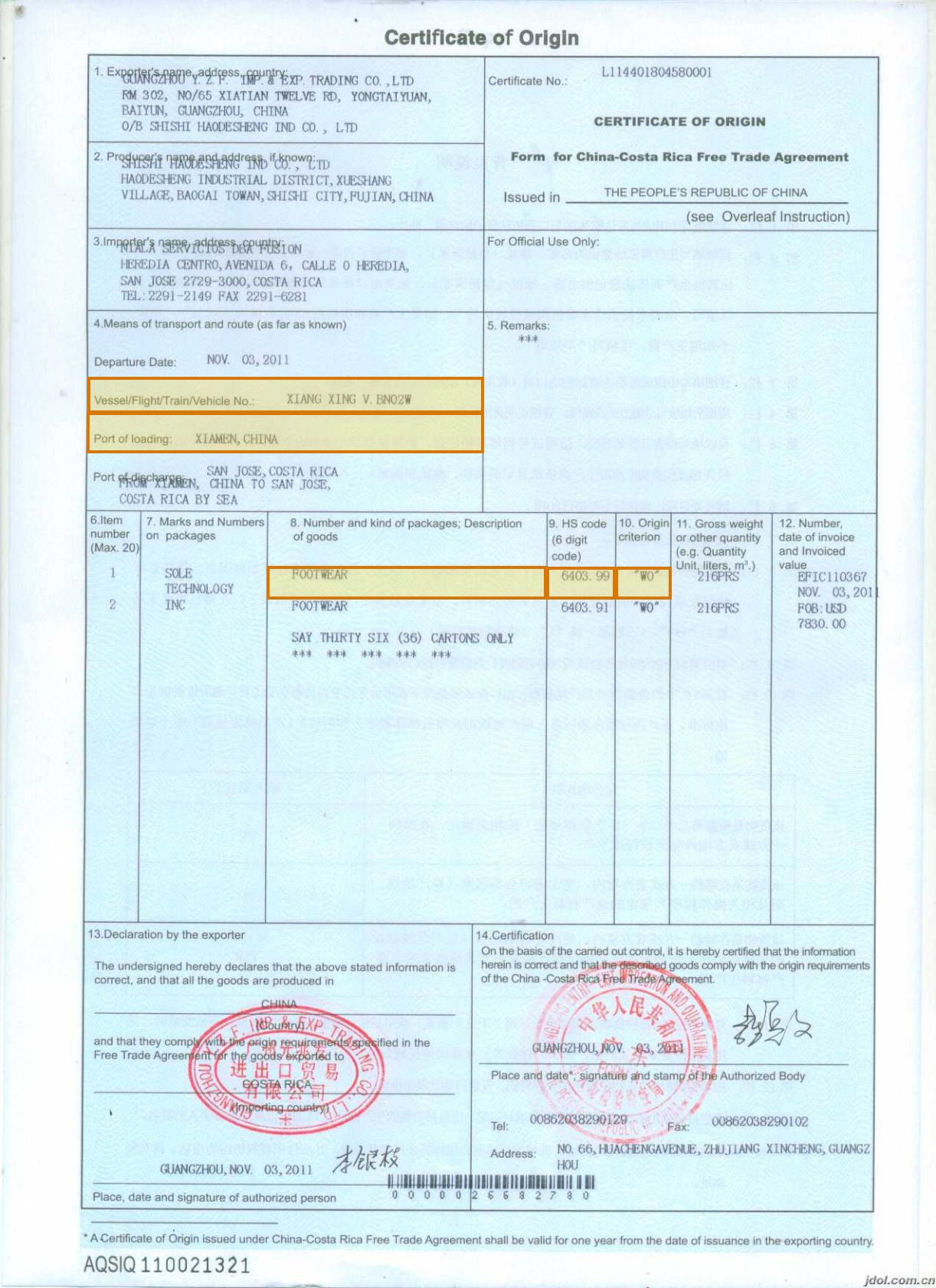
Certificate of Origin
Chambers of commerce and government agencies issue certificates of origin, and some trade agreements let exporters certify origin themselves. Customs brokers and importers receive proof of origin with shipments that claim a preferential tariff rate, as a scan, a PDF from the exporter or an electronic certificate. Customs entry needs the exporter, the importer, each item's HS code and origin criterion, and the invoice it covers. The broker claims the agreement's tariff rate in the customs entry, and the certificate supports that claim in an audit.
42-field schema · grounded sample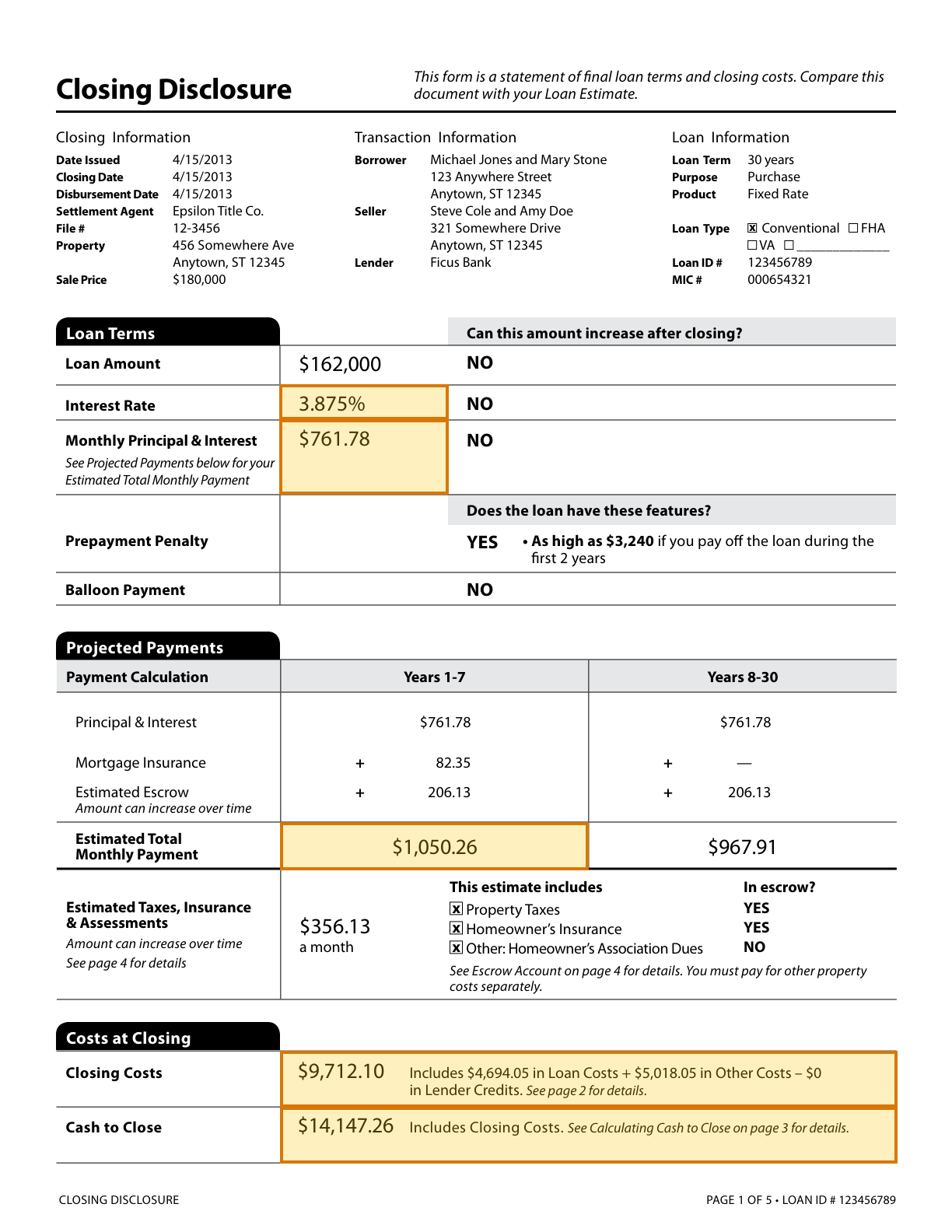
Closing Disclosure
A lender issues a Closing Disclosure for every consumer mortgage, on the five-page TRID form set by Regulation Z, with its own fees in each section. Post-closing quality control, loan buyers and servicers each review one per loan, as a PDF from the closing package or an e-disclosure portal. Review needs the loan amount, the interest rate, the monthly payment, the closing costs and the cash to close. A TRID compliance check compares those with the Loan Estimate, and servicing boards the payment and escrow figures.
59-field schema · grounded sample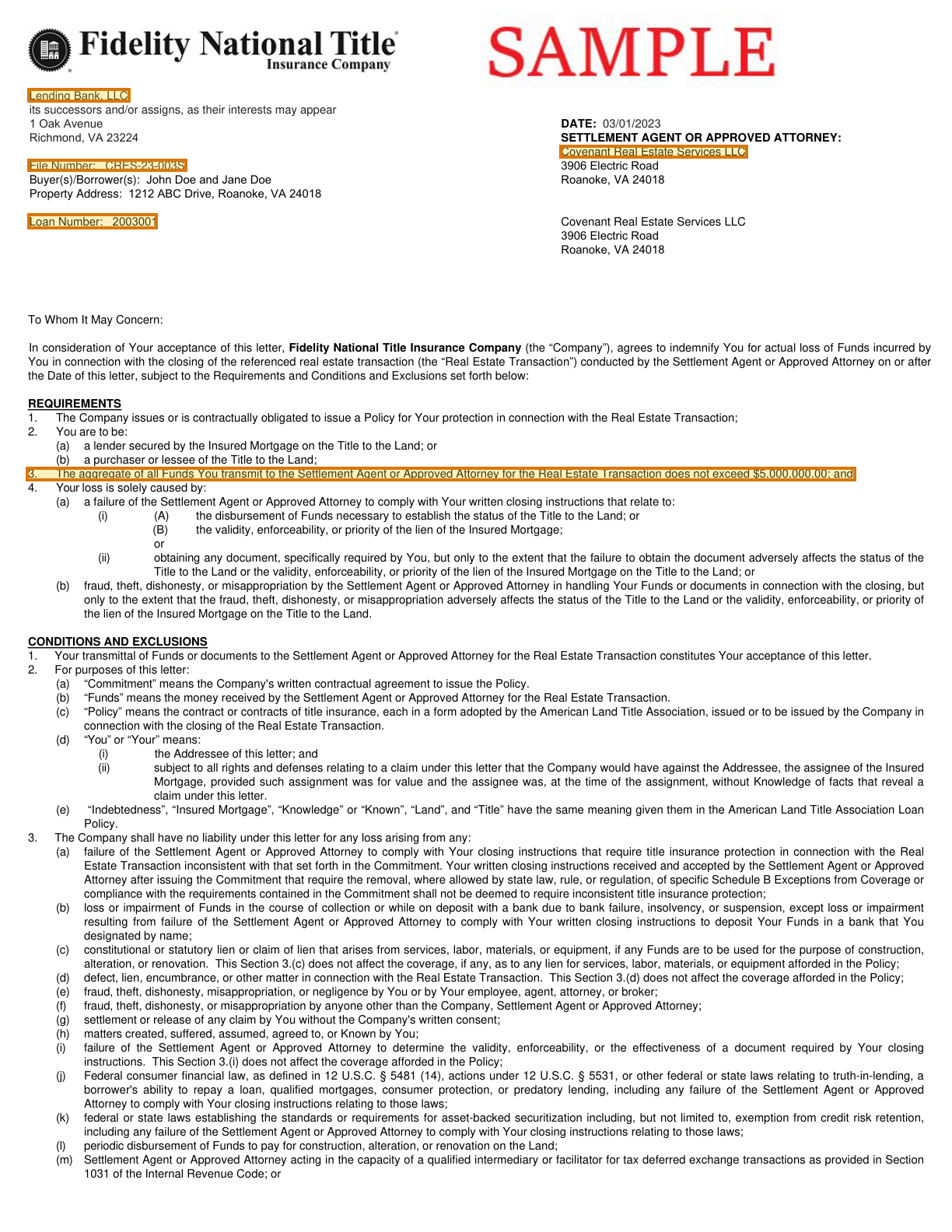
Closing Protection Letter
A title insurer issues a closing protection letter to the lender on a real estate closing, on its own version of the ALTA form. A lender's closing department receives one for every loan it closes, usually as a PDF emailed by the settlement agent or issued through the underwriter's portal. The closing team needs the lender named, the settlement agent, the file and loan numbers and the coverage limit. Funding checks those against the loan file in the loan origination system, and releases funds once the letter matches.
22-field schema · grounded sample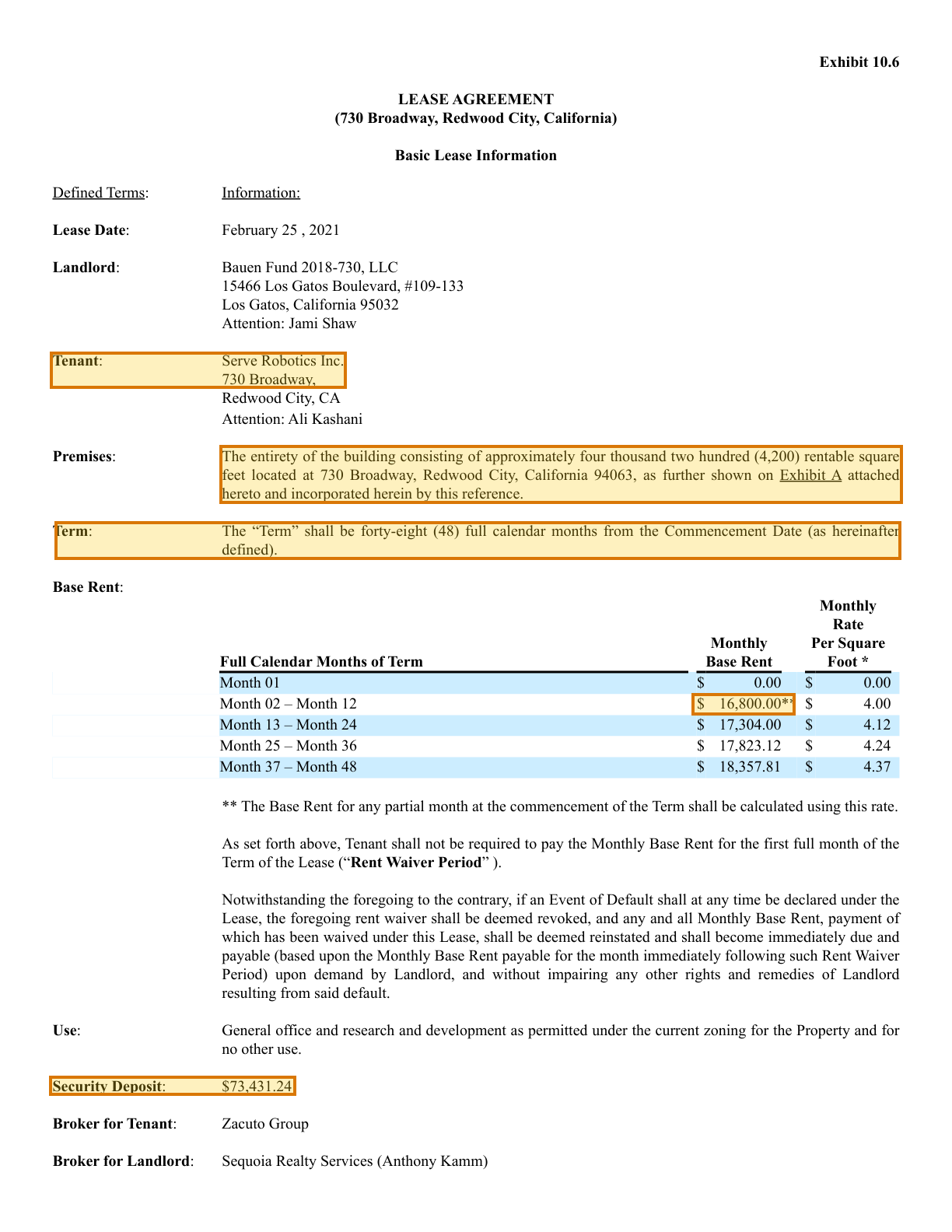
Commercial Lease
Landlords and their counsel draft each commercial lease, usually opening with a summary of basic lease terms ahead of dozens of pages of provisions. Lease administrators, lenders and acquisition teams abstract every lease in a building, from PDFs in a data room or signed copies from the landlord. Abstraction needs the parties, the premises and rentable area, the term, the base rent schedule and the security deposit. Lease accounting software builds the payment schedule from those, and a lender's model projects the building's rental income.
23-field schema · grounded sample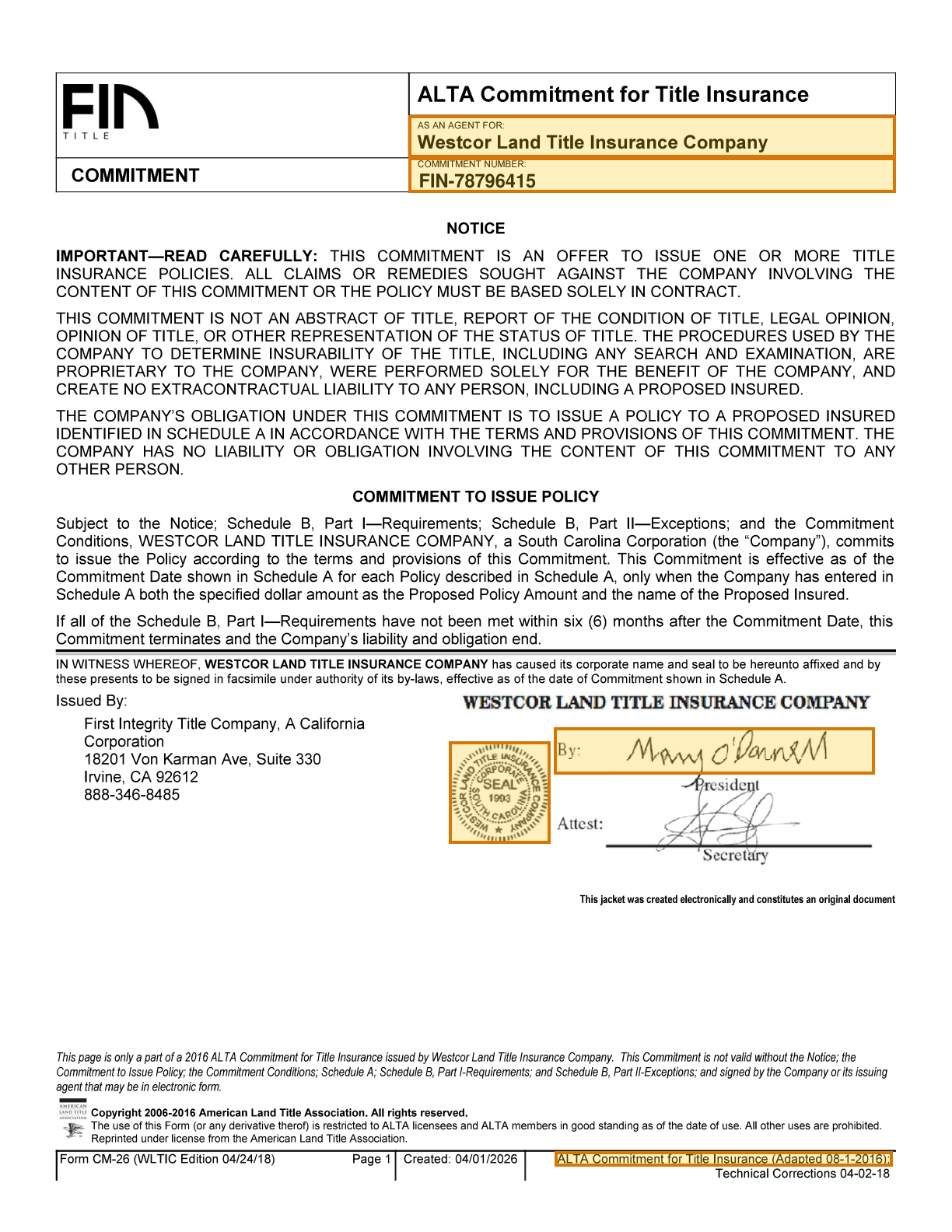
Commitment for Title Insurance
A title agent issues a commitment ahead of every real estate closing, on its underwriter's version of the ALTA form. The lender's title review team and the escrow officer each work from one per transaction. It arrives as a PDF from the title agent, by email or through a closing portal. Title review needs the proposed insured, the policy amount, the vested owner, and every Schedule B requirement and exception. Those feed the lender's closing checklist, where requirements are cleared and unacceptable exceptions go back to the agent for removal.
49-field schema · grounded sample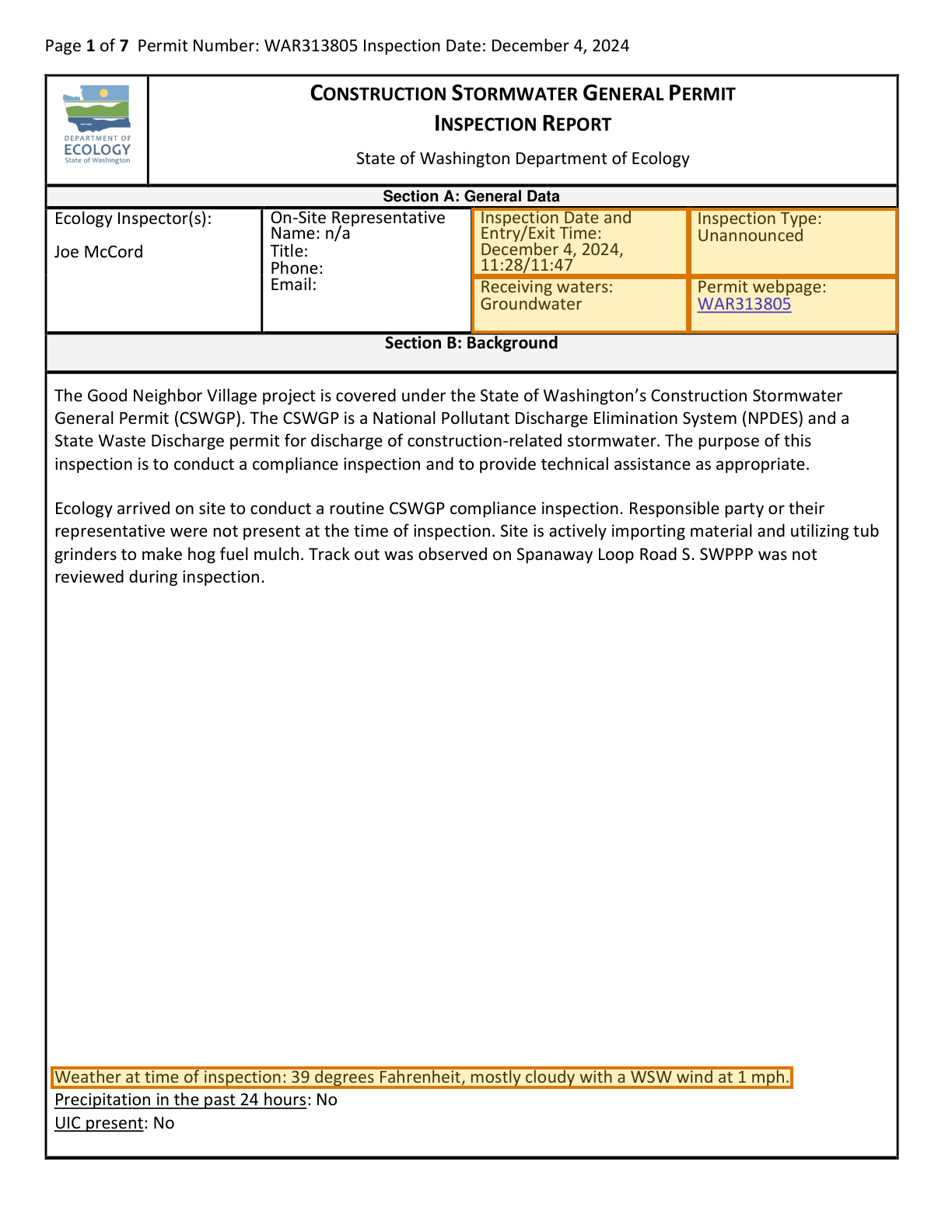
Compliance Inspection Report
A regulator inspects a permitted site and writes up what it found, on a form that differs by agency. The permit holder has to answer each finding by its deadline, and a lender reads the same report as diligence. Environmental teams track thousands a year, arriving as downloads from public databases. A compliance manager needs the permit number, the inspection date, each violation with the condition it cites and the date the fix is due. A compliance system opens an action per finding and escalates the ones that run past their deadline.
26-field schema · grounded sample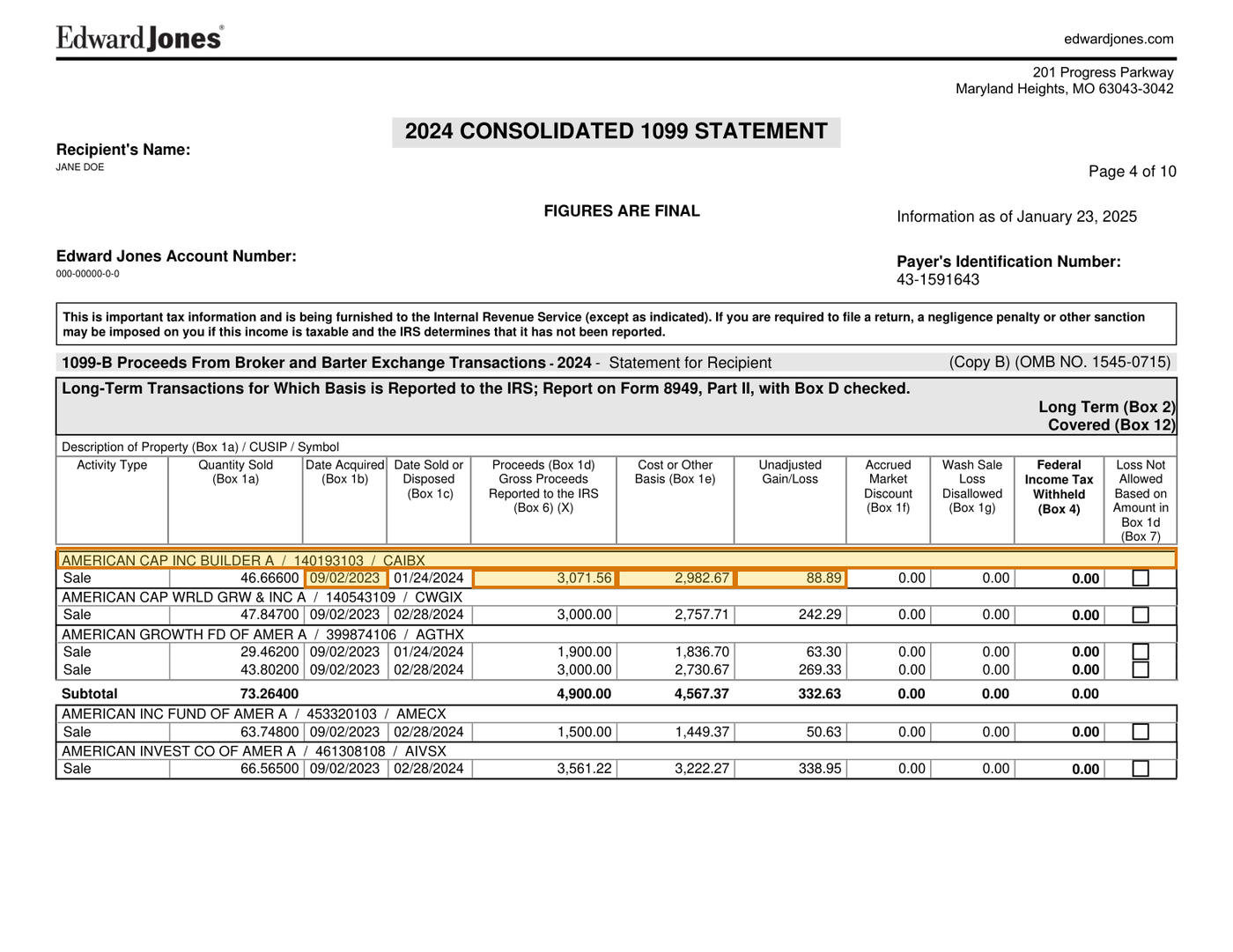
Consolidated 1099
A brokerage sends one consolidated 1099 to every client with an active account, bundling five IRS forms into a single statement. Fidelity, Schwab, Vanguard and Edward Jones each lay theirs out differently. A tax preparer works through hundreds in a six-week season, arriving as portal downloads and posted paper. A preparer needs every 1099-B transaction: the security, the acquisition and sale dates, the proceeds, the cost basis and the resulting gain. Tax software totals those into Schedule D, and reconciles them against the statement's own summary boxes.
66-field schema · grounded sample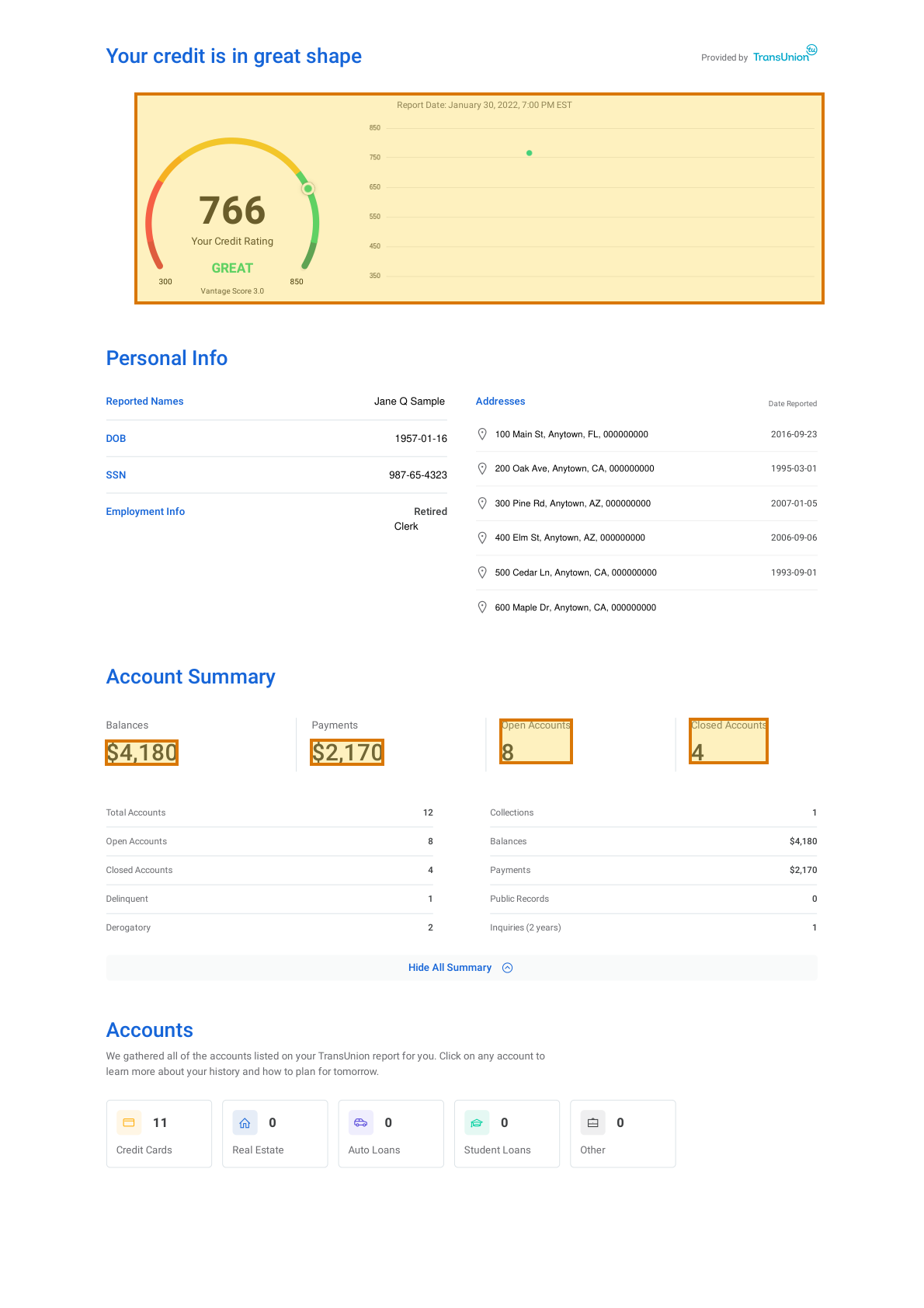
Credit Report
Three bureaus supply the data behind US consumer credit reports, and every lender, broker and consumer service renders it into its own layout. A mortgage or auto lender pulls one for every application. A large originator sees thousands a month, arriving as web pages printed to PDF. An underwriter needs the score, the open balances, the monthly payments and the count of accounts in good standing. An automated underwriting system folds those into a debt-to-income ratio and a decision the lender must be able to explain afterwards.
46-field schema · grounded sample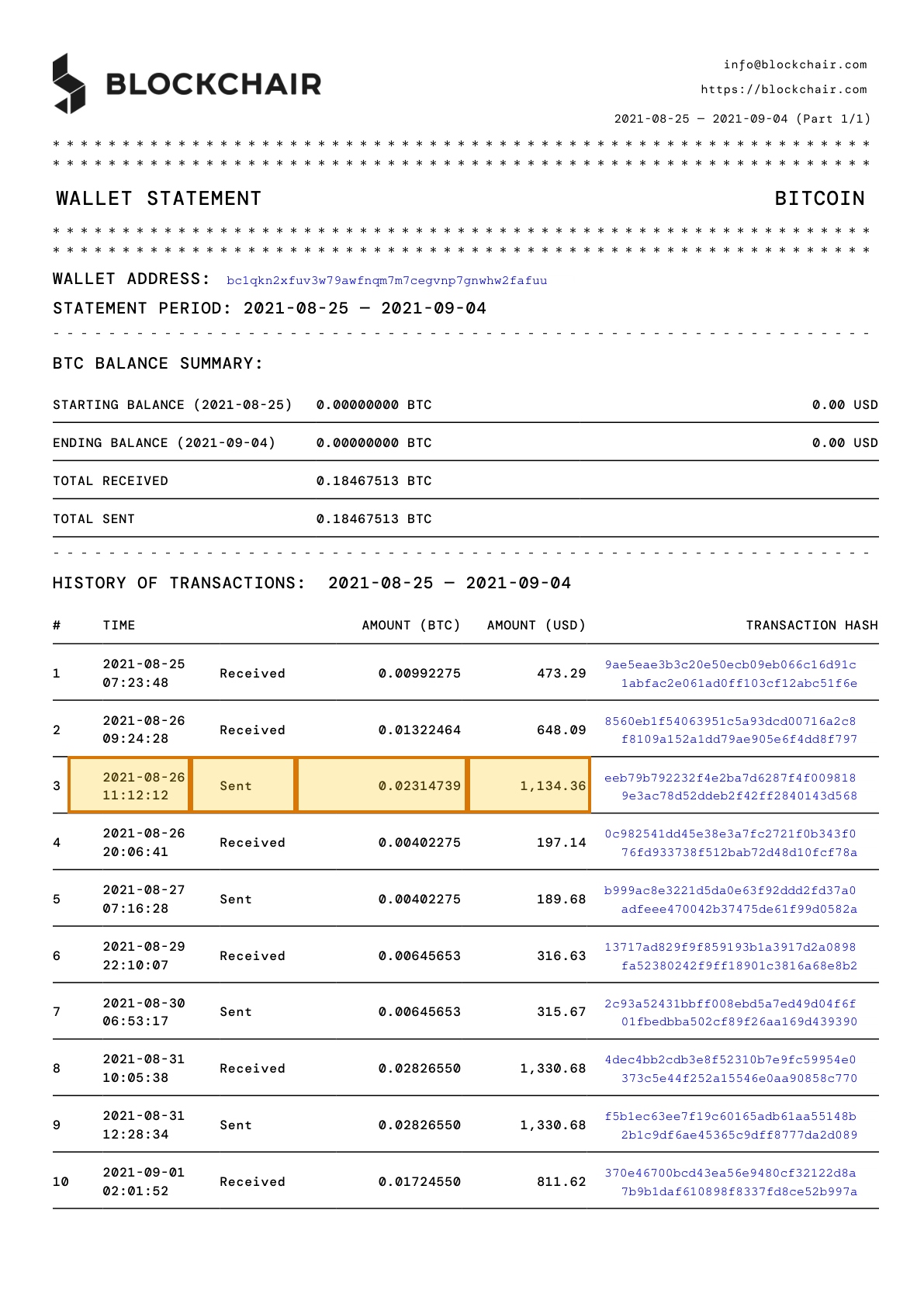
Cryptocurrency Account Statement
Exchanges, custodians and block explorers each produce cryptocurrency account statements in their own layout, listing an account's transactions for a period. Mortgage lenders collect them from every applicant whose down payment comes from selling crypto, as PDFs exported from the platform and uploaded to the loan portal. Underwriting needs the balances, the totals received and sent, and each transaction's date, direction and USD value. The lender traces the funds from the account to a deposit in the borrower's bank account before they count toward closing.
20-field schema · grounded sample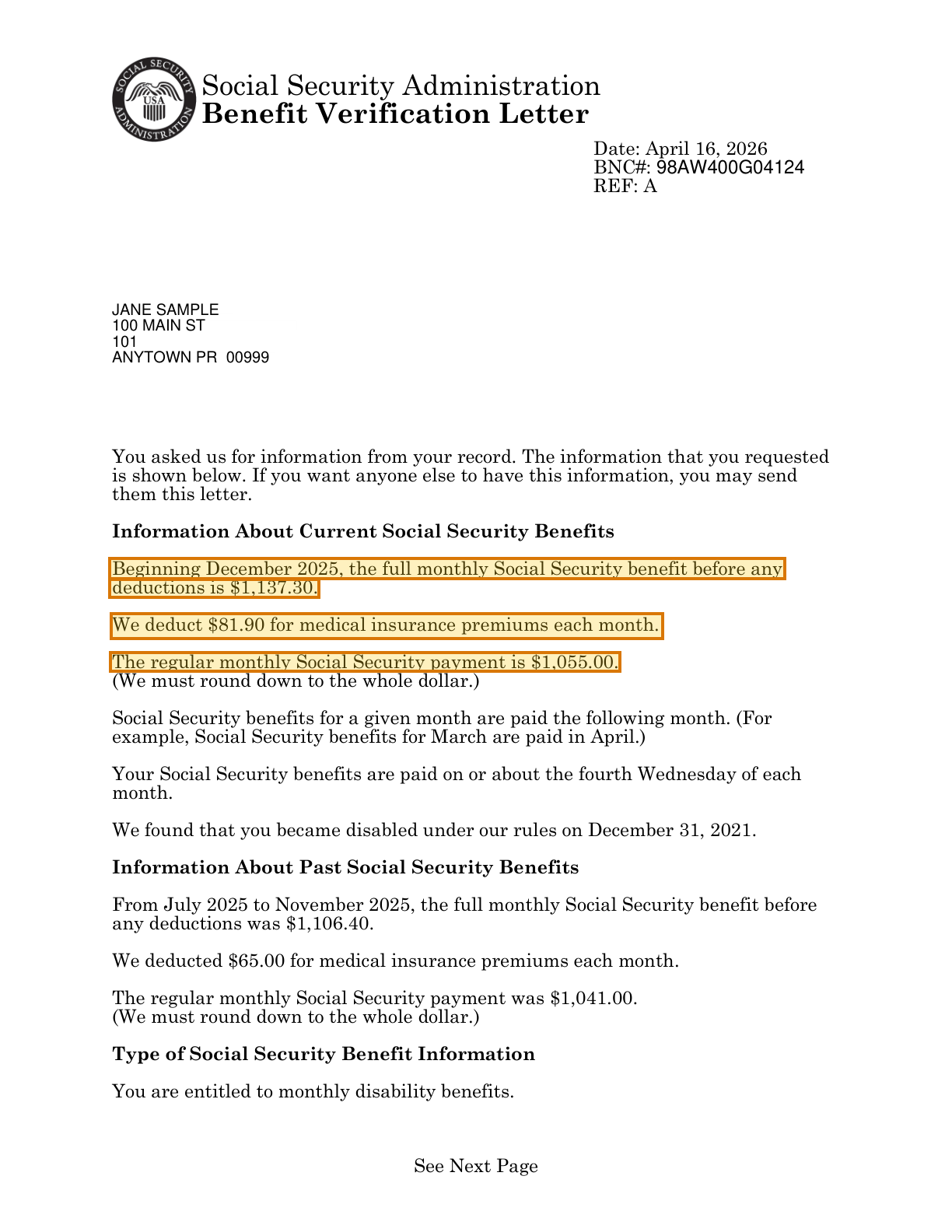
Disability Benefit Letter
Disability benefit letters come from the Social Security Administration, the VA and private disability insurers, each in its own wording. Mortgage lenders and landlords collect one from every applicant who counts disability income, as a PDF downloaded from the payer's website or a scanned copy. Underwriting needs the gross monthly benefit, any deductions, the net payment and the month the amounts took effect. The lender's income worksheet carries the gross benefit into the debt-to-income ratio, grossed up where the income is nontaxable.
25-field schema · grounded sample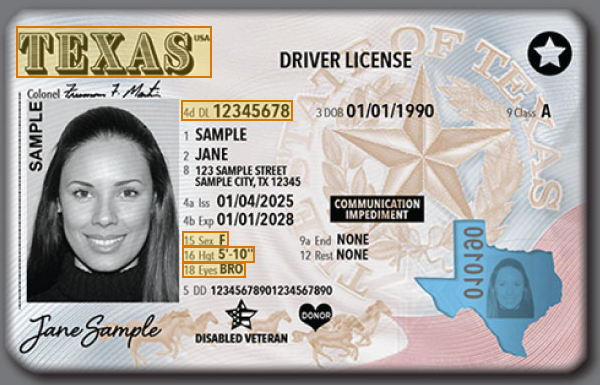
Driver's License
Every US state and territory designs its own license card, and redesigns it every few years, so dozens of layouts circulate at once. A bank opening an account and a hospital registering a patient both take one as proof of identity. Onboarding teams verify thousands a month, arriving as phone photographs through a mobile app. A verifier needs the license number, the issuing state, the expiry date and the date of birth. A KYC platform matches those against the application, screens the holder against watchlists, then scores the applicant for identity risk before an account opens.
15-field schema · grounded sample
Employment Offer Letter
Every hire starts with an offer letter, and no two employers write one the same way. What counts as compensation differs by country: an Indian letter breaks out HRA and provident fund, a US one states base and bonus. Onboarding and background-check teams handle thousands, as emailed PDFs and scans of the signed copy. Onboarding needs the designation, the start date, the place of posting and the compensation. An HR information system opens the employee record from those, payroll seeds the salary structure, and an immigration filing quotes the title and the figure.
19-field schema · grounded sample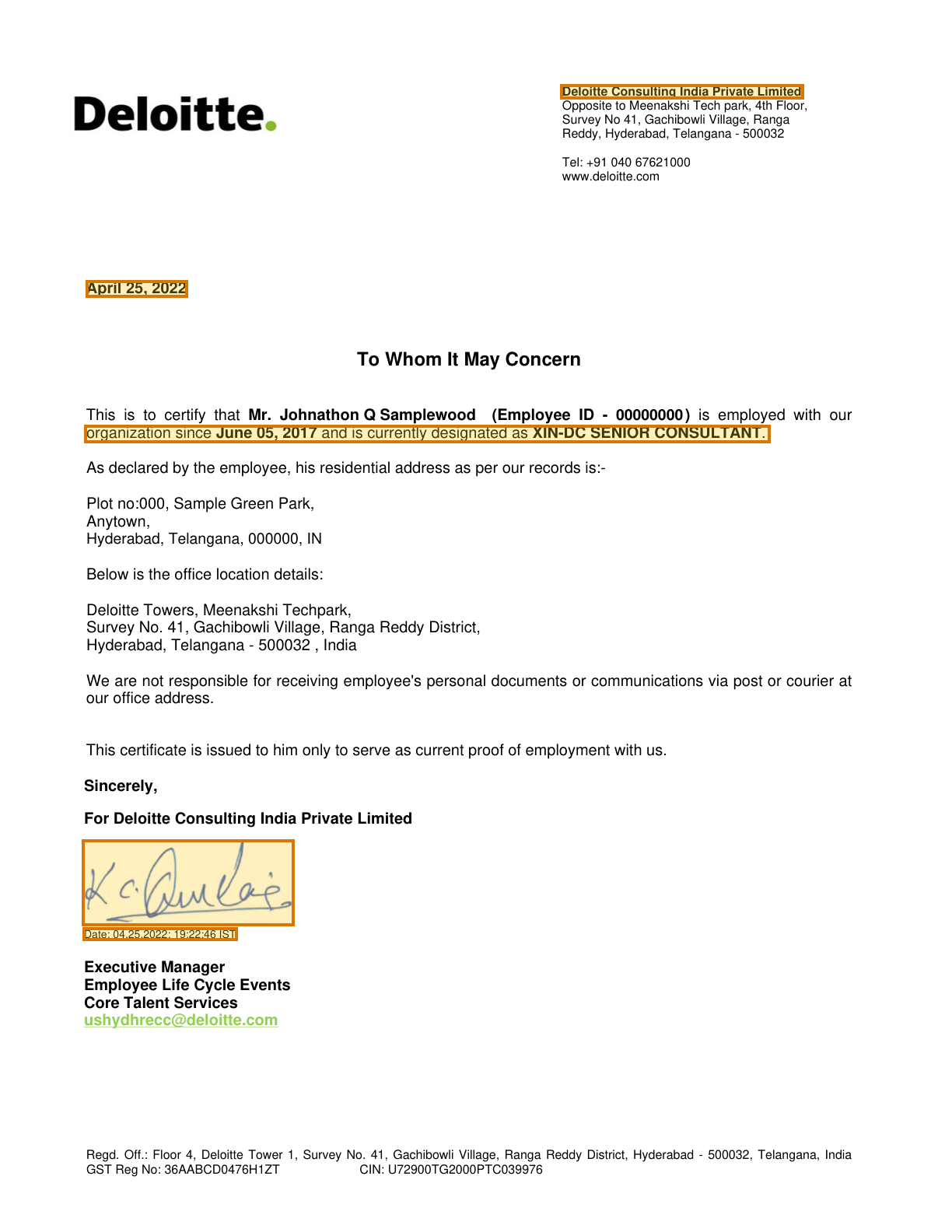
Employment Verification Letter
An employer writes a verification letter whenever someone asks it to confirm that a person works there. The format is entirely the employer's own, drafted by each HR team on company letterhead. Lenders, landlords and visa officers collect them by the thousand, as emailed PDFs and scans of the signed page. A verifier needs the employer, the employee's start date and title, and the signature that attests to them. A background screening system files the result against the applicant, and an underwriter treats the letter as the employment evidence in the file.
16-field schema · grounded sample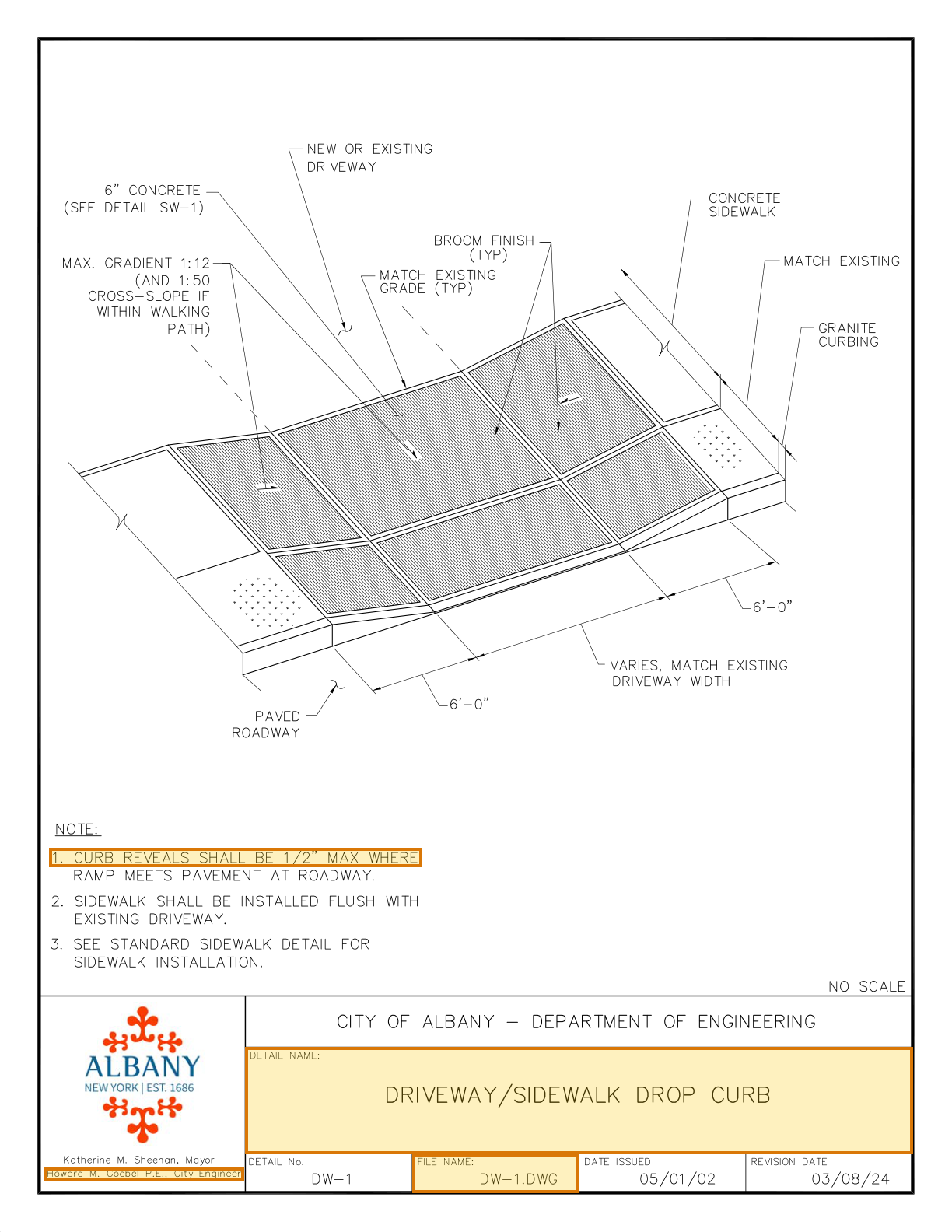
Engineering Drawing
An engineering drawing carries its meaning in geometry, plotted from CAD as general arrangements, shop drawings, standard details and as-builts. Every discipline draws to its own conventions. A contractor's document control team logs thousands per project, arriving as issued PDF sets, emailed revisions and scans of marked-up prints. A reviewer needs the detail name, the dimensions and tolerances, the governing notes and the title block. A document control system indexes drawings on those, and a submittal review checks a contractor's proposal against the standard they came from.
16-field schema · grounded sample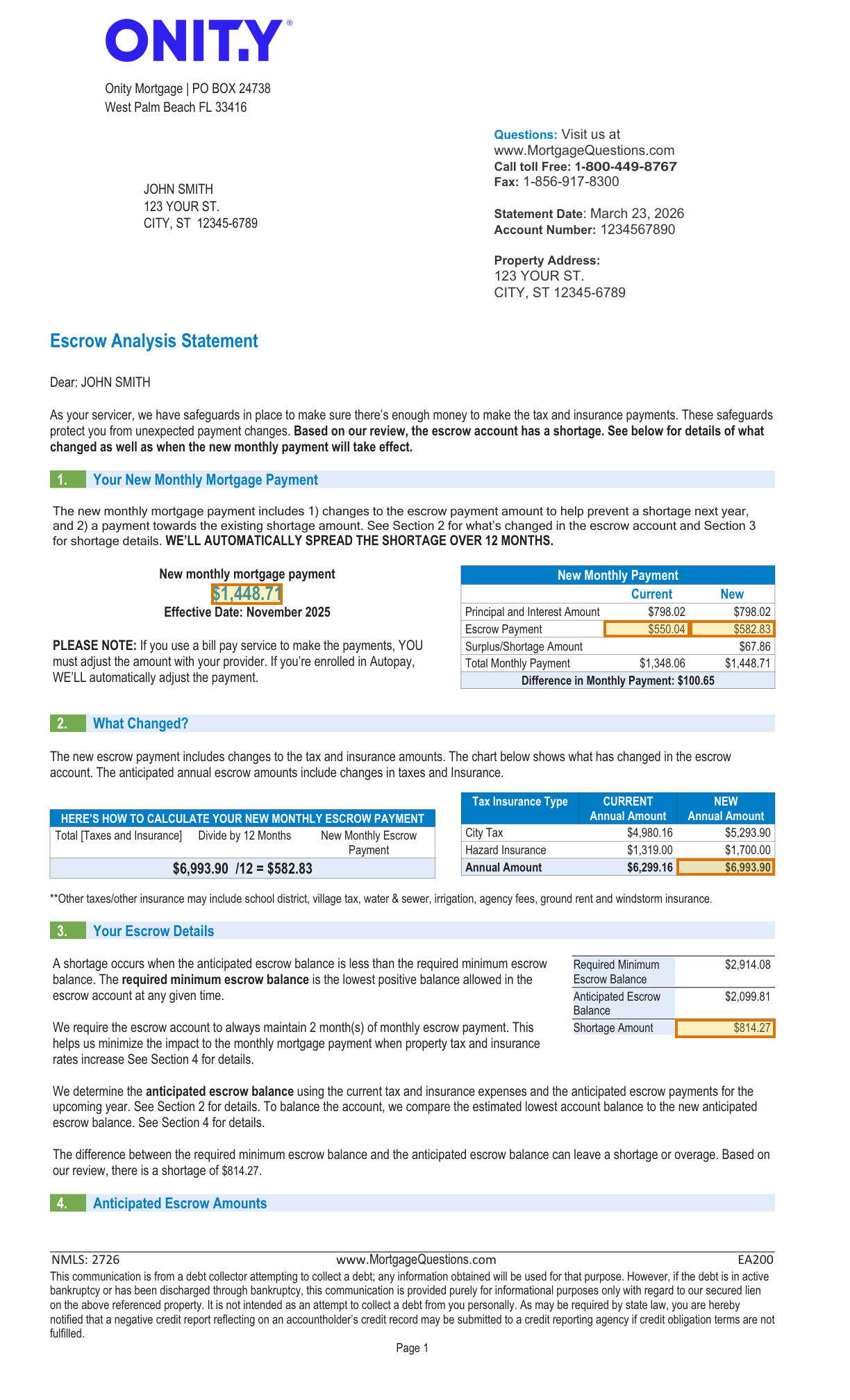
Escrow Analysis Statement
A mortgage servicer sends an escrow analysis statement once a year for every escrowed loan, each on its own layout under Regulation X. Underwriters and servicing transfer teams read them for the true housing payment, as portal downloads or as mailed letters a borrower scans and uploads. Underwriting needs the new monthly payment, the new escrow payment, the shortage and the annual tax and insurance totals. The loan origination system uses them to count the full housing payment in the debt-to-income ratio.
45-field schema · grounded sample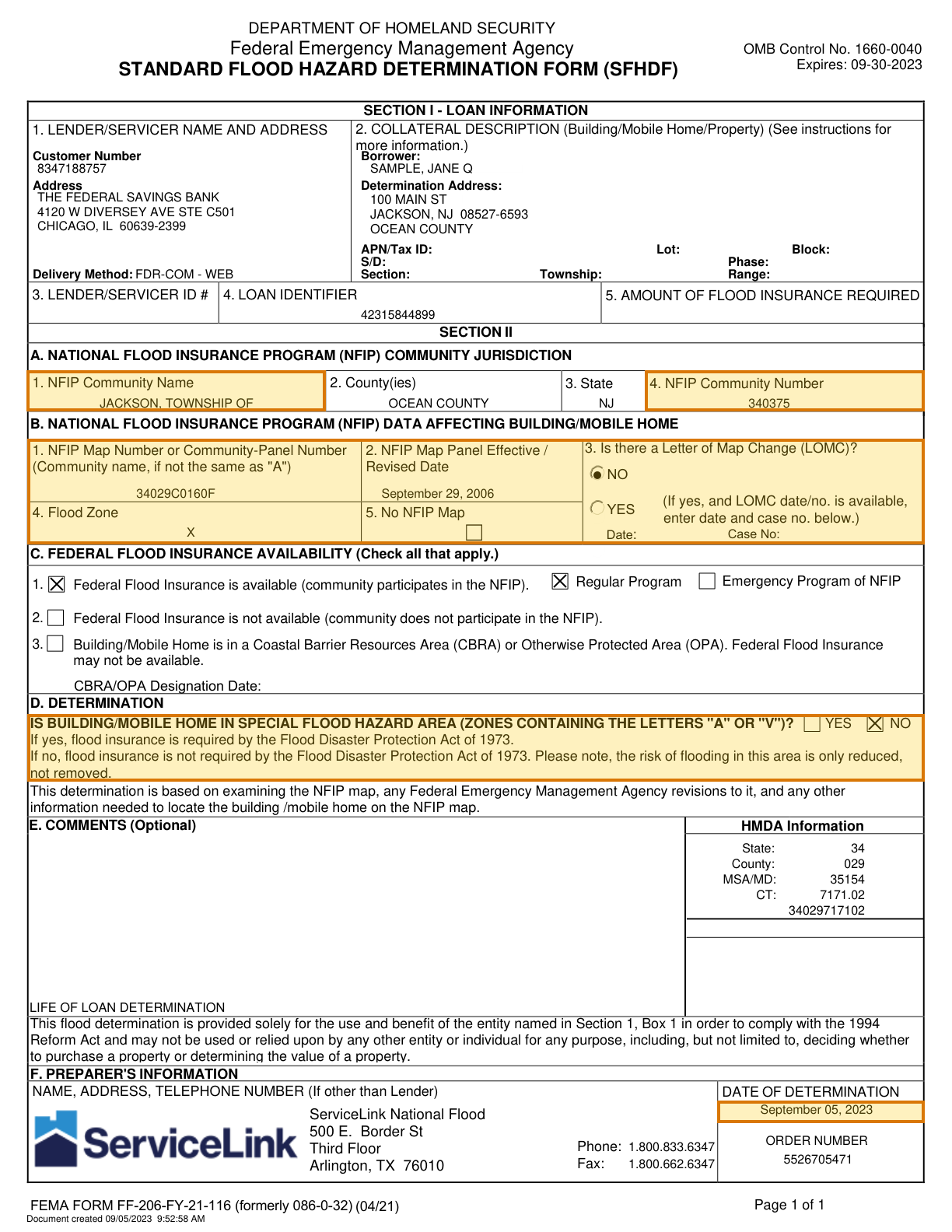
Flood Certification
Flood determination vendors complete FEMA's Standard Flood Hazard Determination Form for every federally backed mortgage, one standard layout filled by each vendor's system. Lenders receive one for every loan in the pipeline, as a PDF delivered to the loan origination system. Closing needs the flood zone, the special flood hazard area answer, the NFIP community and the map panel. A yes on the hazard area question makes flood insurance a condition of the loan, and the lender tracks the coverage for its life.
41-field schema · grounded sample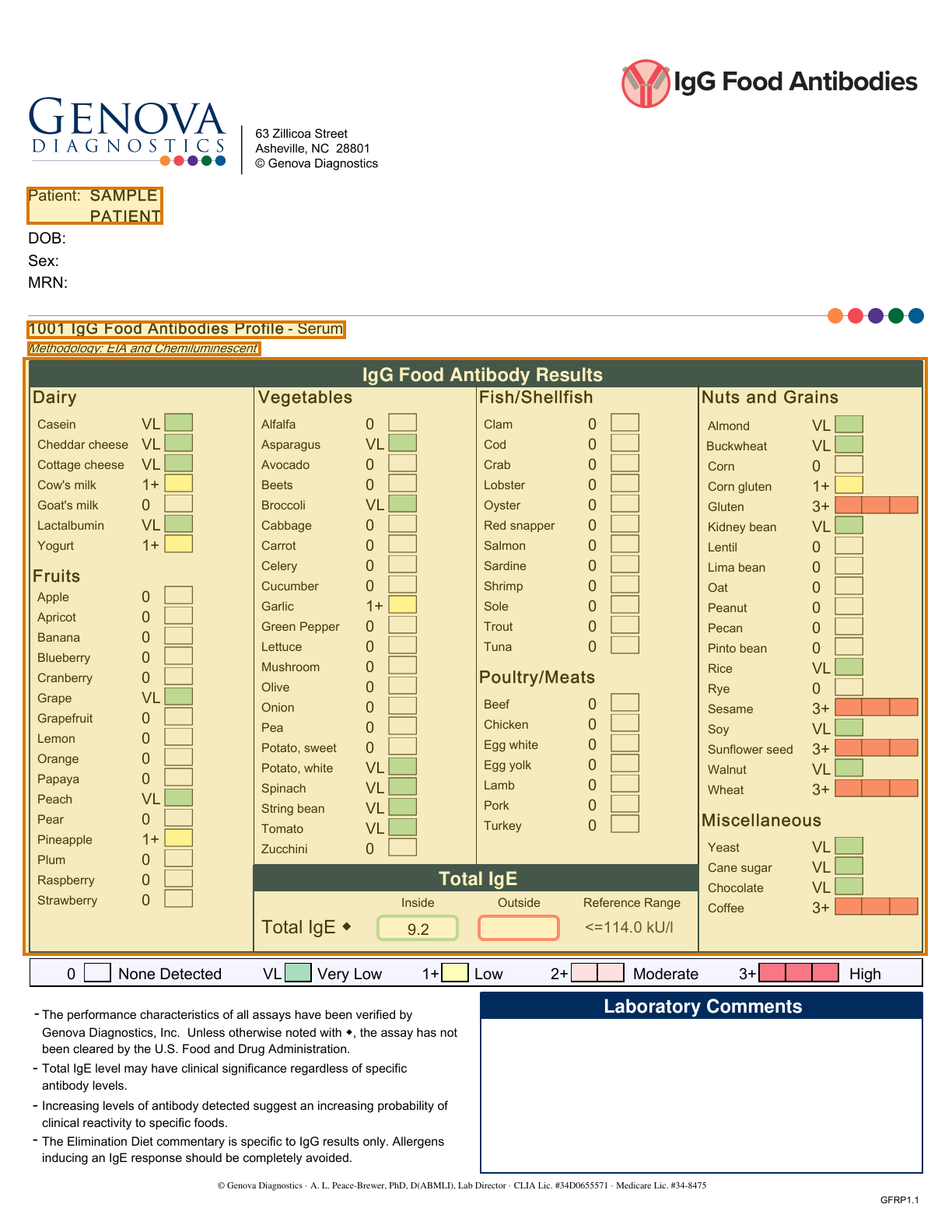
Food Sensitivity Report
A reference laboratory returns one report per panel, scoring a fixed list of foods for IgG antibody response. Every lab picks its own panel, its own codes and its own layout. Clinics receive them in a steady stream by portal download, secure email and fax, one per patient tested. A clinician needs each food, its category and its reactivity level, plus the Total IgE result and whether it falls in range. Those populate the patient record and set the elimination diet the practice sends the patient home with.
13-field schema · grounded sample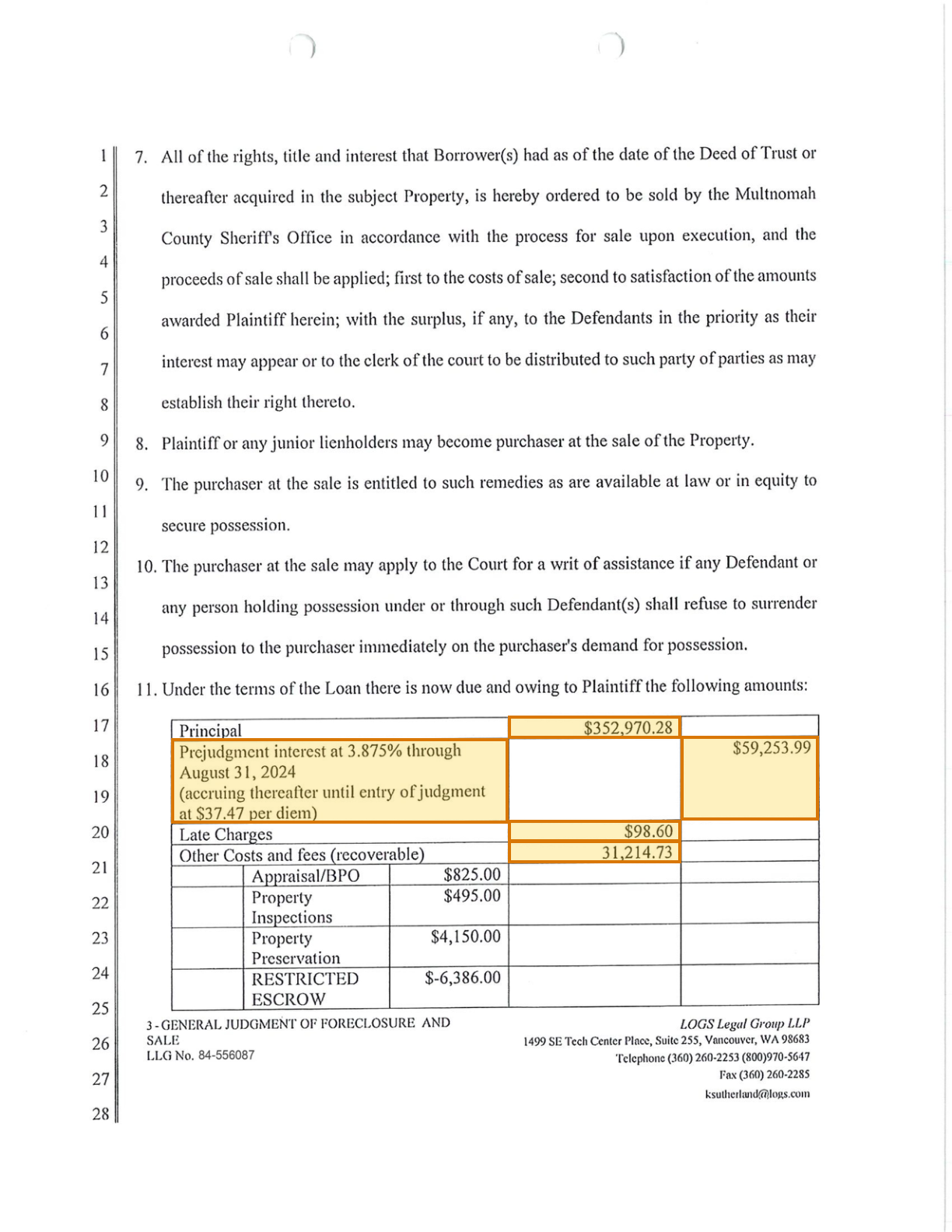
Foreclosure Judgment
In judicial foreclosure states, a county court signs a judgment at the end of each case, often on a draft prepared by the lender's law firm. A servicer's default team receives one for every loan foreclosed there, as a scanned PDF from foreclosure counsel or a download from the court docket. Default servicing needs the case number, the total award with its principal and interest, the fees and the post-judgment rate. The default servicing system records them, sets the credit bid for the sheriff's sale and accrues interest until the sale.
30-field schema · grounded sample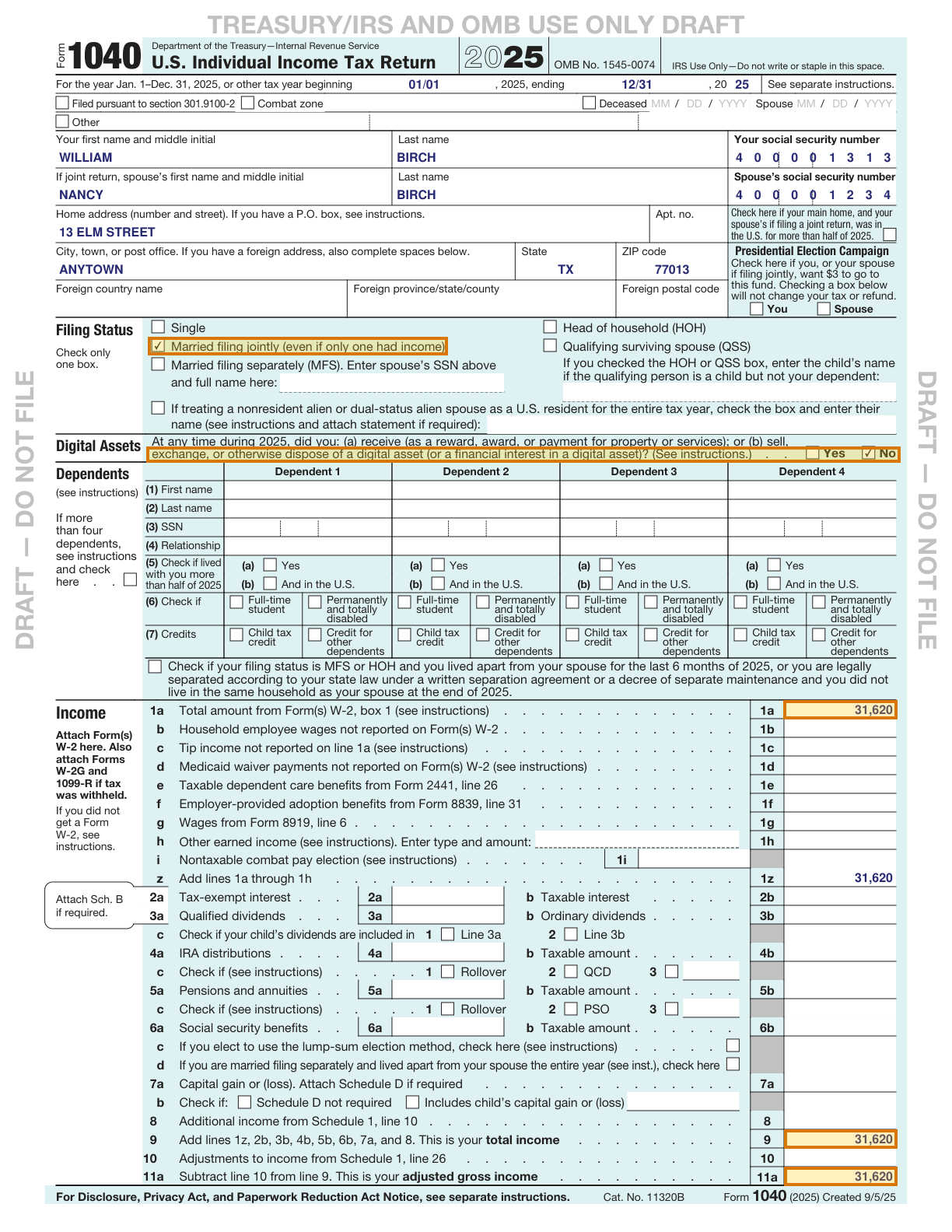
Form 1040
Individuals file about 160 million Form 1040 returns a year, each printed by tax software or a preparer on that year's IRS layout. Mortgage lenders collect two years of them from borrowers whose income calls for returns, uploaded to a borrower portal as PDFs and scans of signed copies. Underwriting needs the filing status, wages, total income, adjusted gross income and total tax. The lender checks those against the IRS tax return transcript it requests with Form 4506-C, then carries them into the income calculation.
50-field schema · grounded sample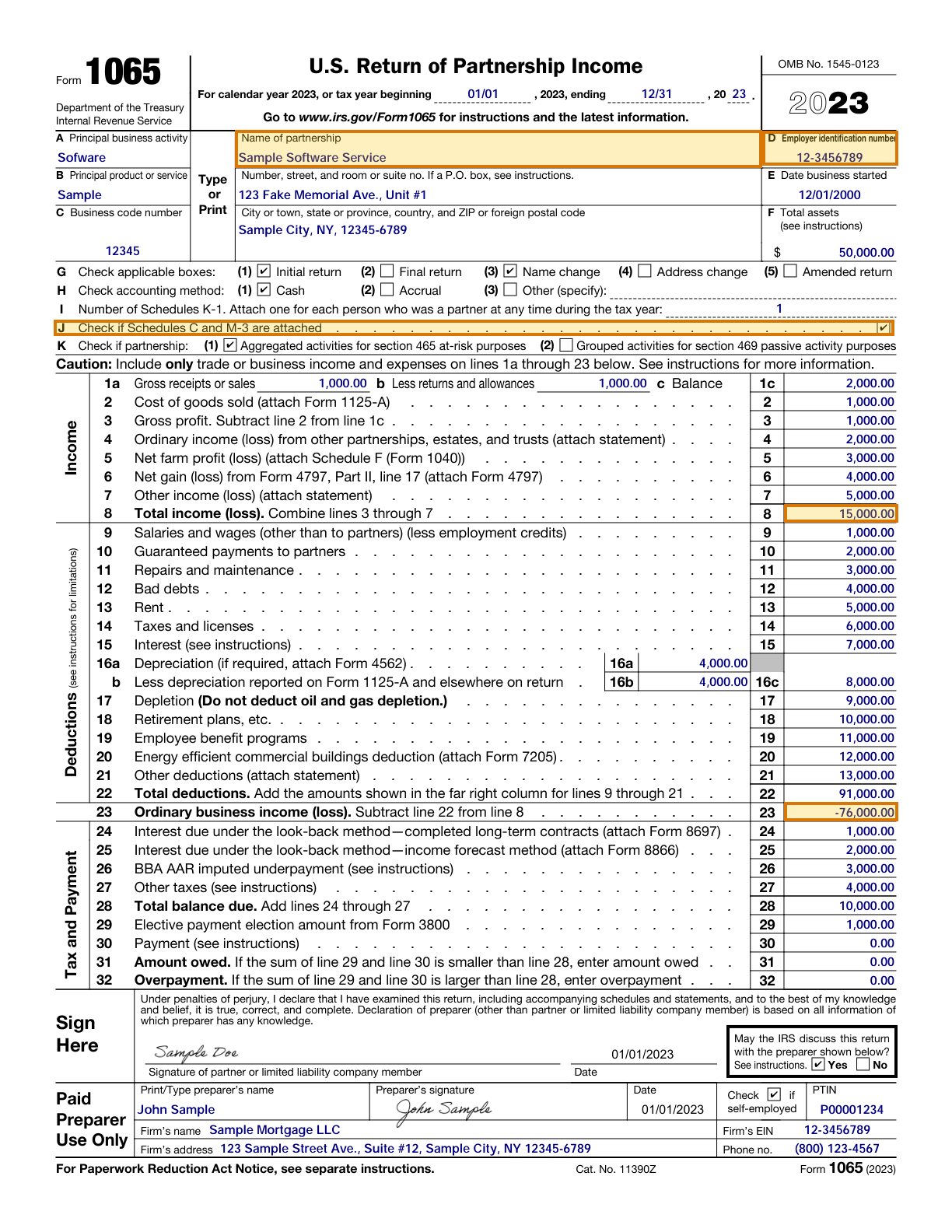
Form 1065
Partnerships file more than four million Form 1065 returns a year, each printed by its preparer's tax software on that year's IRS layout. Mortgage lenders collect two years of them from every borrower who owns 25% or more of a partnership, uploaded to a borrower portal as PDFs and scans. An underwriter needs the partnership's EIN and tax year, its ordinary business income, and the depreciation and depletion it deducted. A cash flow analysis such as Fannie Mae Form 1084 adds those non-cash deductions back to arrive at the income a borrower qualifies on.
75-field schema · grounded sample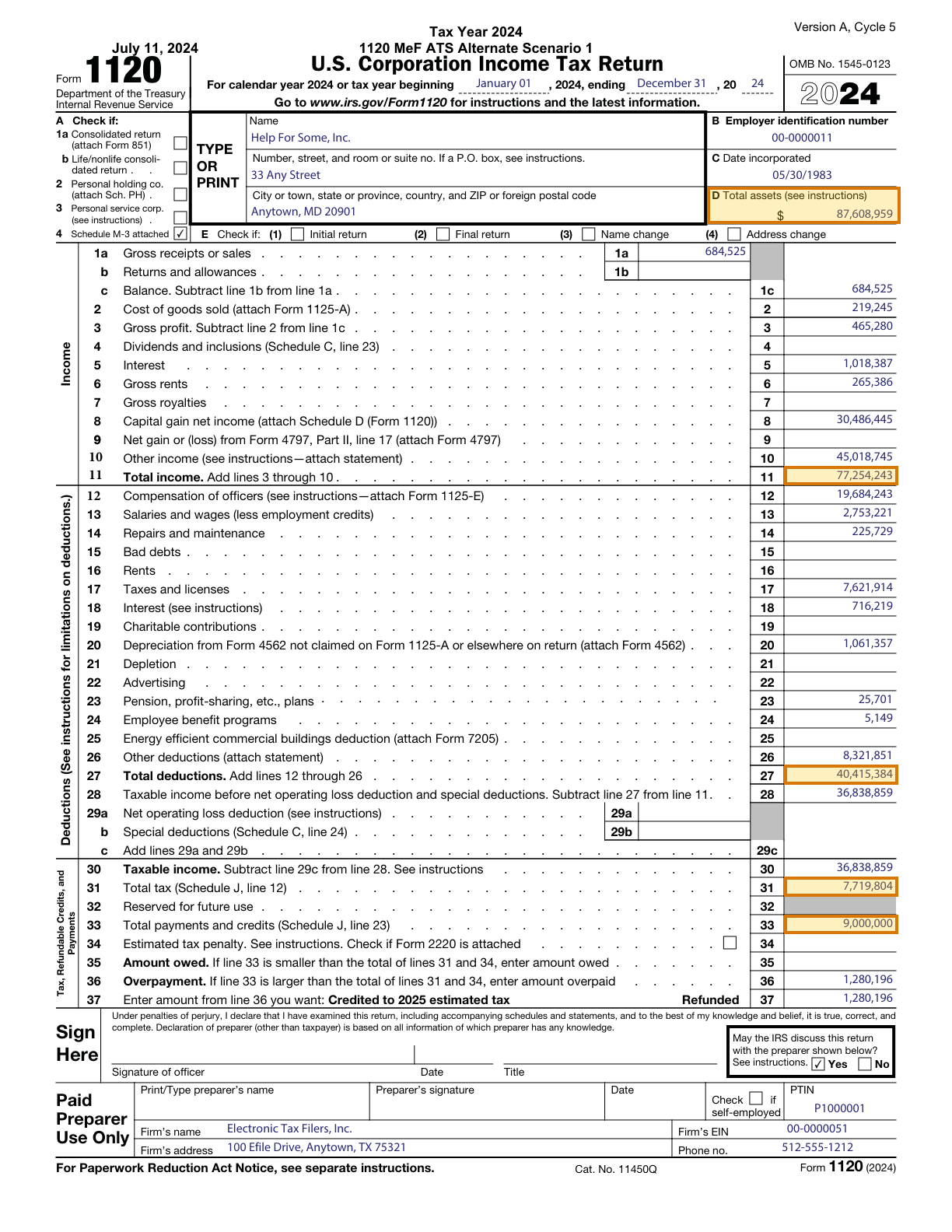
Form 1120
Every C corporation files a Form 1120 each year, printed by its preparer's tax software on that year's IRS layout with schedules attached. Commercial and SBA lenders collect two or three years of returns from each corporate borrower, as PDFs uploaded to a portal or sent by the accountant. Credit analysts need total assets, total income, taxable income, total tax and the balance sheet. Spreading software maps those into the lender's standard statement, where cash flow and leverage are calculated for the credit memo.
69-field schema · grounded sample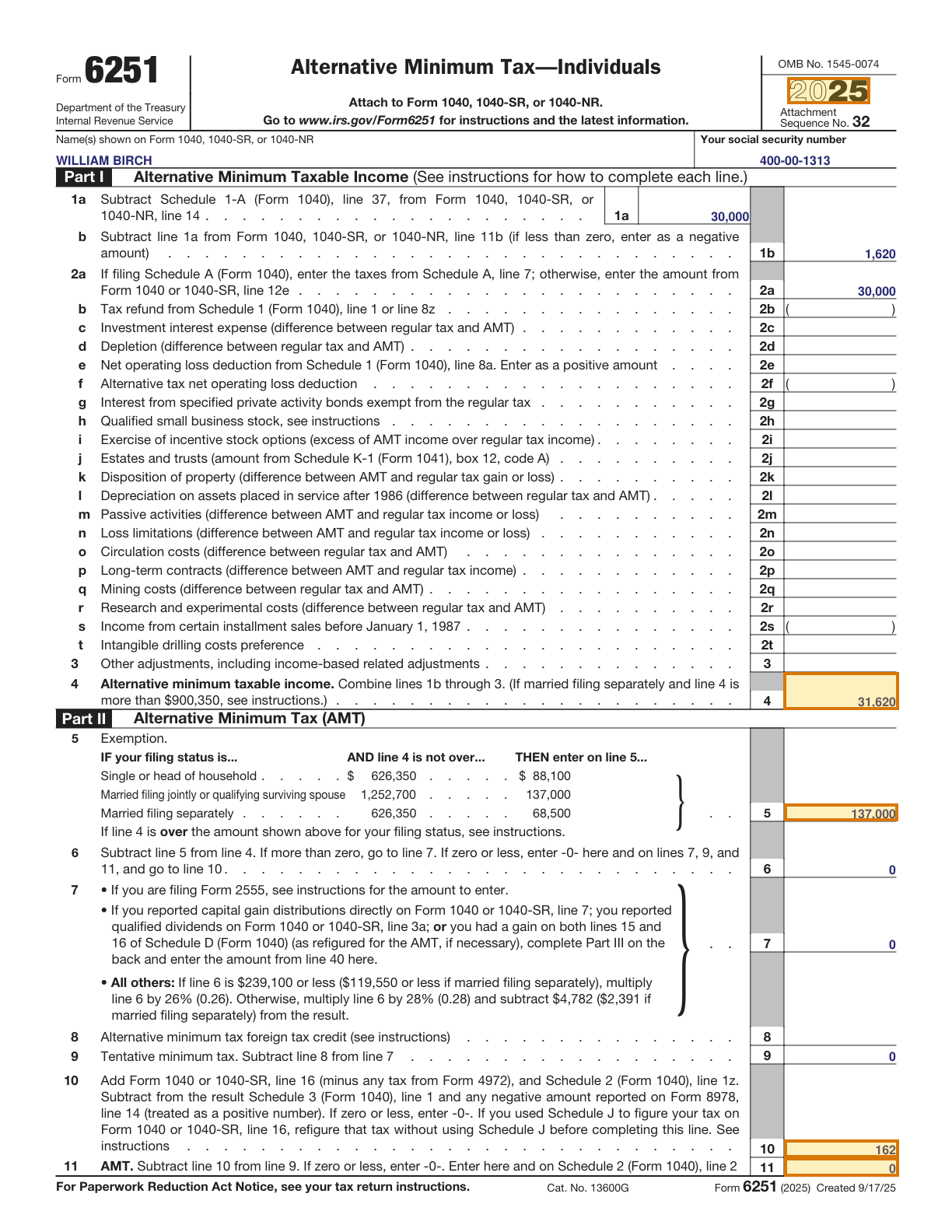
Form 6251
Taxpayers attach Form 6251 to their 1040 when the alternative minimum tax applies or a credit requires it, on that year's IRS layout. Tax preparers onboarding new clients receive it inside each prior-year return, as a PDF from the client or a download from a tax portal. Preparers need the alternative minimum taxable income, the exemption, the tentative minimum tax and the AMT owed. When a prior-year AMT liability may generate a minimum tax credit, Form 8801 uses the relevant Form 6251 amounts to calculate the credit allowed against a later year's regular tax.
21-field schema · grounded sample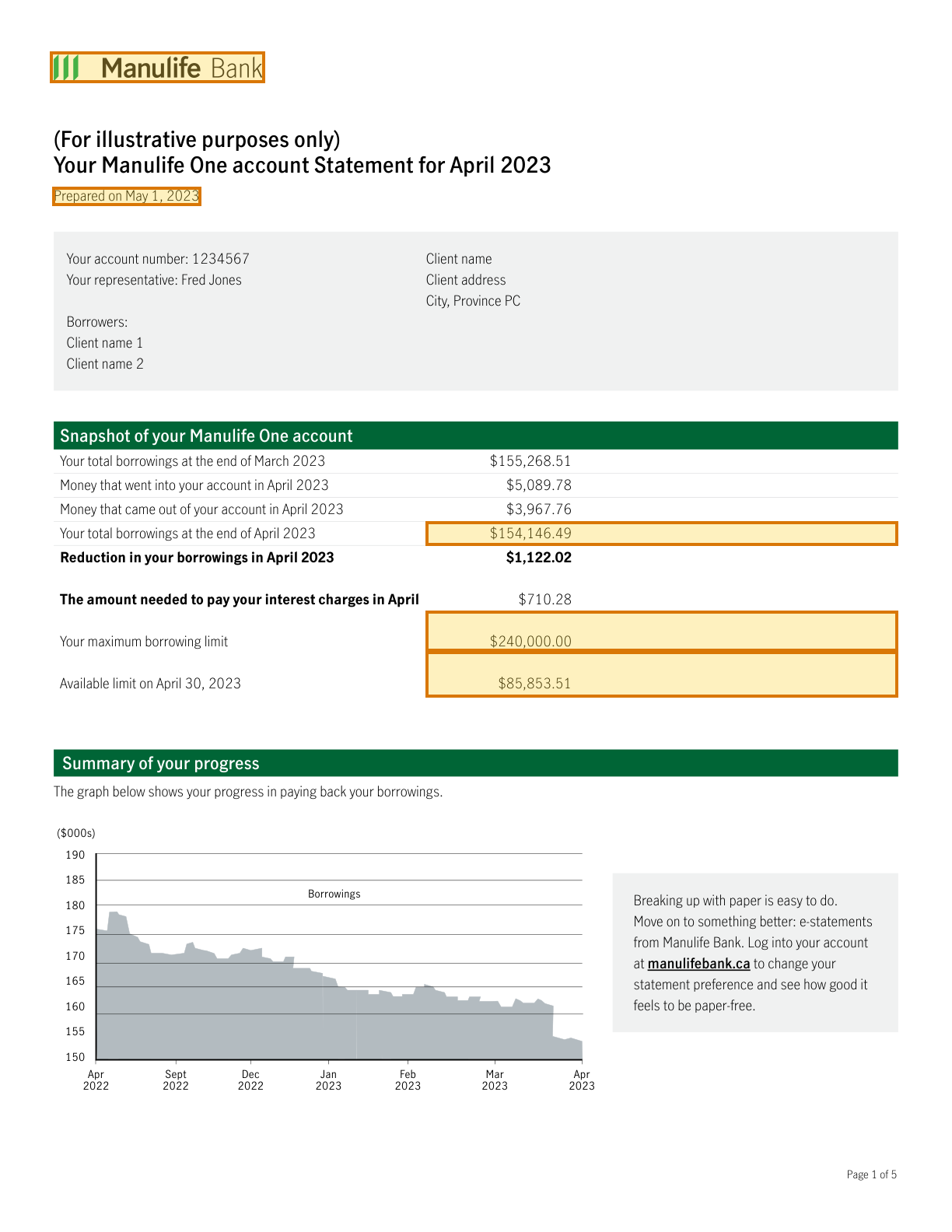
HELOC Statement
A home equity line of credit revolves against the value of a house, and every lender lays its statement out differently. An underwriter reads one whenever an applicant already owns property, because the line is a liability against their income. Large lenders see thousands a month, arriving as portal downloads and scans. An underwriter needs the borrowing limit, the outstanding balance, the available credit and the statement date. A debt-to-income calculation uses the balance and the payment, and the limit tells an automated underwriting system how much more could be drawn.
26-field schema · grounded sample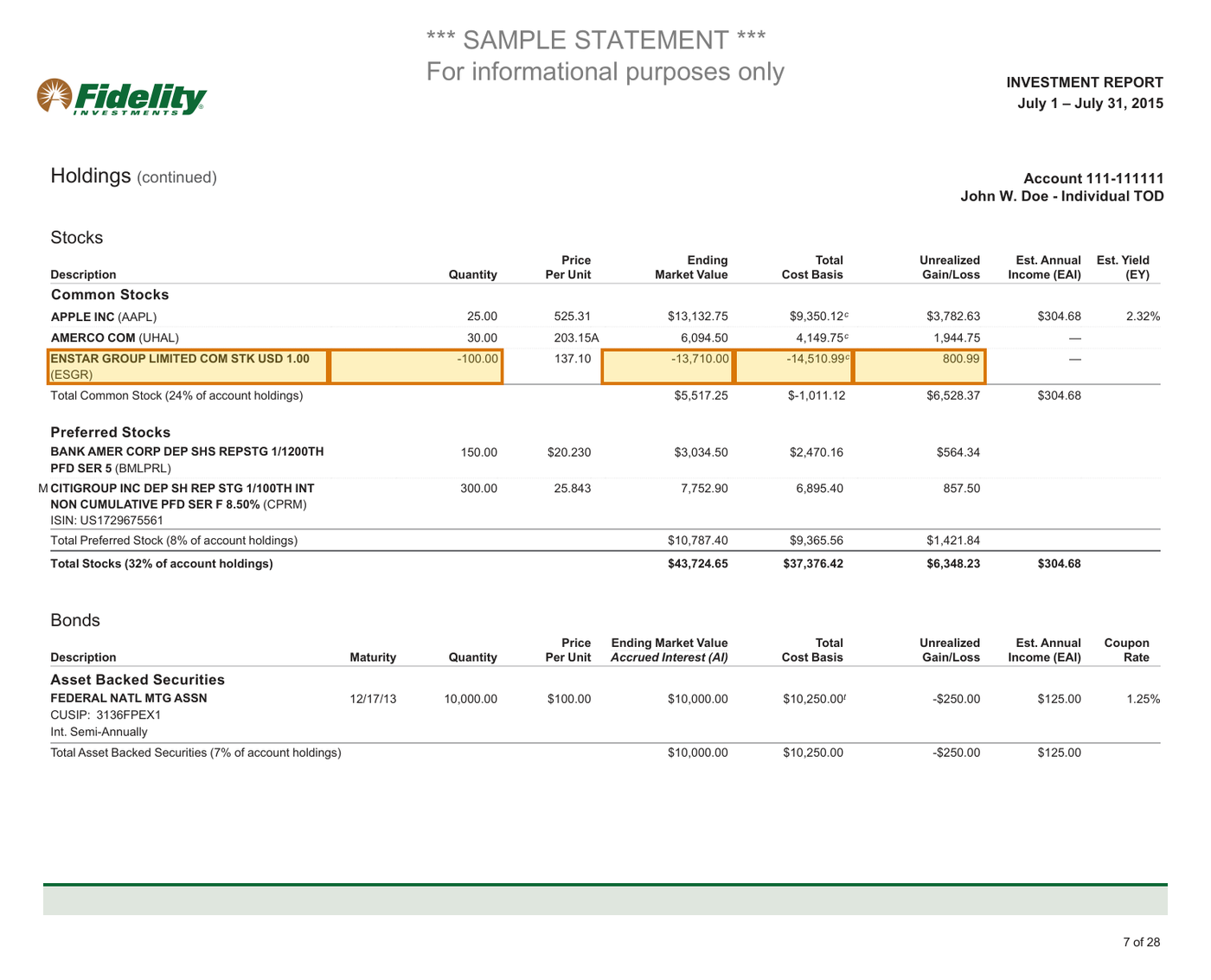
Investment Statement
A custodian sends every client a statement each month, covering as many accounts as they hold and running from a few pages to a few hundred. Every firm lays them out its own way. Wealth managers and aggregation platforms ingest them in bulk, from client uploads, portal downloads and scans of posted paper. A reader needs each position, its quantity, its cost basis and its market value, attributed to the right account. Portfolio systems reconcile those against their own books, and tax preparation works from the realized gains they imply.
23-field schema · grounded sample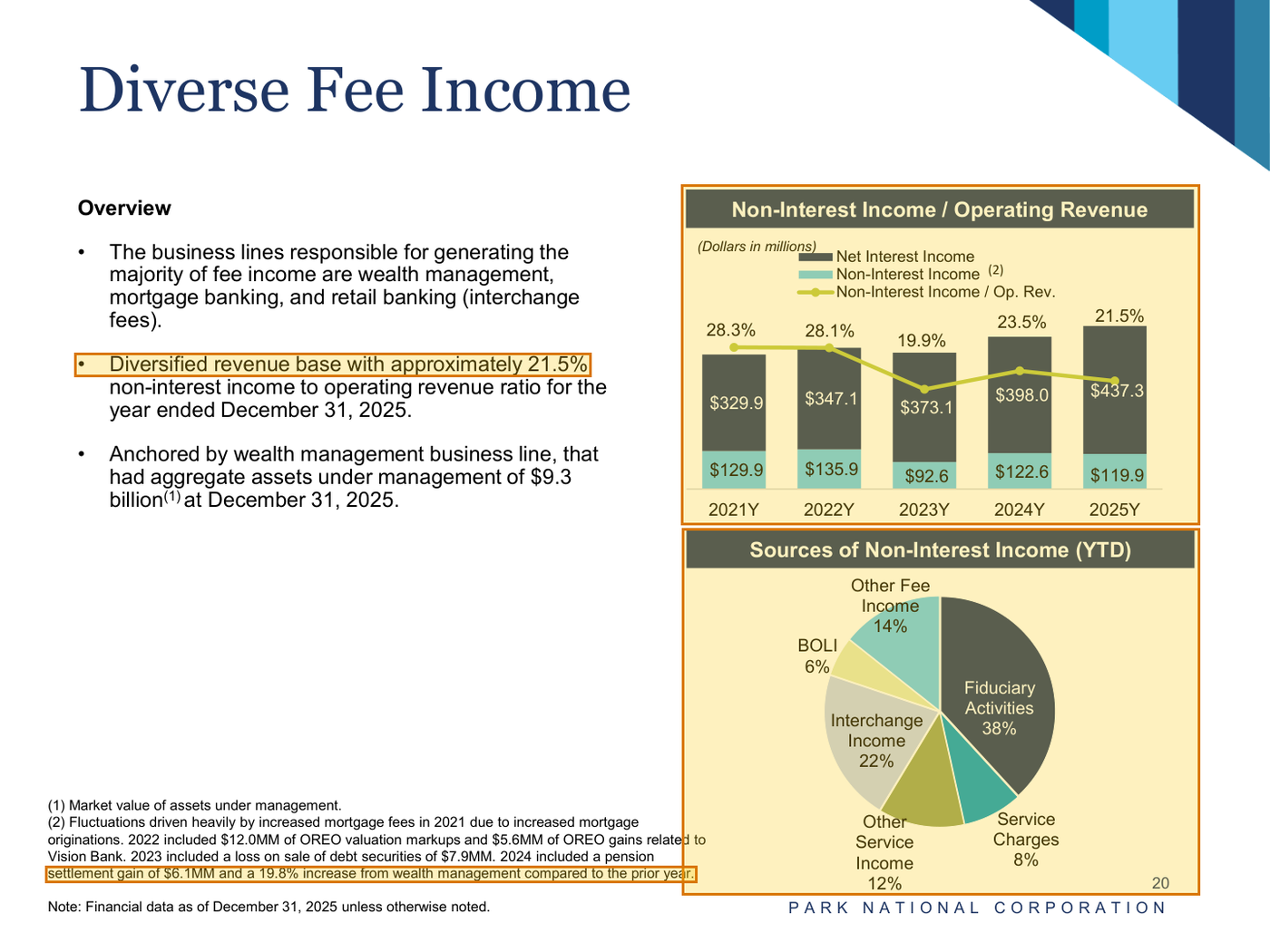
Investor Presentation
An investor presentation puts a company's numbers in their best light, and almost none sit in a table. Quarterly earnings decks, pitch decks and analyst day slides carry their substance in charts and footnotes, each designed by its issuer. Equity analysts and diligence teams pull hundreds each reporting season from investor relations sites. An analyst needs the reported figures, the segment breakdowns and the one-off adjustments buried in footnotes. Those feed comparison models and diligence memos, where a pension settlement gain counted as recurring revenue changes the valuation.
23-field schema · grounded sample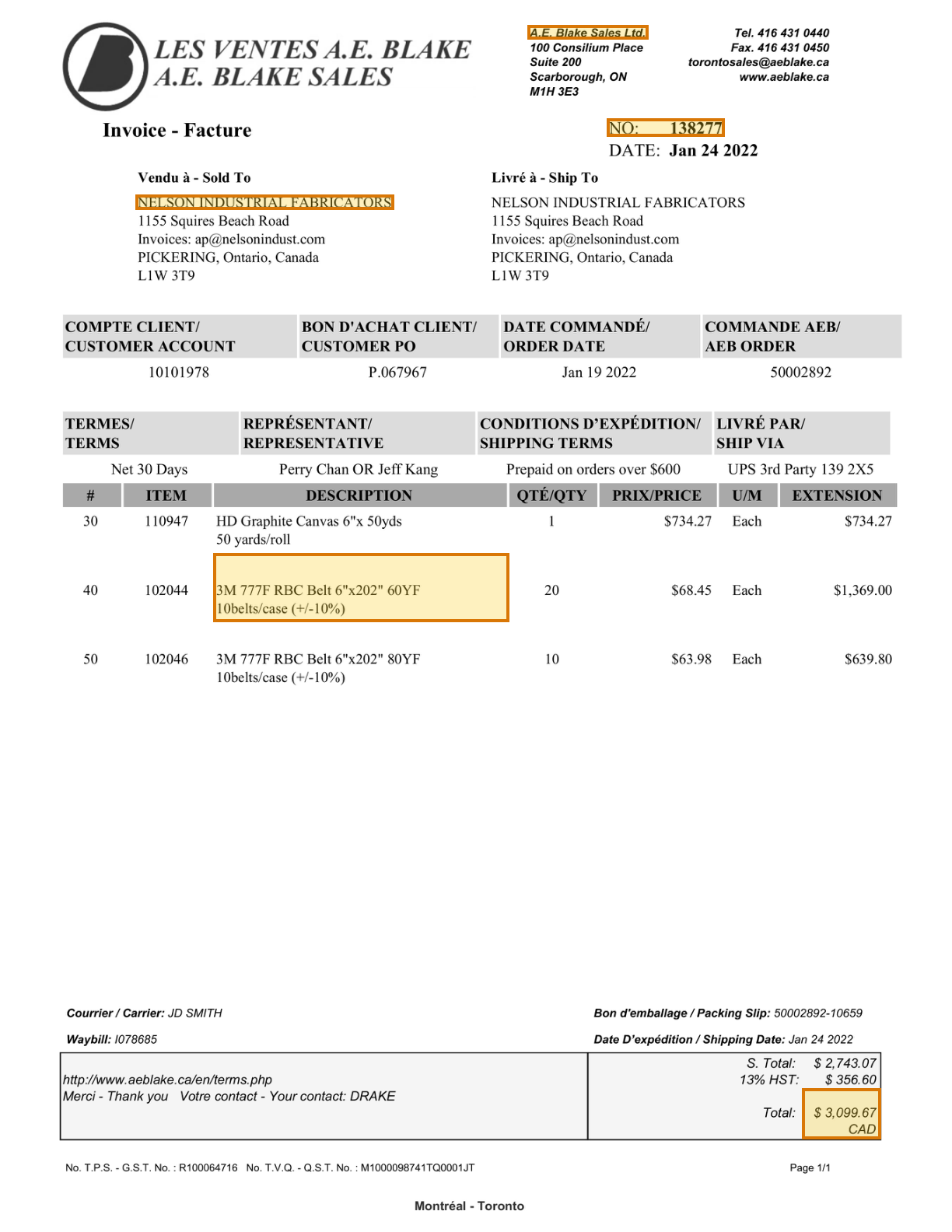
Invoice
Every business that buys anything receives invoices, and no two suppliers format them alike. A mid-sized accounts payable team handles several thousand a month, arriving as email attachments and as photographs of paper. Each one has to be matched to a purchase order before it can be paid. Accounts payable needs the supplier, the invoice number, every line item and the amount due. An ERP matches those against the open purchase order, posts the invoice to the general ledger, and schedules it into a payment run.
35-field schema · grounded sample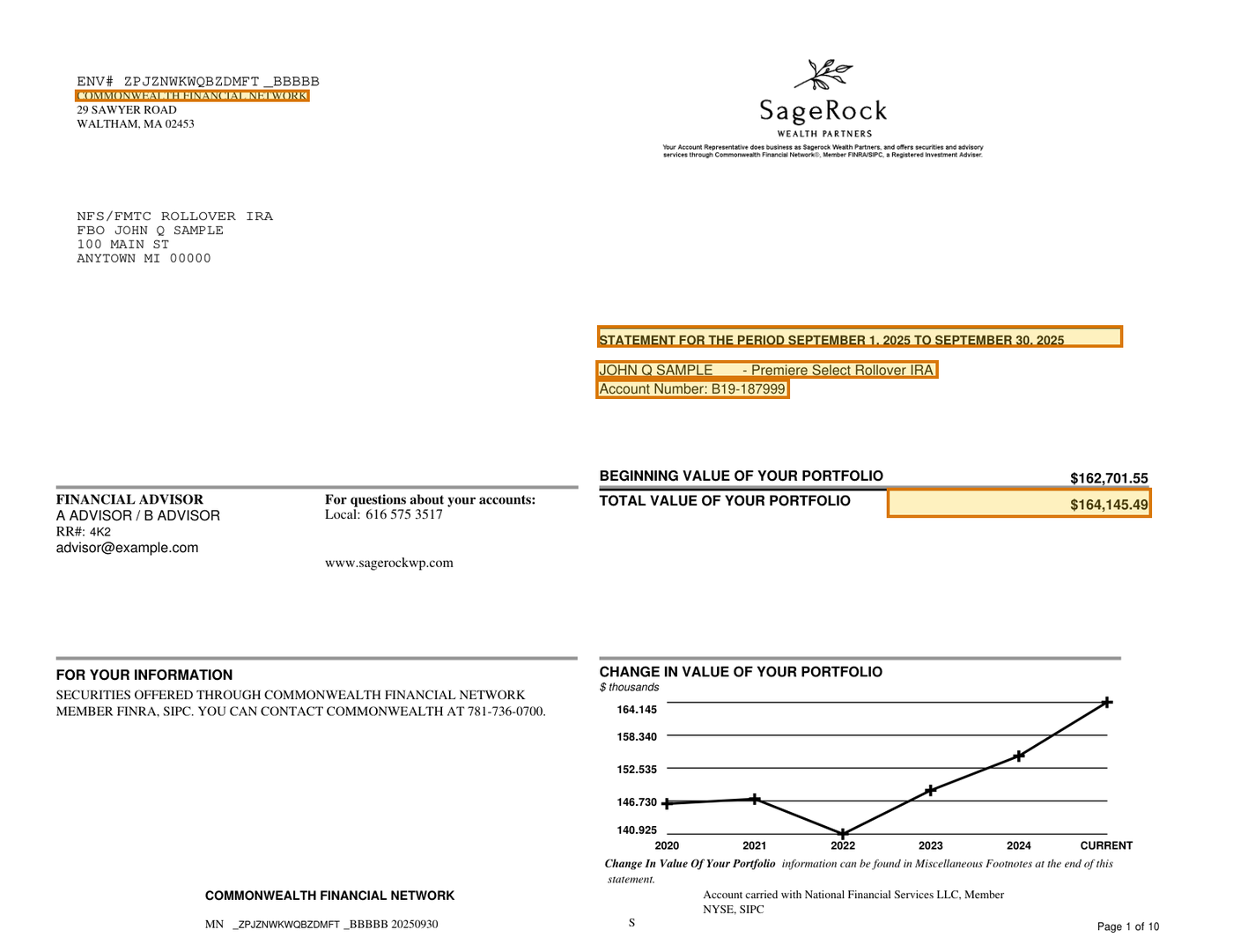
IRA Statement
An individual retirement account is held at a custodian and often sold through an adviser, so the statement carries several firms and each custodian formats its own. A mortgage underwriter reads one to count reserves. Large lenders see thousands a quarter, arriving as portal downloads and scans. An underwriter needs the account holder, the account number, the statement date and the account value. A loan origination system counts the value toward reserves, and a beneficiary review reads the same statement for who inherits.
30-field schema · grounded sample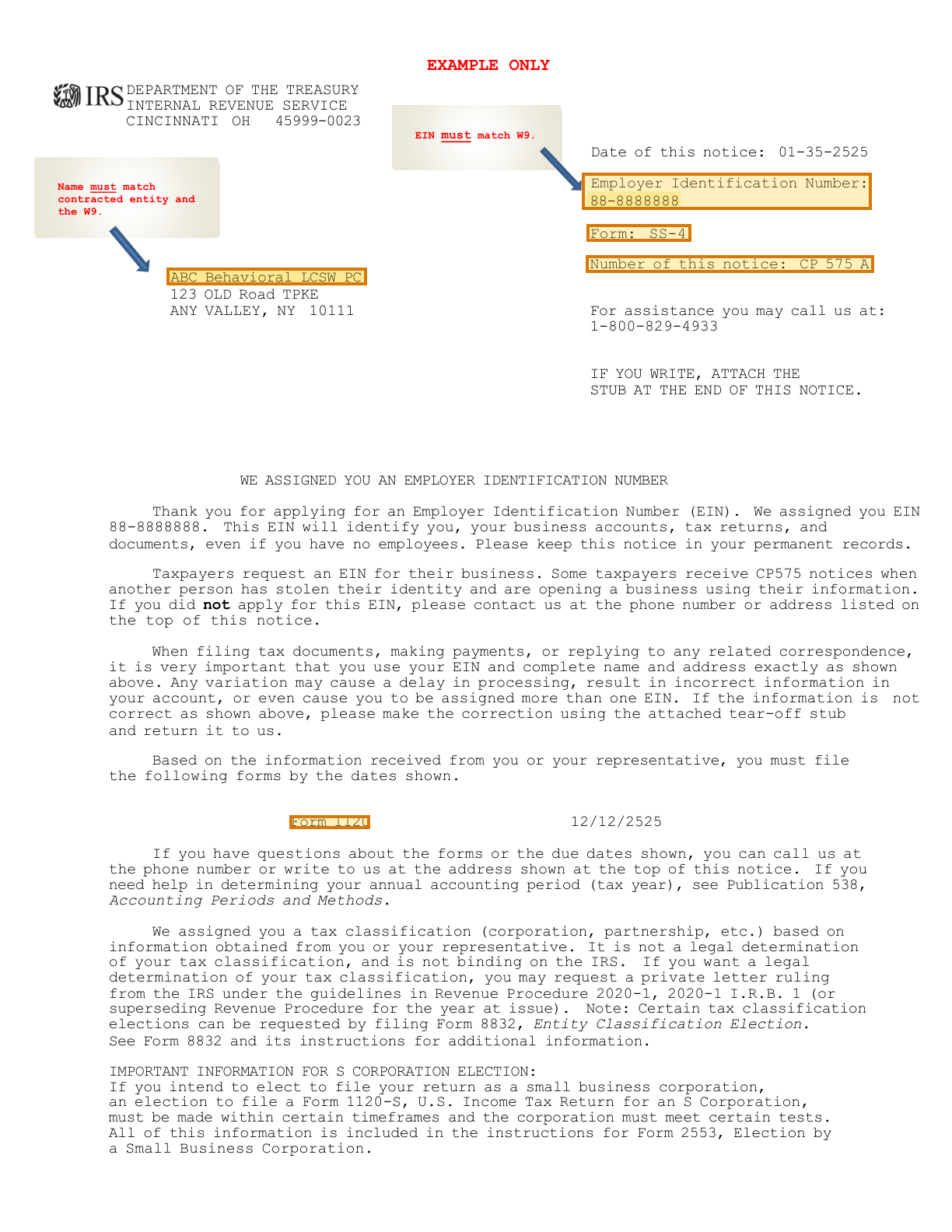
IRS CP 575
The IRS sends a CP 575 notice once, when it assigns a business its Employer Identification Number, in versions that follow the entity's filing requirements. Banks, payment processors and health plans collect a copy from each business they onboard, as a scan or PDF uploaded with the application. Onboarding needs the EIN, the legal name exactly as the IRS holds it, the address and the forms the business must file. Business verification checks match the name and EIN against the business's W-9 before the account goes live.
13-field schema · grounded sample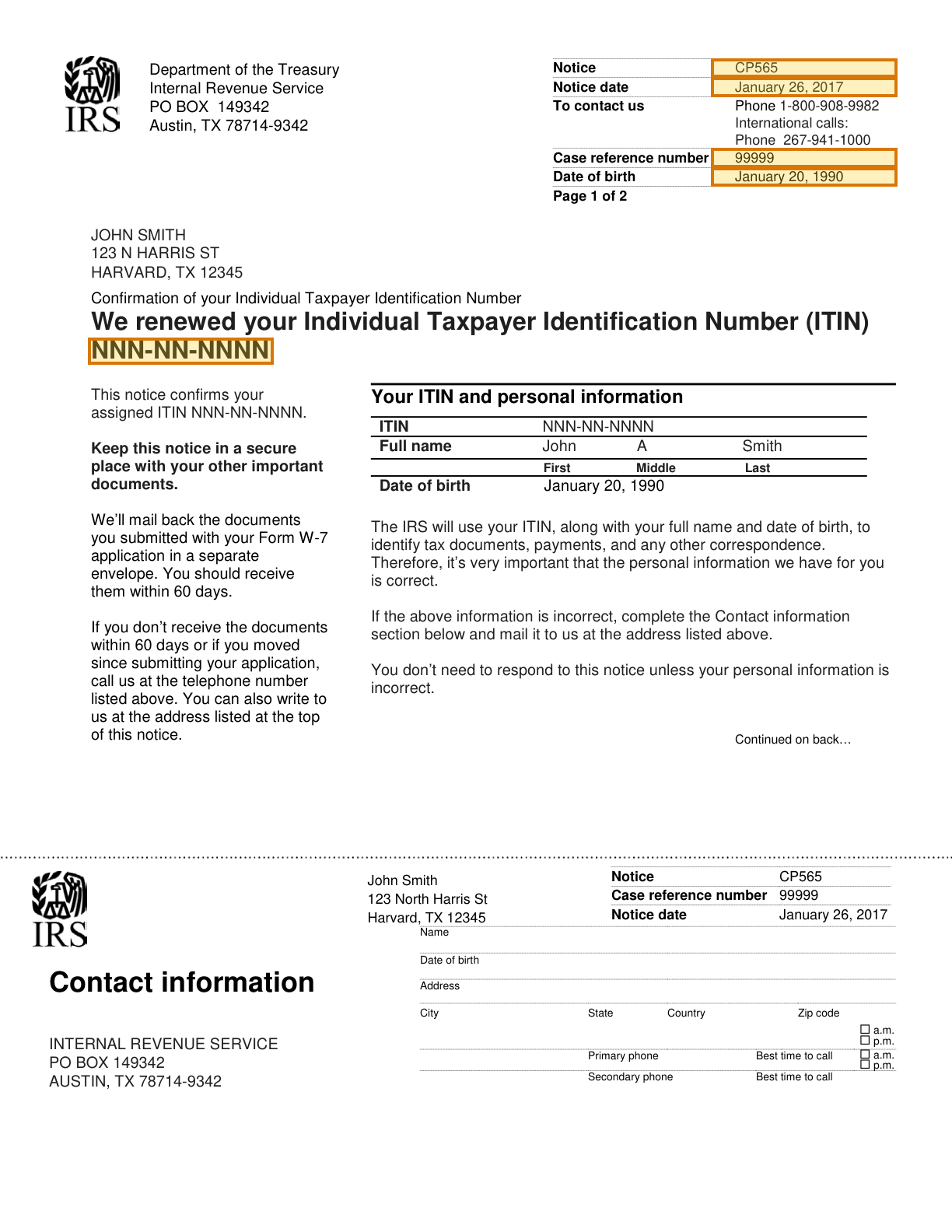
ITIN Notice
The IRS assigns an Individual Taxpayer Identification Number to a filer who cannot get a social security number, and confirms it by letter. One agency issues every one, in English and Spanish, across several notice types. Lenders and tax preparers see thousands each season, arriving as phone photographs and portal uploads. A lender needs the ITIN, the name it was issued to, the date of birth and the notice date. A loan origination system matches those against the application and files them as the borrower's taxpayer identification evidence.
14-field schema · grounded sample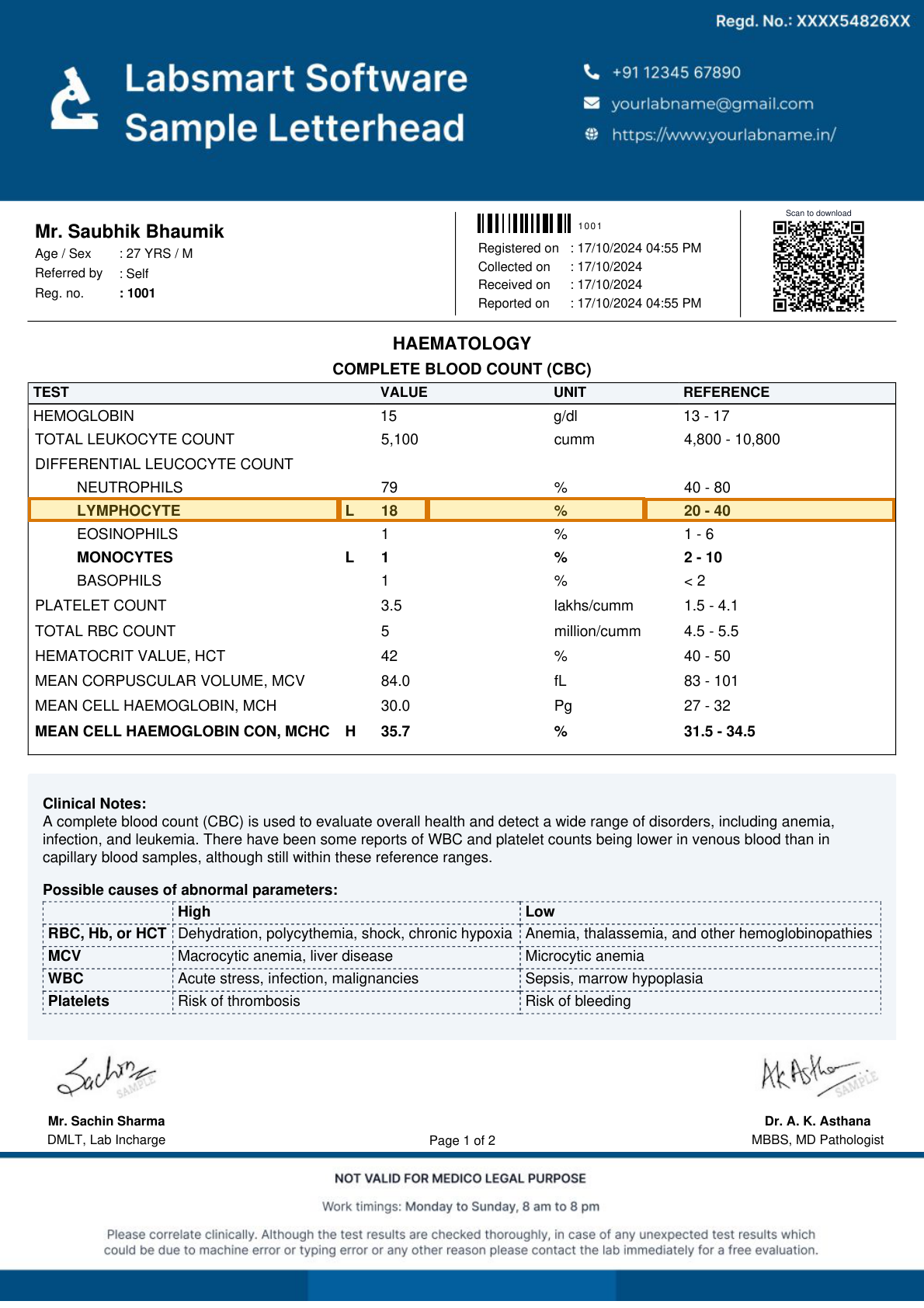
Lab Report
Clinical laboratories print results from their laboratory information systems, each with its own letterhead, panel layout and units. Insurers, clinical research teams and care coordinators receive reports from many labs every day, as PDFs from lab portals, faxed pages or patient uploads. Clinical review needs each test's name, result, unit and reference range, with the patient's age and sex that set the range. Those values feed an electronic health record or a claims review system, which compares each result with its range.
23-field schema · grounded sample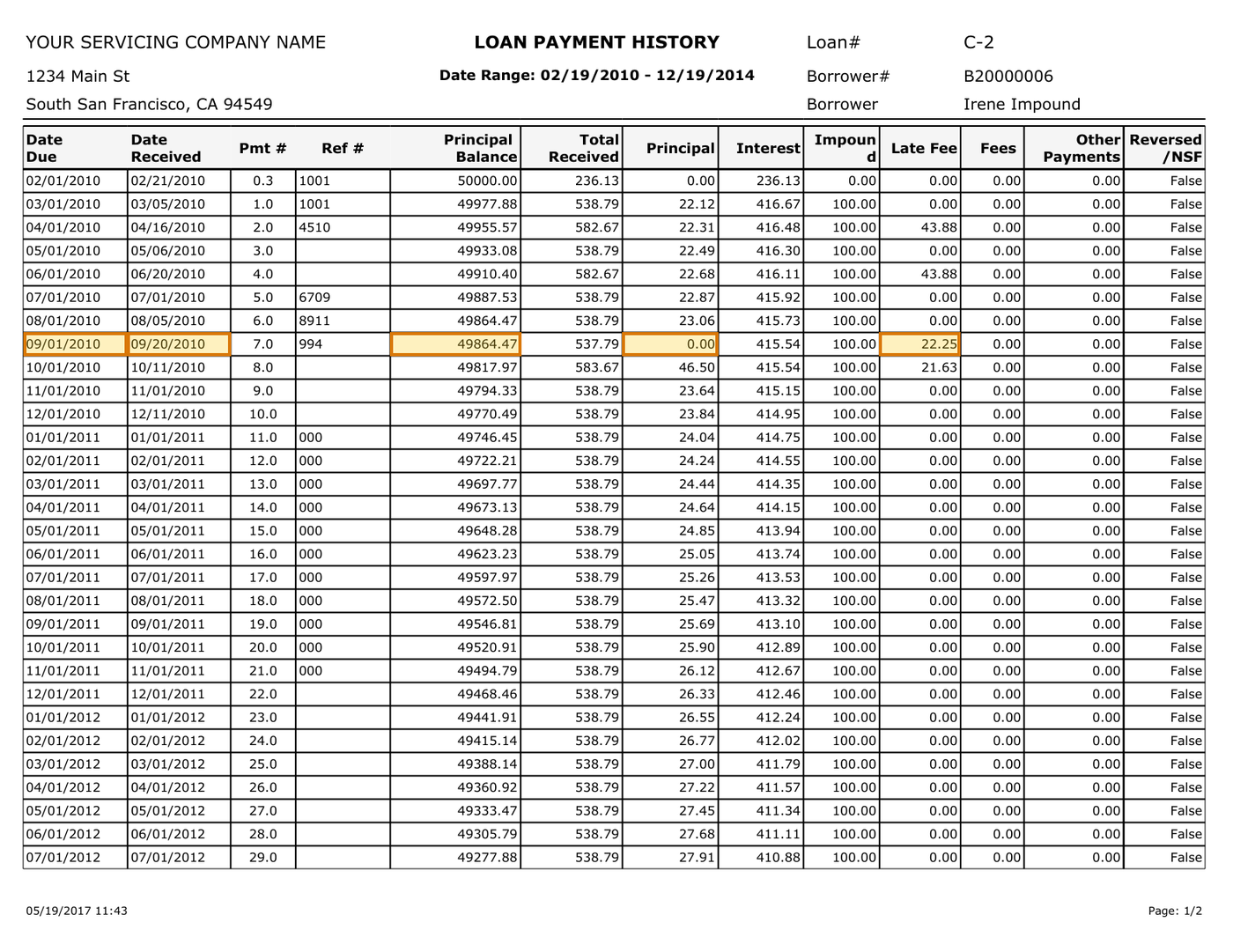
Loan History
A servicer keeps a line for every payment a loan has taken, printed on whatever report its software produces. A buyer reads the history before the loan trades. A court reads it when a borrower disputes what was paid, and servicing teams produce thousands a month, arriving as PDF exports. A reviewer needs each payment's due and received dates, what it was split into and the balance it left behind. A boarding or audit system replays the history row by row and flags the payments that arrived late or went nowhere near principal.
27-field schema · grounded sample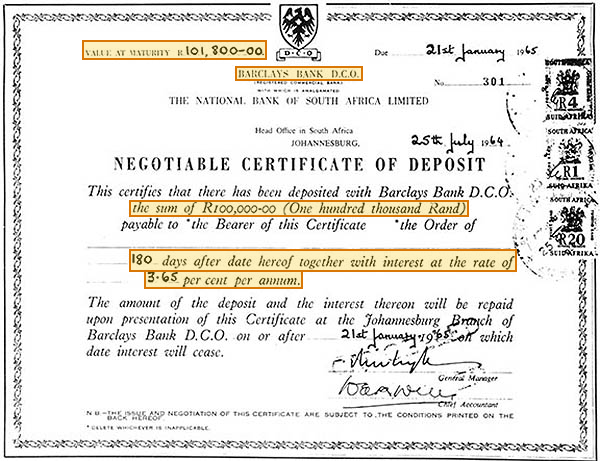
Negotiable Certificate of Deposit
A bank issues a certificate of deposit as a promise to repay a sum with interest on a fixed date, and a negotiable one can be sold on before then. Every issuing bank engraves its own form. Trust departments and archives digitize them in batches, arriving as scans and photographs of paper. A holder needs the issuing bank, the principal, the rate, the term and the value at maturity. A custody or treasury system books the instrument from those, and prices it against the date it falls due.
16-field schema · grounded sample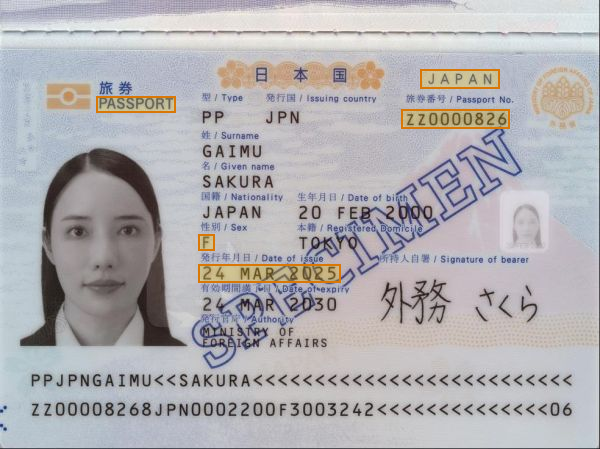
Passport
Every country designs its own passport, and an ICAO standard fixes the machine-readable zone at its foot. An airline boarding a passenger and a bank opening an account both read one to confirm who someone is. A large onboarding team checks thousands a month, arriving as phone photographs through an app. A verifier needs the passport number, the issuing country, the date of expiry and the two machine-readable lines. An identity platform recomputes the MRZ check digits against the printed fields, then screens the holder against sanctions lists.
15-field schema · grounded sample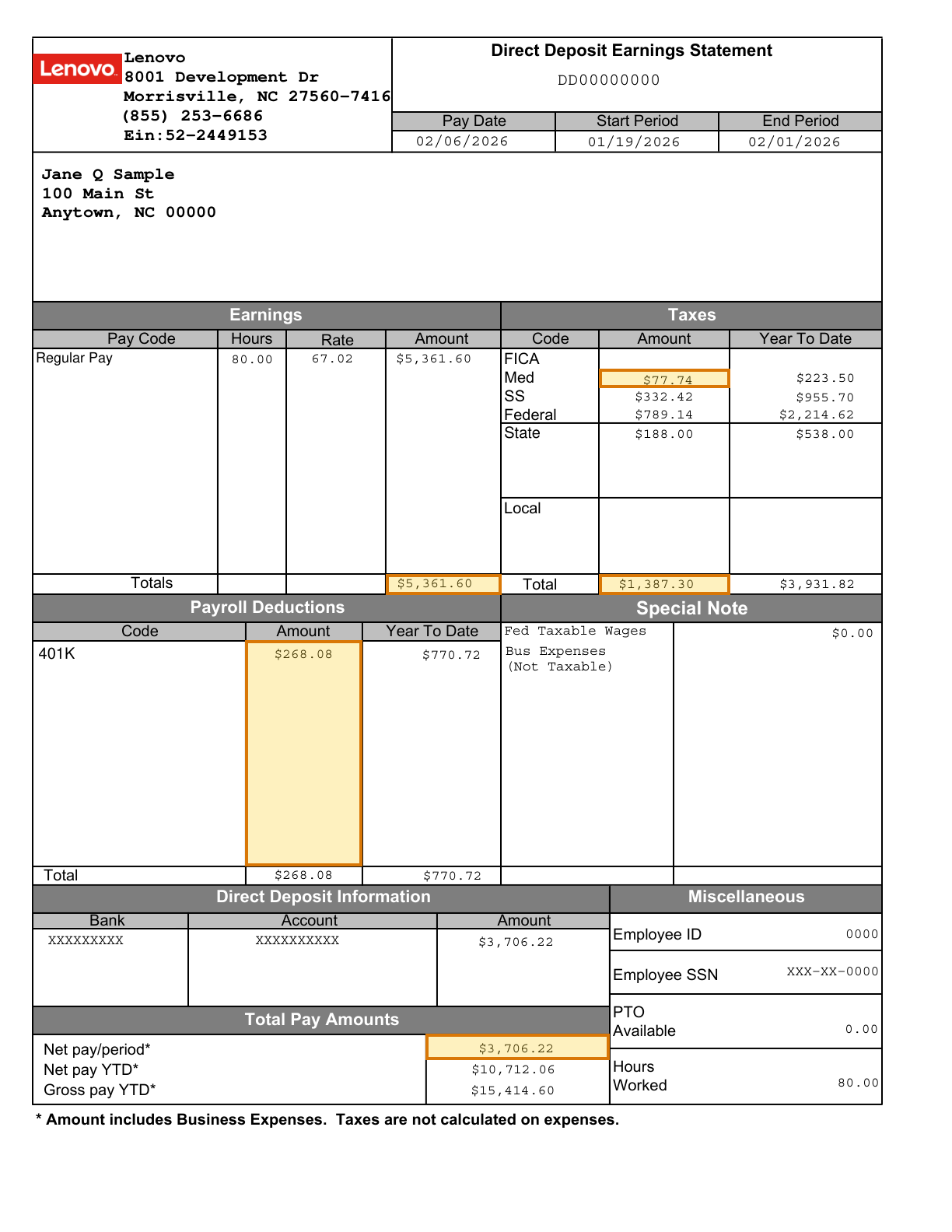
Pay Stub
A pay stub accompanies every paycheck, and state law fixes what must appear on it without saying how. California names gross wages, hours, deductions and net pay; the layout is the payroll system's own. Mortgage underwriters and benefits agencies read them in the thousands, as portal PDFs and photographs of paper. An underwriter needs gross pay, the tax and deduction lines, net pay, and the pay period dates. A loan origination system annualizes gross pay into qualifying income, and a benefits system tests net pay against an eligibility threshold.
24-field schema · grounded sample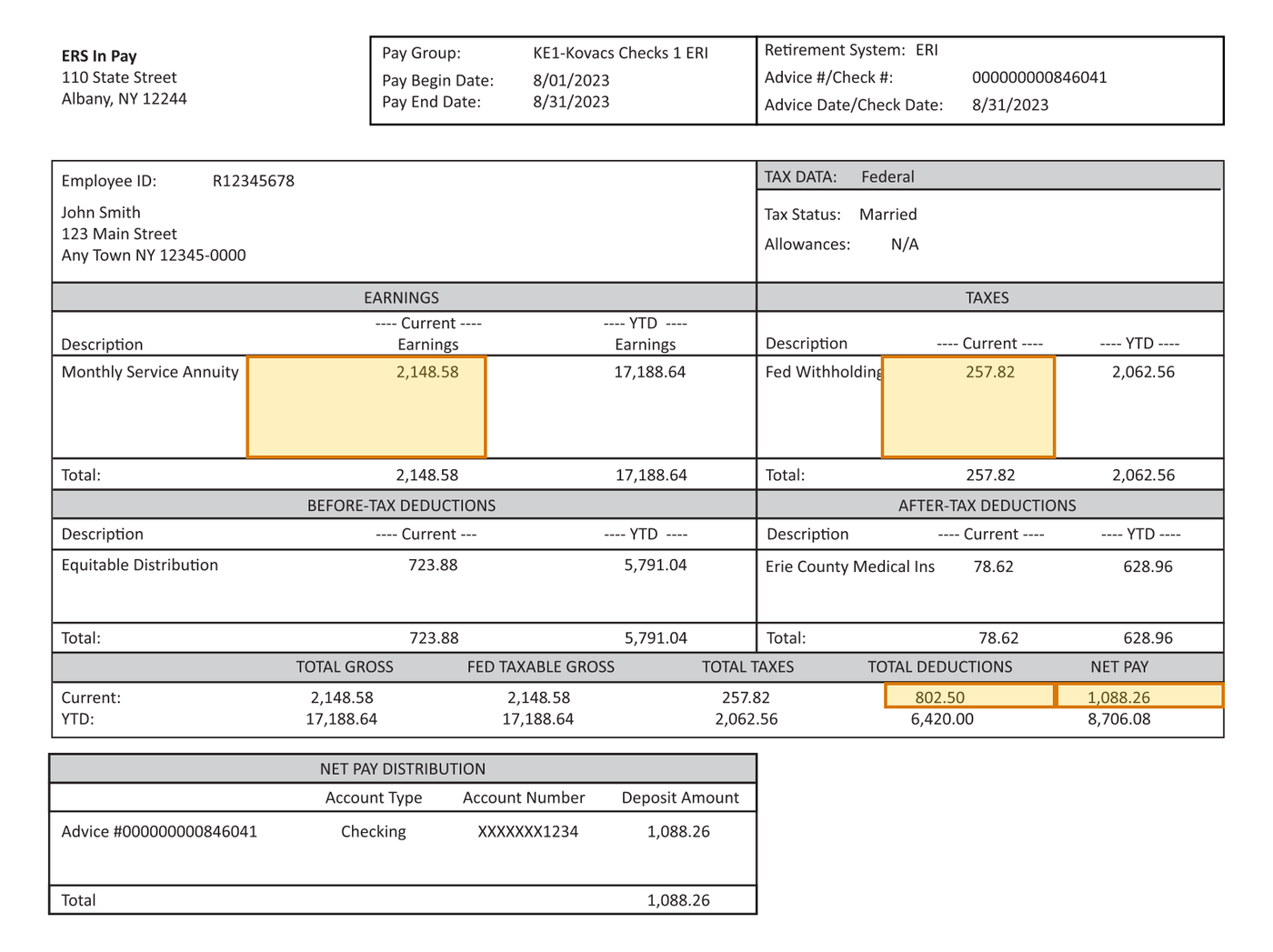
Pension Statement
Public retirement systems and corporate plan administrators send retirees a pension statement with every payment, each in the system's own layout. Mortgage lenders may request the latest statement when applicants use pension income to qualify, as a portal download or a scan of the mailed advice. Underwriting needs the gross monthly annuity, the tax withholding, the other deductions and the net payment. The loan origination system counts the gross annuity as qualifying income, once documents show it continuing for three more years.
36-field schema · grounded sample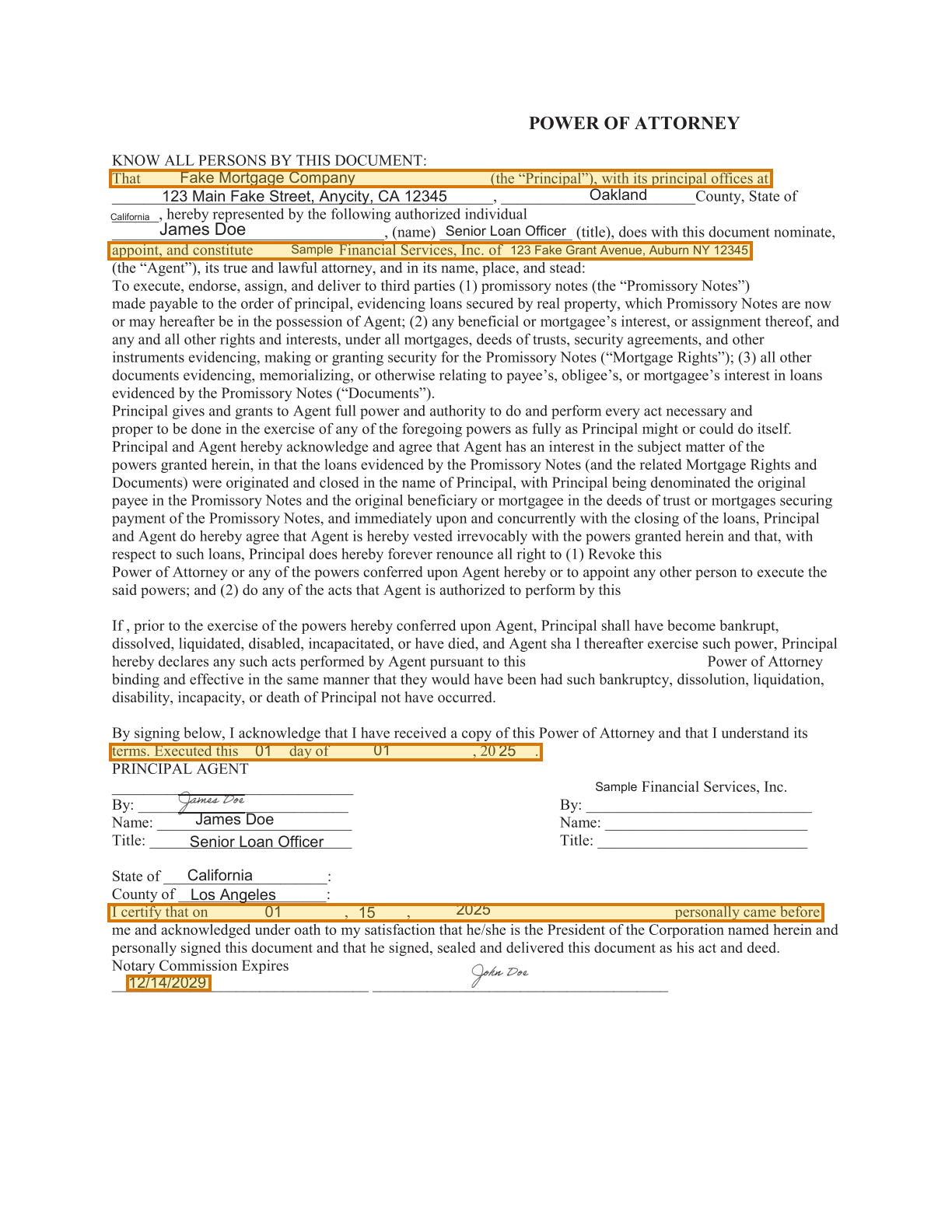
Power of Attorney
Lenders and securitization trusts grant powers of attorney so a servicer or agent can sign assignments, endorsements and releases for them, each drafted in its own words. Title examiners and document custodians check one behind every document an attorney-in-fact signs, as recorded county copies or PDFs in the loan file. Review needs the principal, the agent, the powers granted, the execution date and the notarial acknowledgment. Title review confirms the agent named signed each assignment, and that the grant covered the act on the day it was signed.
23-field schema · grounded sample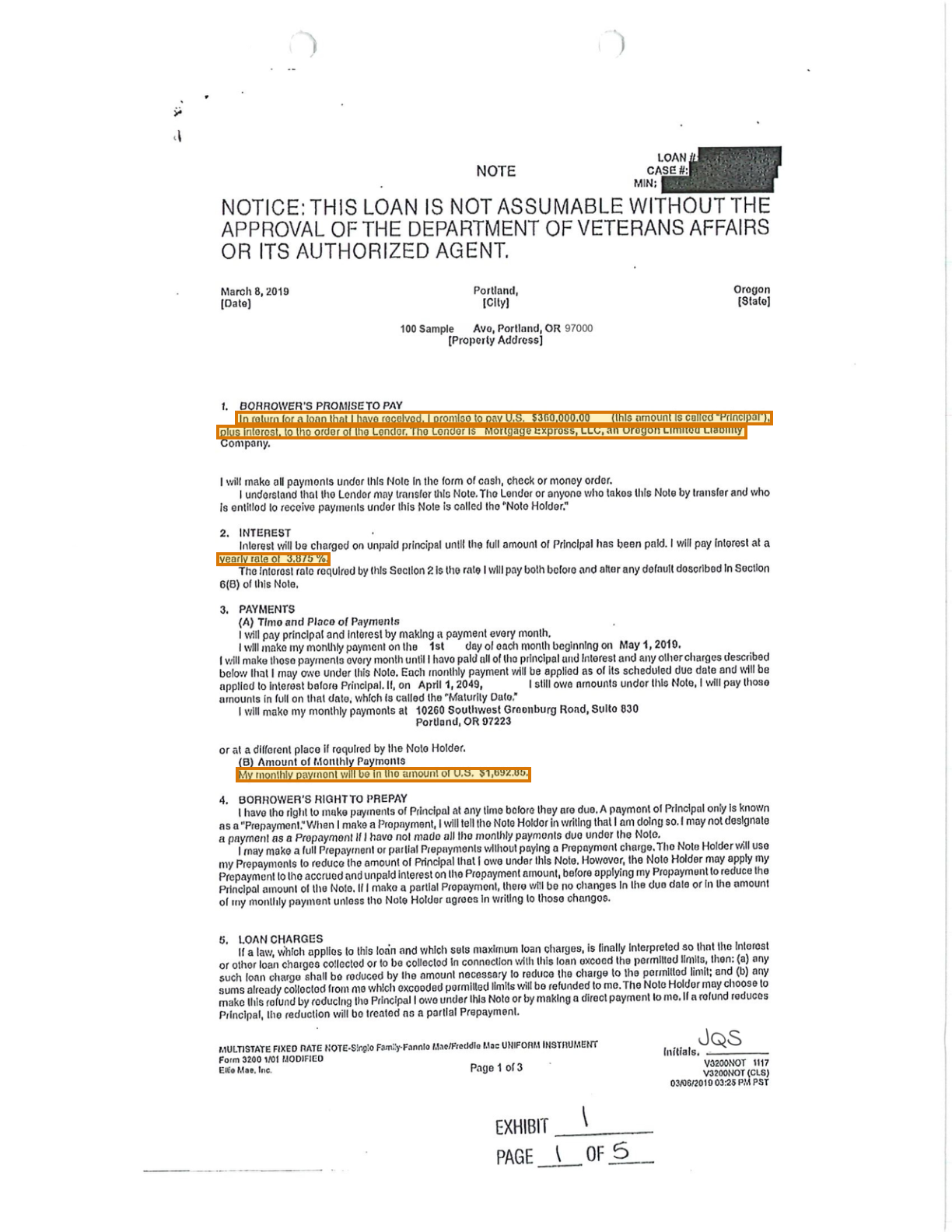
Promissory Note
Every mortgage closes on a signed promissory note, usually a Fannie Mae or Freddie Mac uniform instrument such as Form 3200, with adjustable-rate and state variants. Document custodians certify one for every loan delivered into a pool or sold, reading a scan of the original in the collateral file. Certification needs the principal, the interest rate, the monthly payment, the maturity date and the lender. The custodian matches them against the loan schedule, and a note whose principal or payment differs holds up certification of the pool.
24-field schema · grounded sample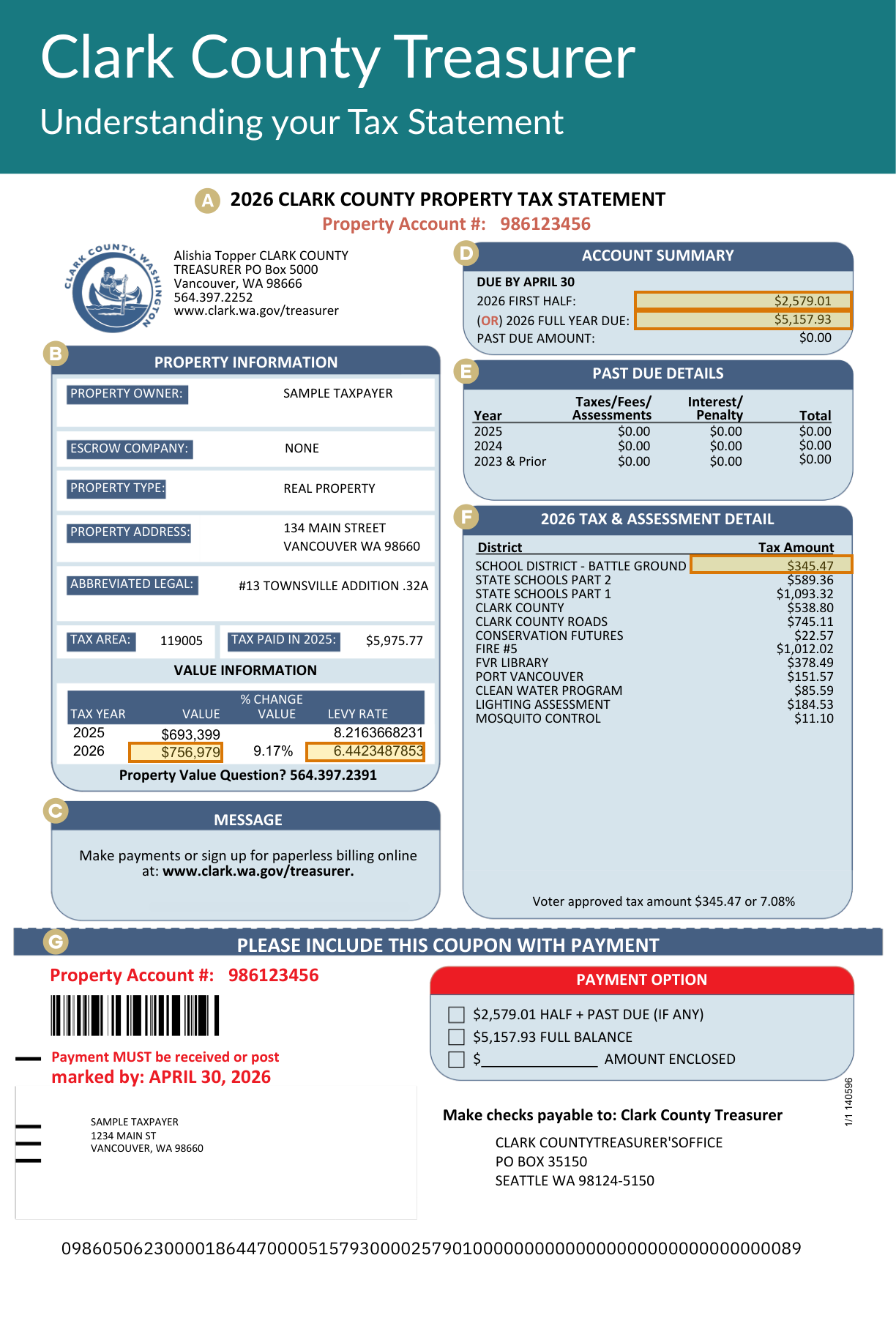
Property Tax Bill
Each county treasurer or tax collector issues property tax bills in its own design, once or twice a year. Mortgage servicers, underwriters and title companies read one for every escrowed or closing property. It arrives as a PDF from the county site or a scan of the mailed bill. Servicing needs the parcel number, the assessed value, the full year amount and each installment with its due date. The escrow system schedules those payments, and the annual escrow analysis uses them to set the borrower's monthly deposit.
28-field schema · grounded sample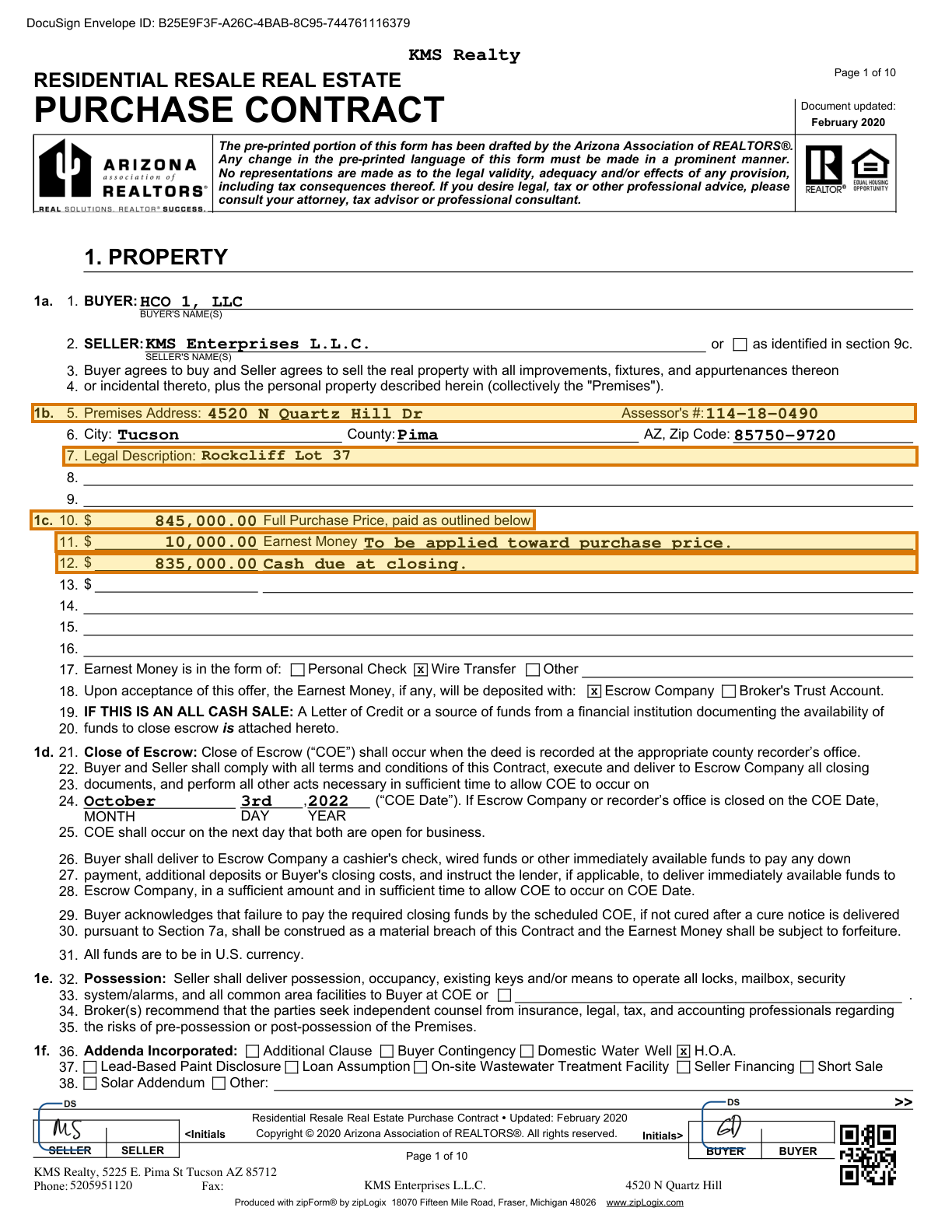
Purchase and Sale Agreement
Most home sales are written on a state REALTOR association's purchase contract, filled in and signed by buyer and seller with addenda attached. Escrow officers and mortgage lenders open a file on every one, receiving the executed contract as an e-signed PDF from the agent or transaction coordinator. Escrow needs the parties, the property and parcel number, the purchase price, the earnest money and the closing date. The title production system opens the order from those, and the lender sets the loan amount from the price.
43-field schema · grounded sample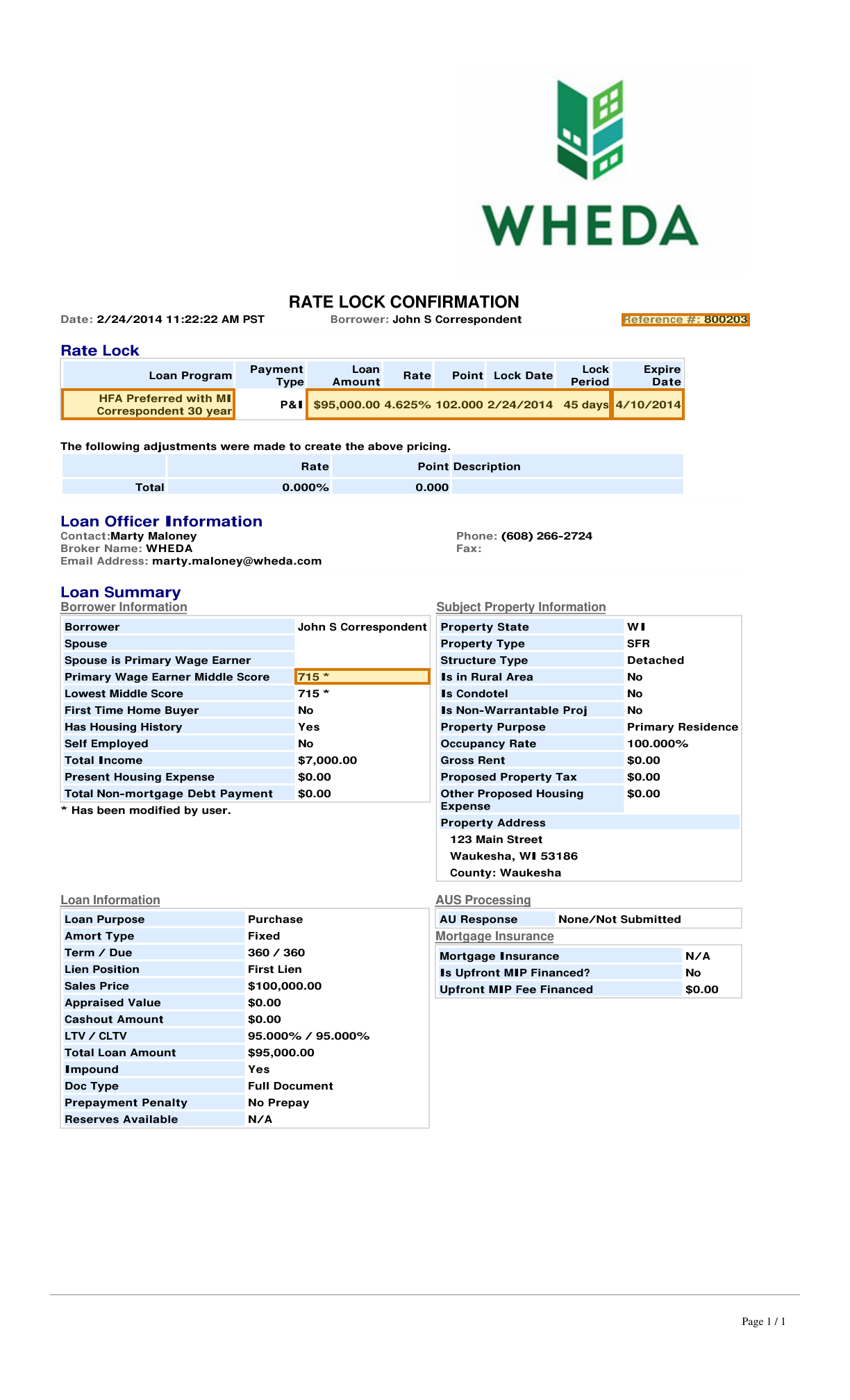
Rate Lock
A lender fixes a mortgage rate for a set number of days and confirms it in writing, on whatever form the investor or housing agency uses. A correspondent lender locks every loan it sells on, and the confirmation is what the file is checked against. Large sellers handle thousands a month, arriving as portal downloads. A secondary marketing desk needs the locked rate, the lock period, the expiry date and the program the loan was priced under. A loan origination system holds the loan to those terms, and a pipeline report counts what expires this week.
34-field schema · grounded sample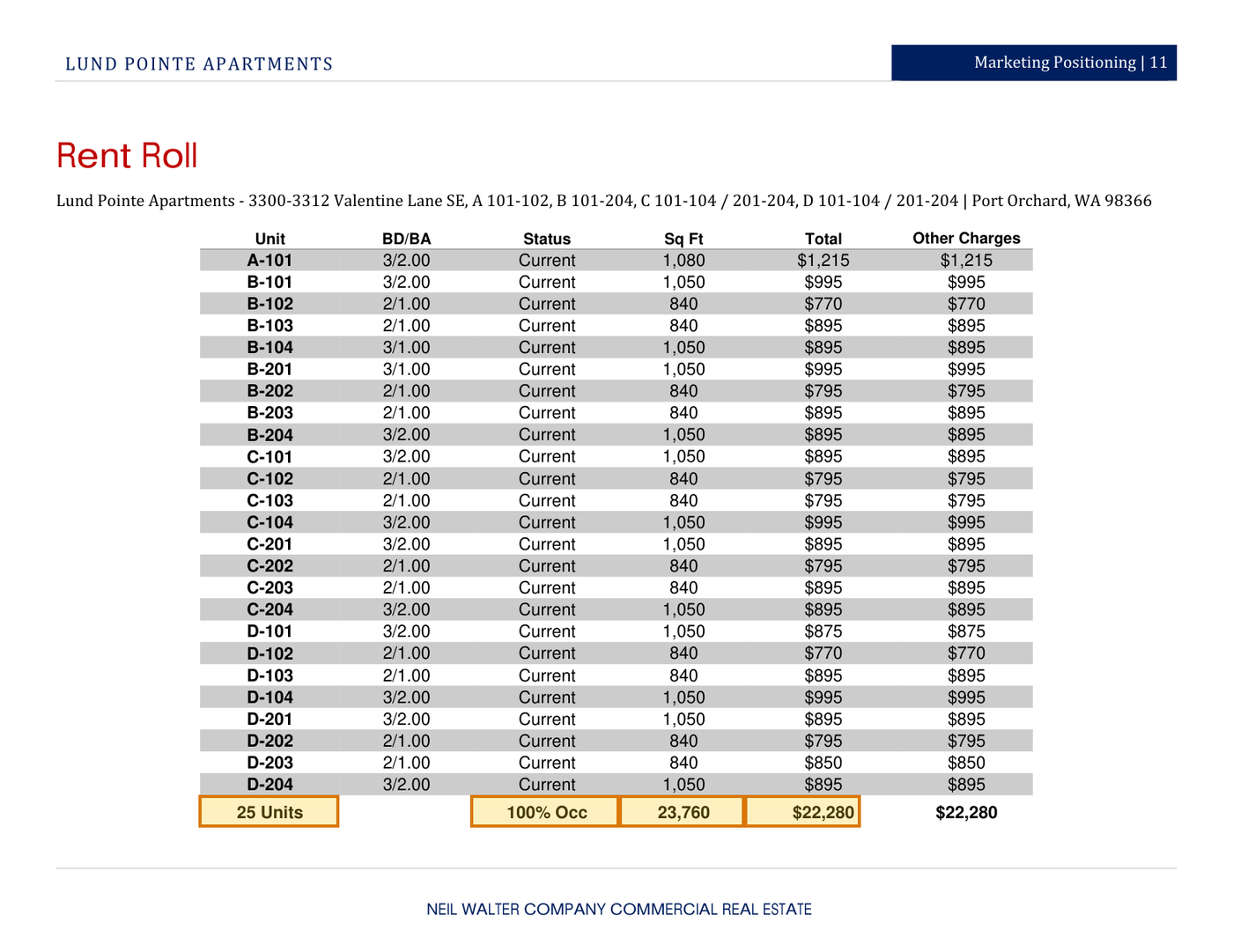
Rent Roll
Property managers export rent rolls from their management software, each in its own columns and order. Multifamily lenders, buyers and appraisers collect a current one for every property they underwrite, as a PDF from the owner, the broker's offering memorandum or a data room. Underwriting needs each unit's type, status, square footage and rent, along with occupancy and total rent. The underwriting model builds gross potential rent and vacancy from those, and sizes the loan against the resulting net operating income.
16-field schema · grounded sample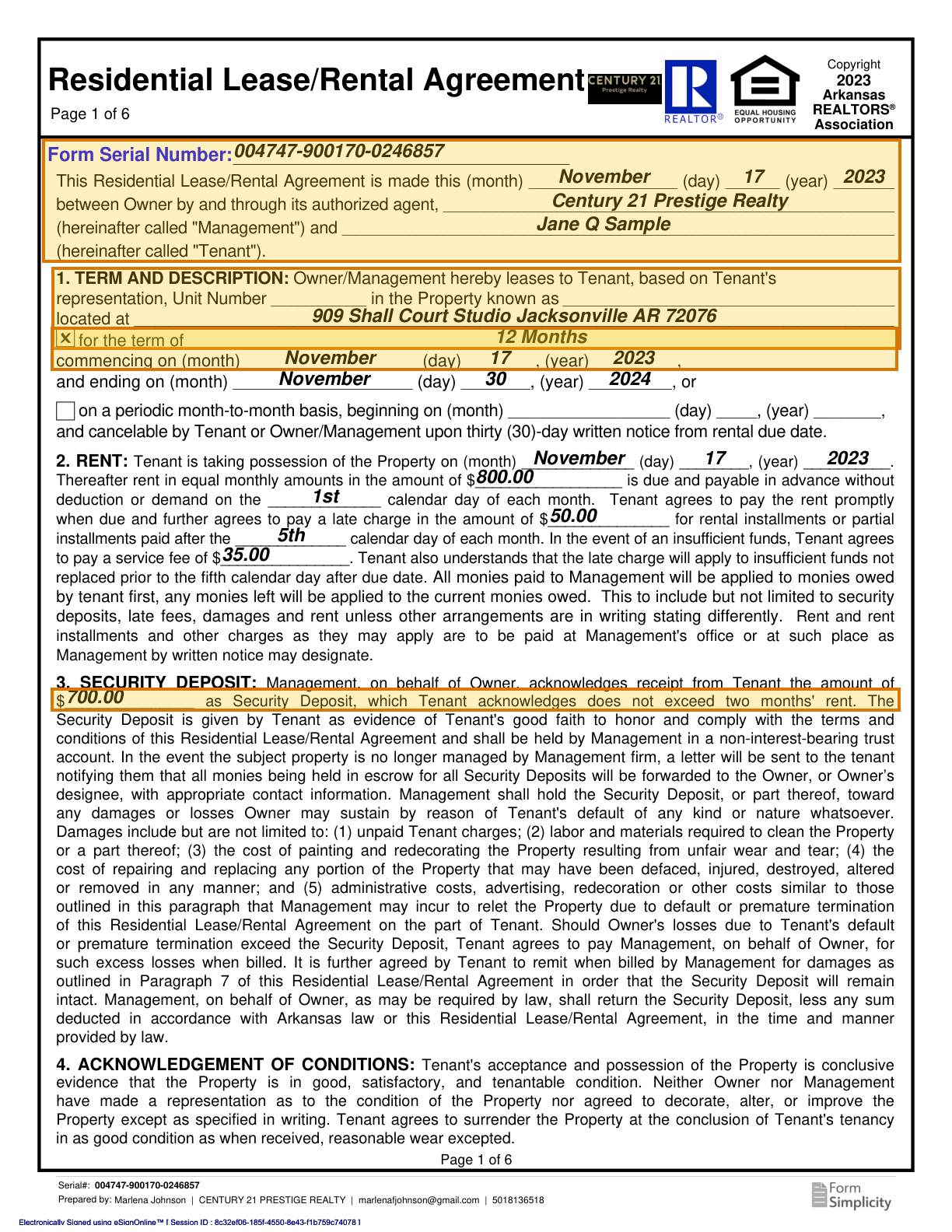
Residential Lease
Each state's REALTOR association publishes a standard lease, and plenty of landlords write their own, so the same clause sits somewhere different on each. A property manager files one for every tenancy and a lender reads one to verify rental income. Large managers process thousands a year, arriving as e-signed PDFs and phone photographs. A verifier needs the tenant, the property address, the term and the security deposit. A property management system opens the tenancy from those, and a bank accepts the same lease as proof of where an applicant lives.
18-field schema · grounded sample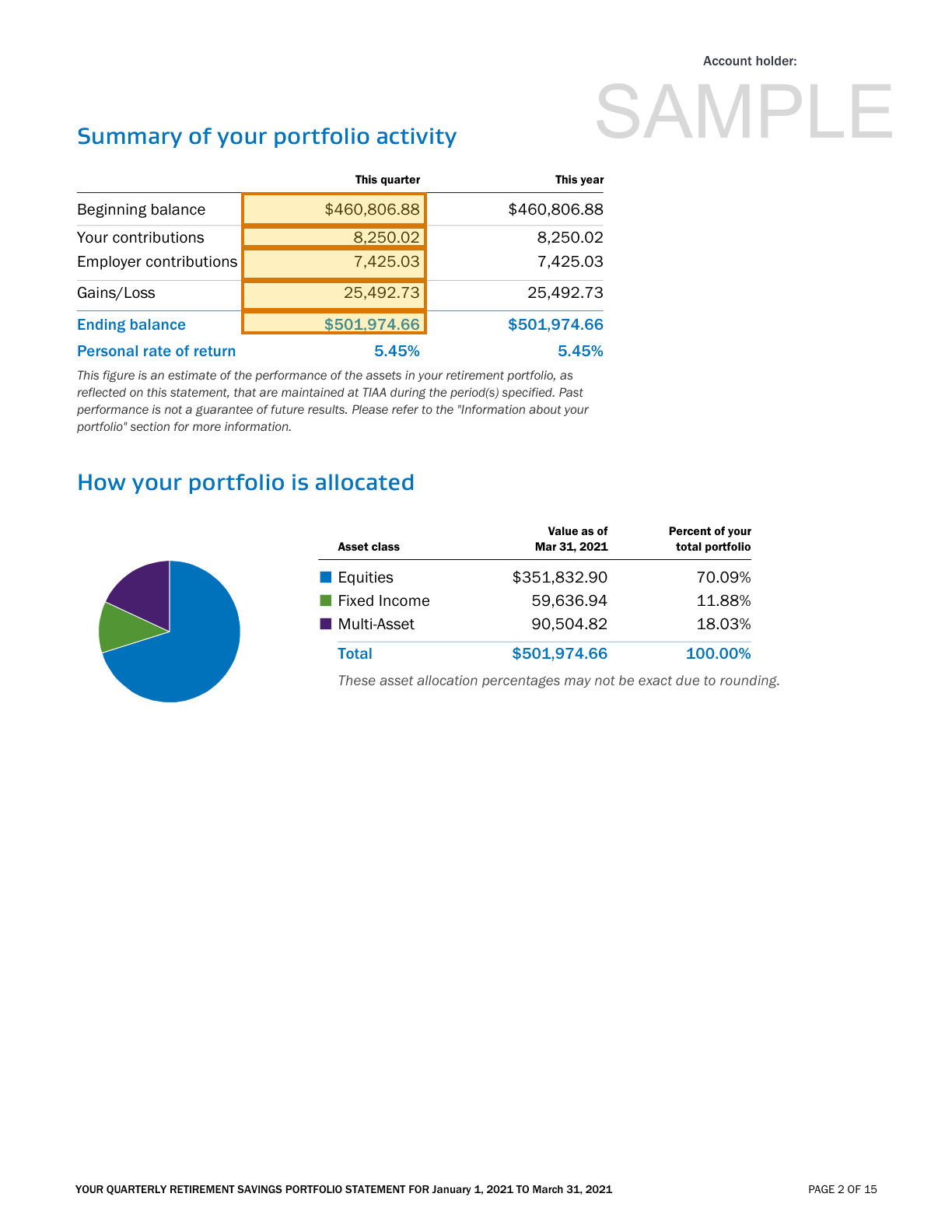
Retirement Statement
A workplace retirement plan sends a statement each quarter, and every recordkeeper lays its own out differently. A mortgage underwriter reads one to count an applicant's reserves, and a divorce or benefits case turns on the same figures. Large lenders see thousands a quarter, arriving as portal downloads and scans. An underwriter needs the ending balance, the contributions on each side and the vested portion. A loan origination system counts the vested balance toward reserves, and discounts what the employer could still take back if the participant left.
24-field schema · grounded sample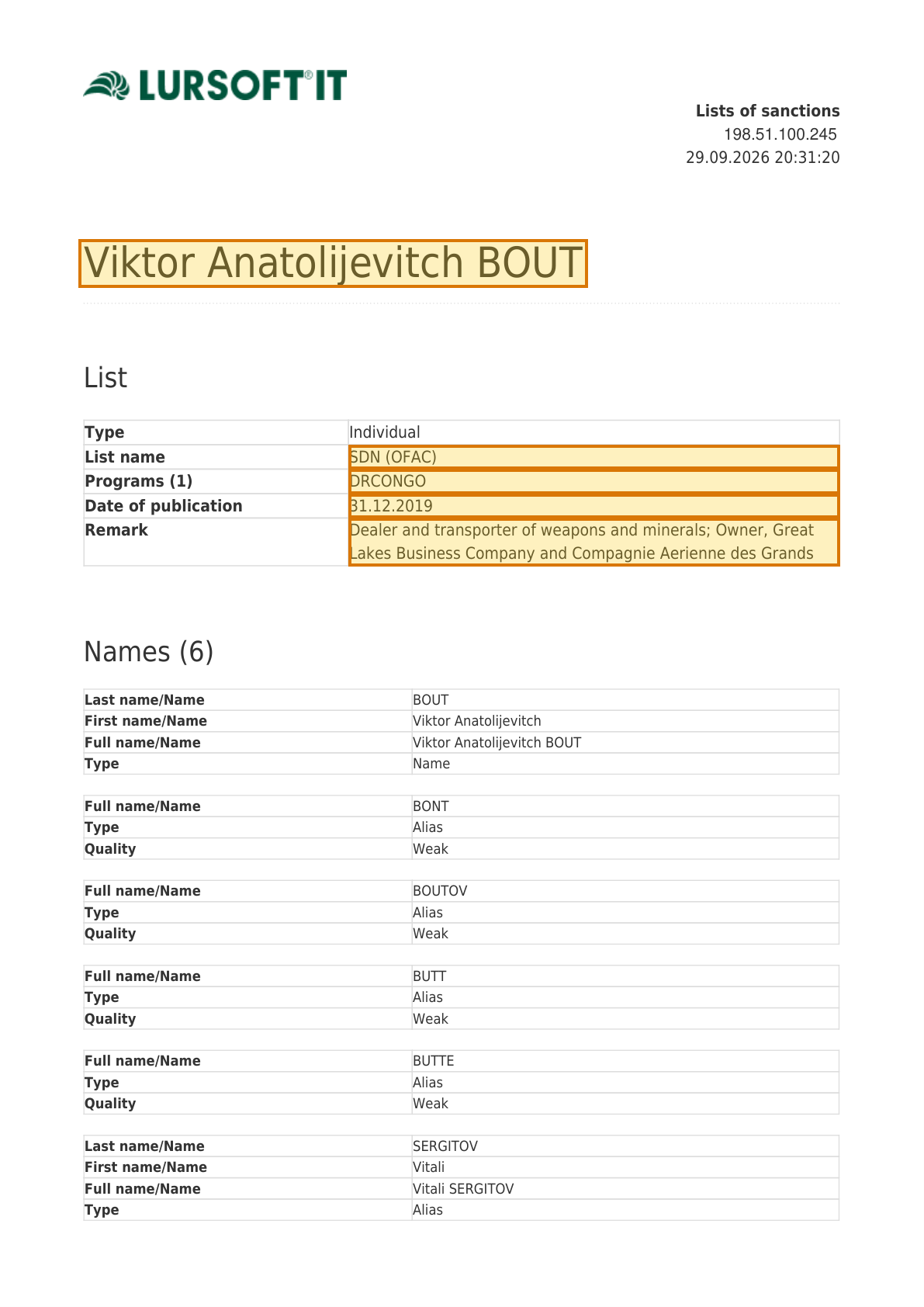
Sanctions Screening
A screening vendor checks a name against the OFAC, EU and UN lists and prints what it found, each vendor in its own layout. A bank screens every customer at onboarding and rescreens its book as the lists change. Compliance teams read thousands a month, arriving as portal exports and PDF attachments. An analyst needs the listed subject, every alias, the list and program, and the date of publication. A case management system matches those against the customer record and an analyst clears the alert or escalates it for filing.
18-field schema · grounded sample
SAT Score Report
The College Board issues one score report per SAT administration. The layout is the same for every student. Admissions offices and scholarship programs read thousands in a single cycle, arriving as student-forwarded PDFs and as bulk transfers from the College Board. A reader needs the total, the two section scores, the percentiles and the eight Knowledge and Skills bands. Admissions systems rank applicants on those, and a district reports them upward as evidence of how a cohort performed.
19-field schema · grounded sample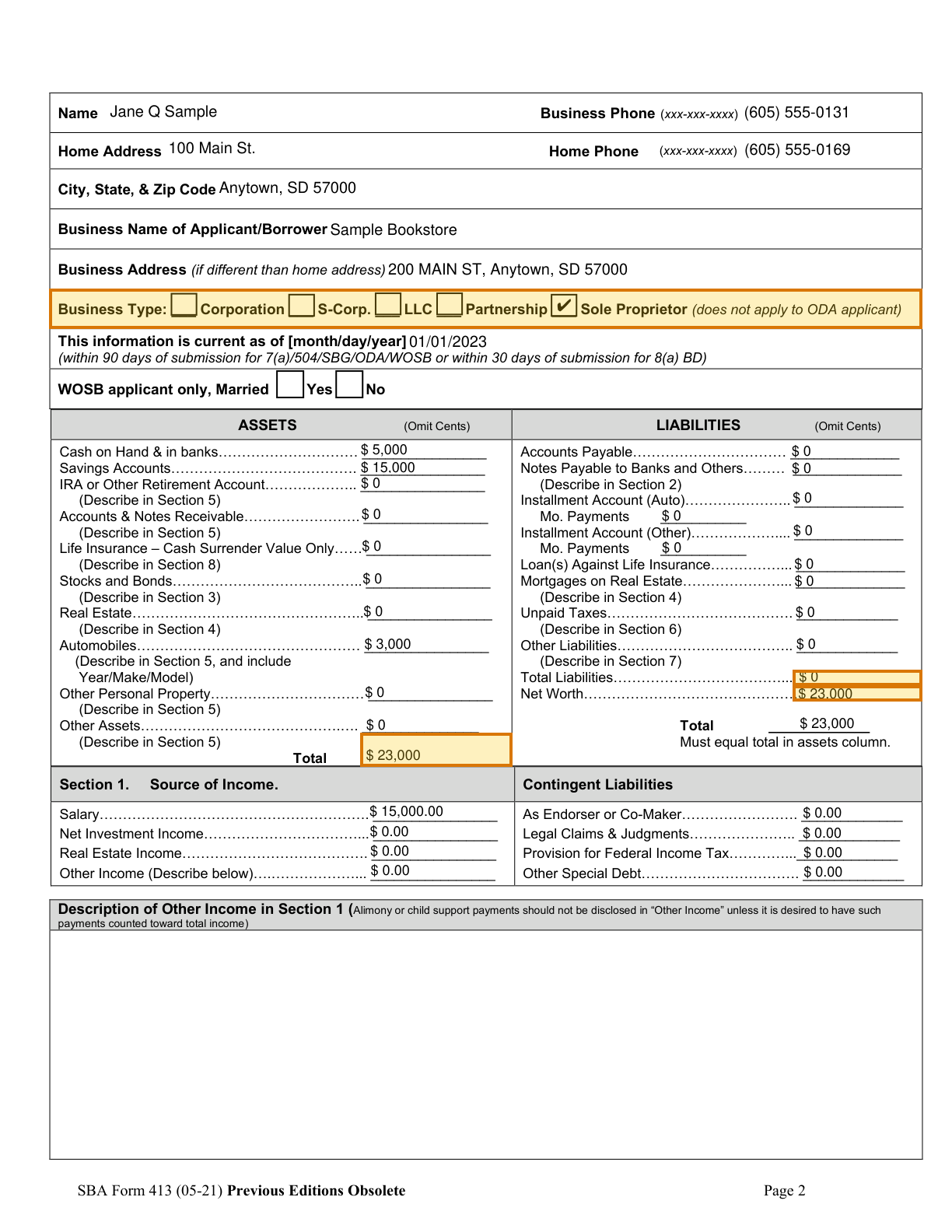
SBA Form 413
Owners and guarantors of a small business complete SBA Form 413, a personal financial statement, for most SBA loan and certification applications. Lenders collect one from every principal named on each application, as a fillable PDF or a scan uploaded to the loan portal. Credit analysts need total assets, total liabilities, net worth, annual income and contingent liabilities. The lender's credit memo uses them to judge each guarantor's liquidity and the strength of the guarantee behind the SBA loan.
53-field schema · grounded sample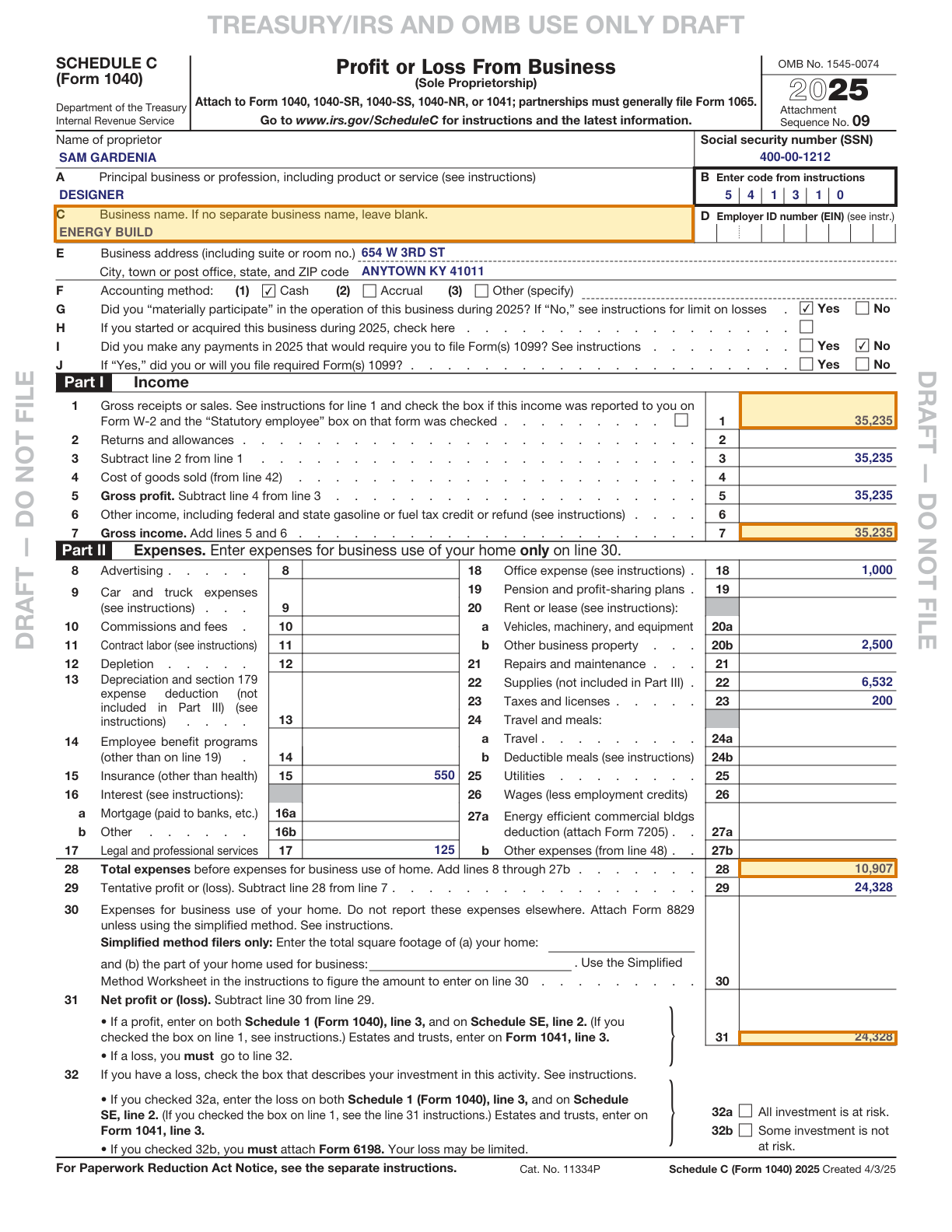
Schedule C
Sole proprietors attach a Schedule C to their 1040 each year, printed by tax software on that year's IRS layout. Mortgage and small business lenders collect two years of them from every self-employed borrower, as PDFs and scans uploaded with the full return. Underwriting needs gross receipts, total expenses, net profit and the deductions that add back, such as depreciation. A cash flow analysis such as Fannie Mae Form 1084 turns those into the income a borrower qualifies on.
60-field schema · grounded sample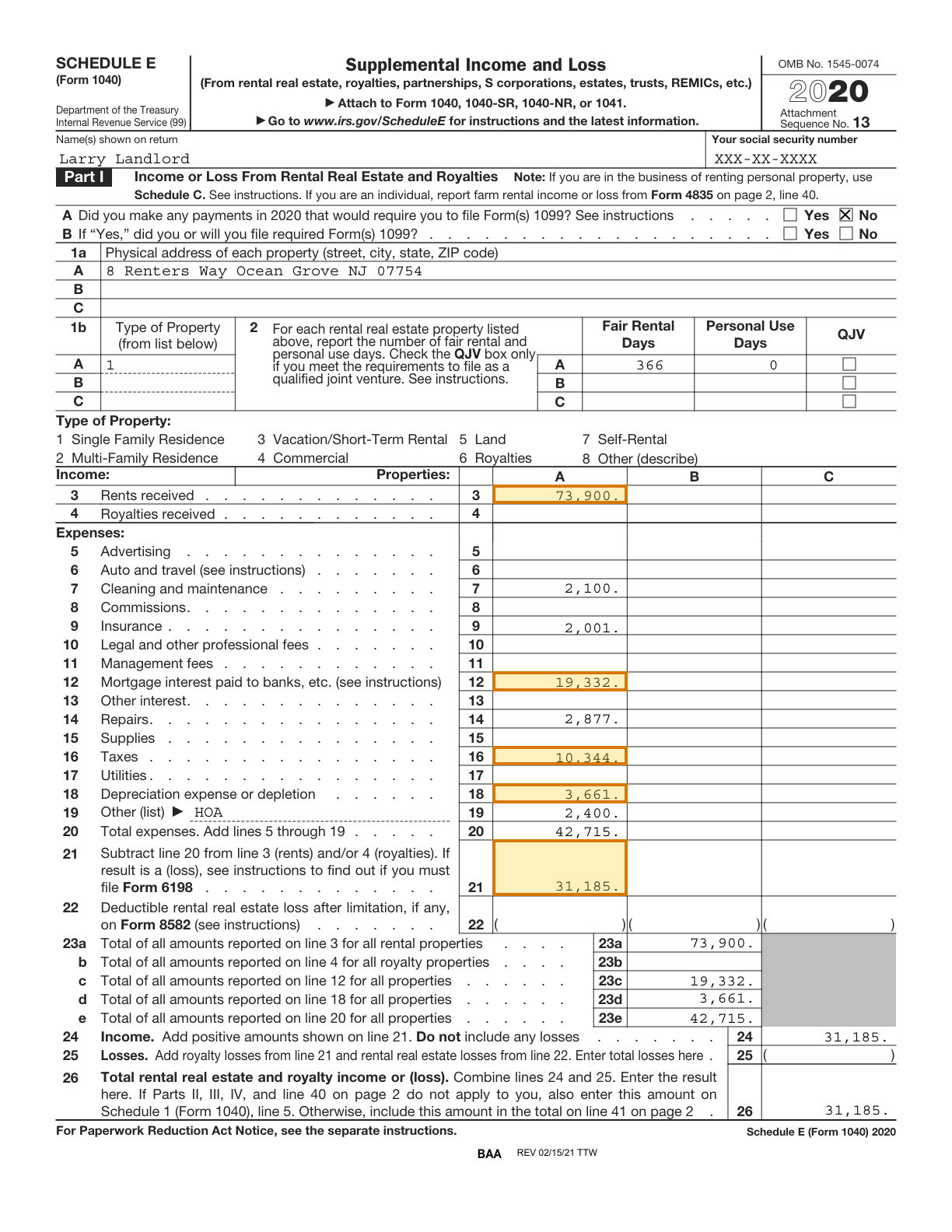
Schedule E
Individuals reporting rental real estate income on Schedule E attach it to Form 1040, using an IRS layout with three property columns. Lenders may request returns as PDFs or scans when applicants use rental income to qualify; the required history varies by loan program. Underwriting needs each property's rents, expenses, depreciation, mortgage interest and net income. A rental income worksheet such as Fannie Mae Form 1038 adds the noncash and financing costs back to arrive at qualifying rental income.
40-field schema · grounded sample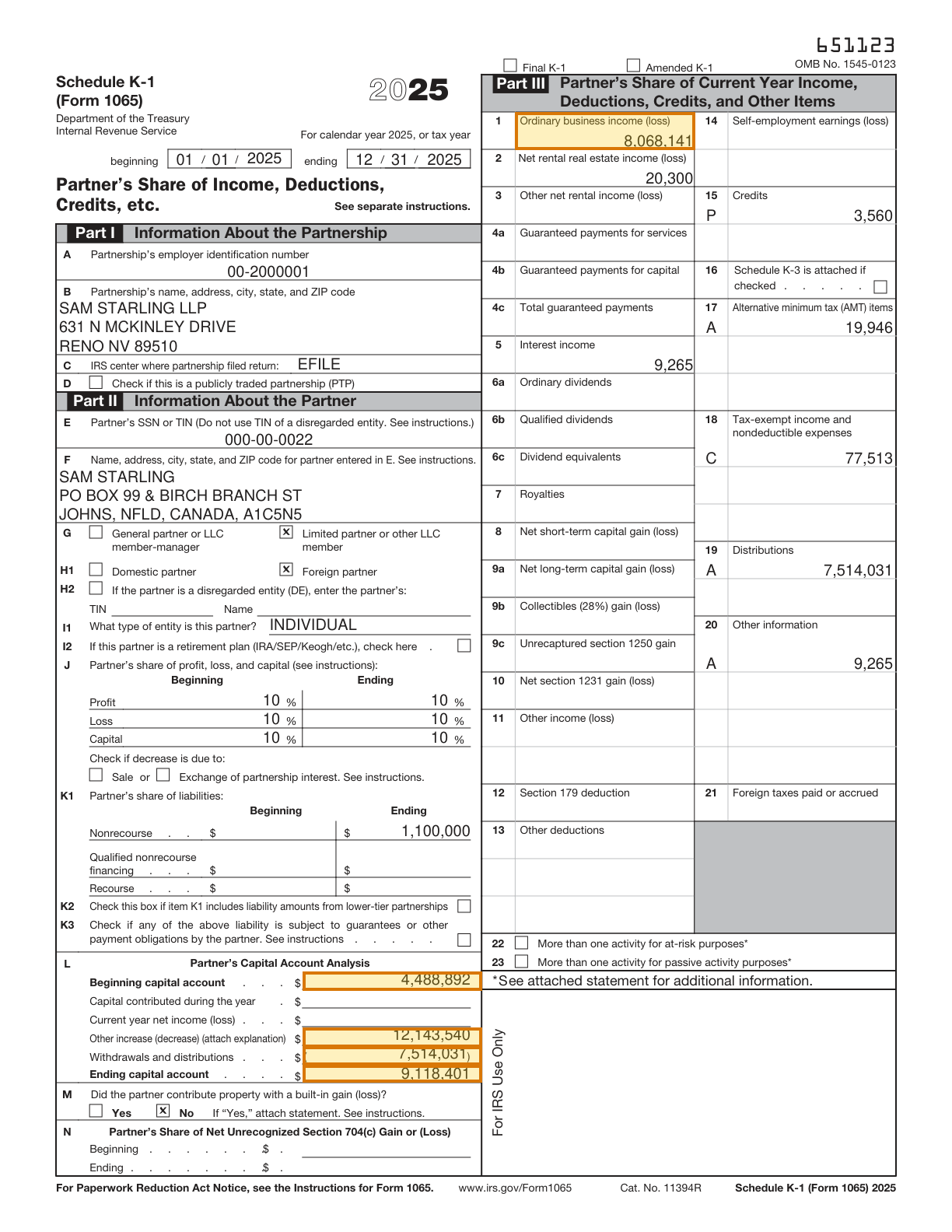
Schedule K-1
Every partnership issues a Schedule K-1 to each partner after filing its return, printed by its tax software on that year's IRS layout. Tax preparers, fund administrators and lenders read them in bulk each season, as PDFs from investor portals or scans of mailed copies. Preparers need ordinary business income, guaranteed payments, distributions and each coded amount. Tax software carries those onto the partner's return, and a lender's cash flow analysis uses them to calculate the income a partner qualifies on.
70-field schema · grounded sample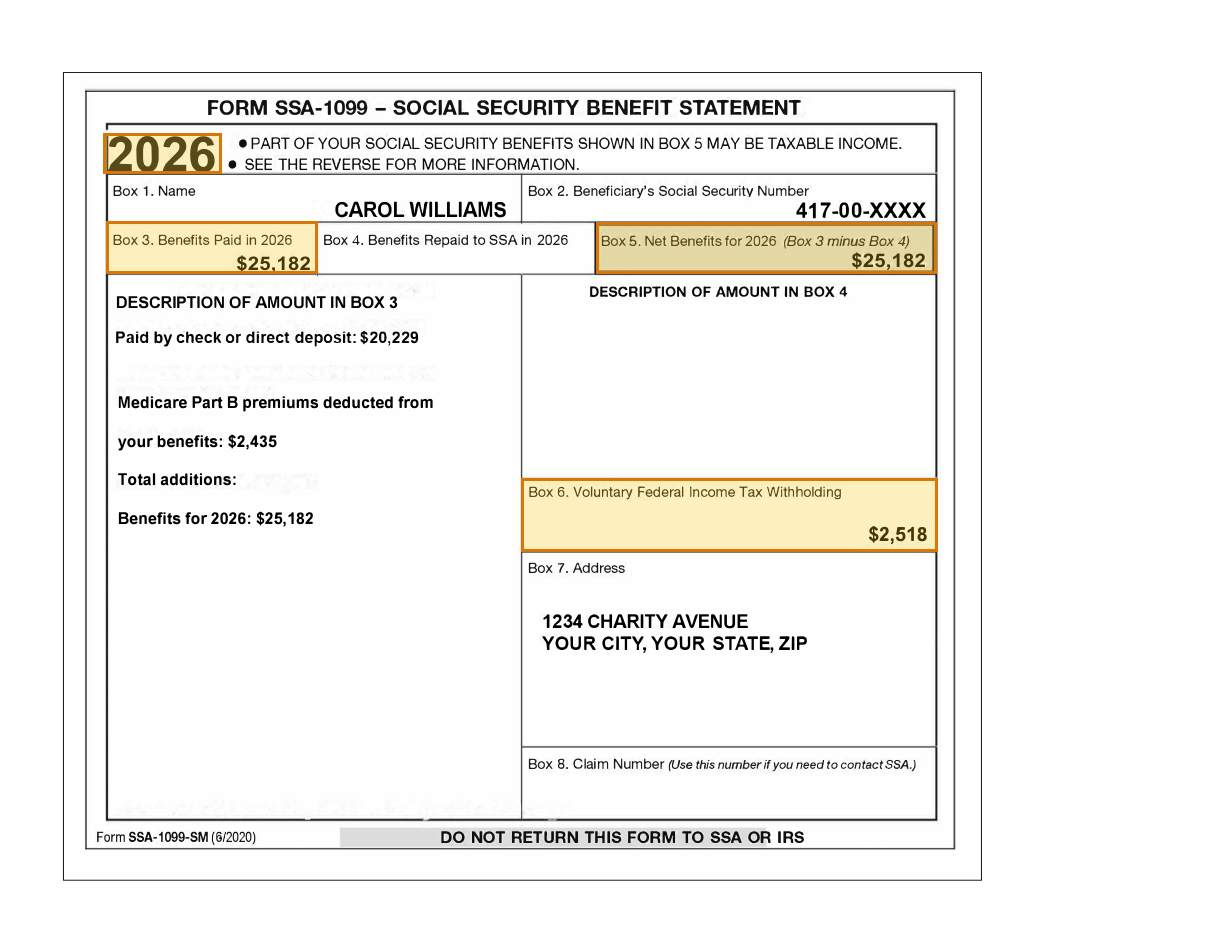
SSA-1099
The Social Security Administration uses SSA-1099 to report annual Social Security benefits on a federal layout. Tax preparers and lenders may request the form when reporting or verifying that income. Recipients can provide a scan, photo or download from their online account. Lenders and preparers need the benefits paid, the benefits repaid, the net benefits and any tax withheld. The loan origination system grosses up the nontaxable portion as qualifying income, and tax software carries the net benefits onto the return.
16-field schema · grounded sample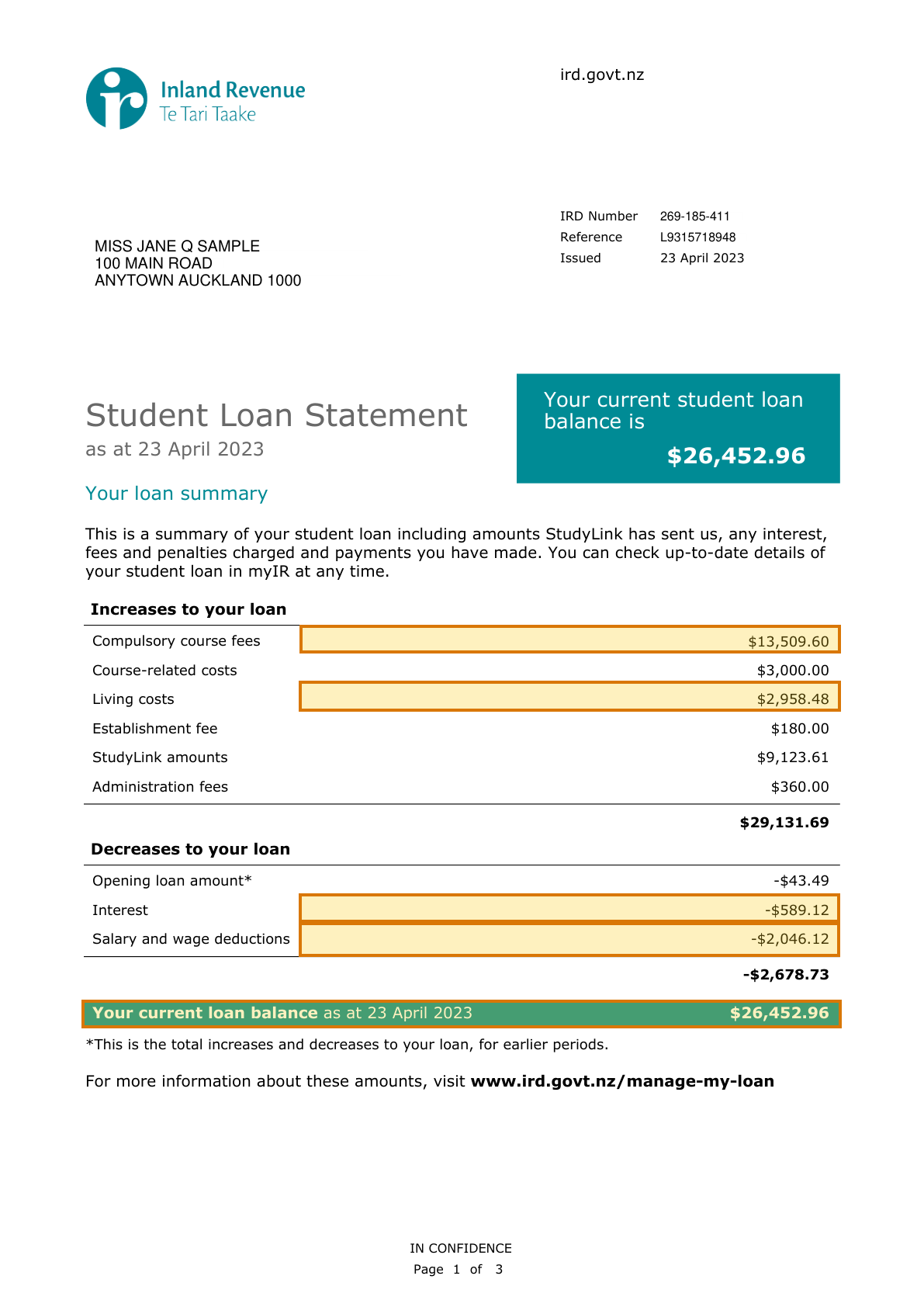
Student Loan Statement
Loan servicers and government agencies issue student loan statements in their own layouts, from US federal servicers to New Zealand's Inland Revenue. Mortgage lenders request one when the credit report needs support, such as a payment in deferment or reported as zero, usually as a PDF from the servicer's portal. Underwriting needs the current balance, the monthly payment and the repayment status. The loan origination system counts the payment in the debt-to-income ratio, or a percentage of the balance where the statement shows a payment of zero.
20-field schema · grounded sample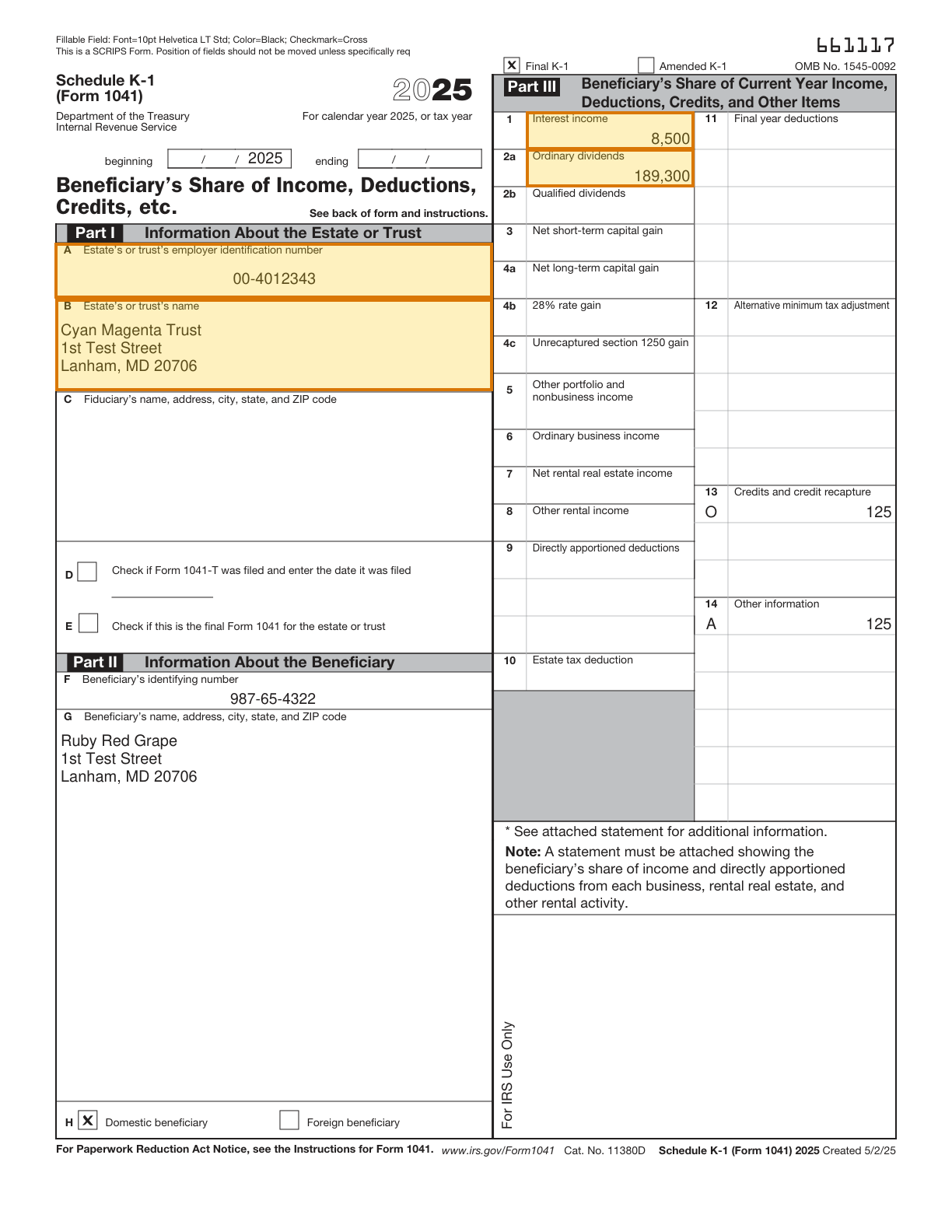
Trust Income Document
A Schedule K-1 (Form 1041) reports a beneficiary's share of estate or trust income on an IRS layout. Tax preparers and lenders may request one when reporting or verifying that income, supplied as a PDF from the trustee or as a scan. Lenders and preparers need the trust's name and EIN, the beneficiary, and each income line passed through. Tax software carries those onto the beneficiary's return, and a lender documents them as trust income that must continue for three more years.
38-field schema · grounded sample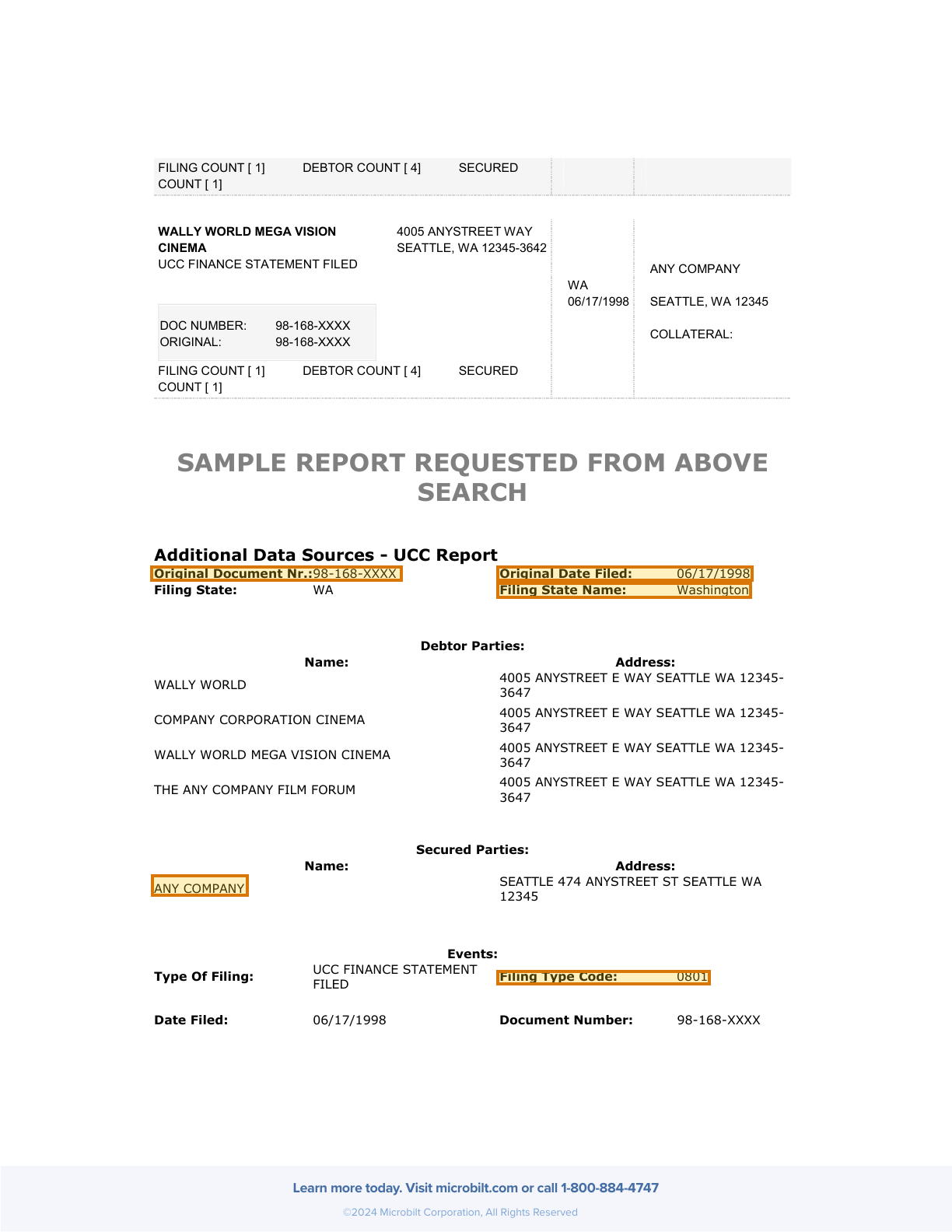
UCC Lien Search
Secretary of State offices and commercial search vendors return UCC lien searches in their own report formats. Commercial lenders, equipment financiers and factors order one for every business borrower, receiving the results as a PDF report or a state search certificate. Credit review needs each financing statement's debtor, secured party, filing number, filing date and collateral. Closing checks those against the deal, and requires a termination before funding wherever an existing lien would take first priority.
27-field schema · grounded sample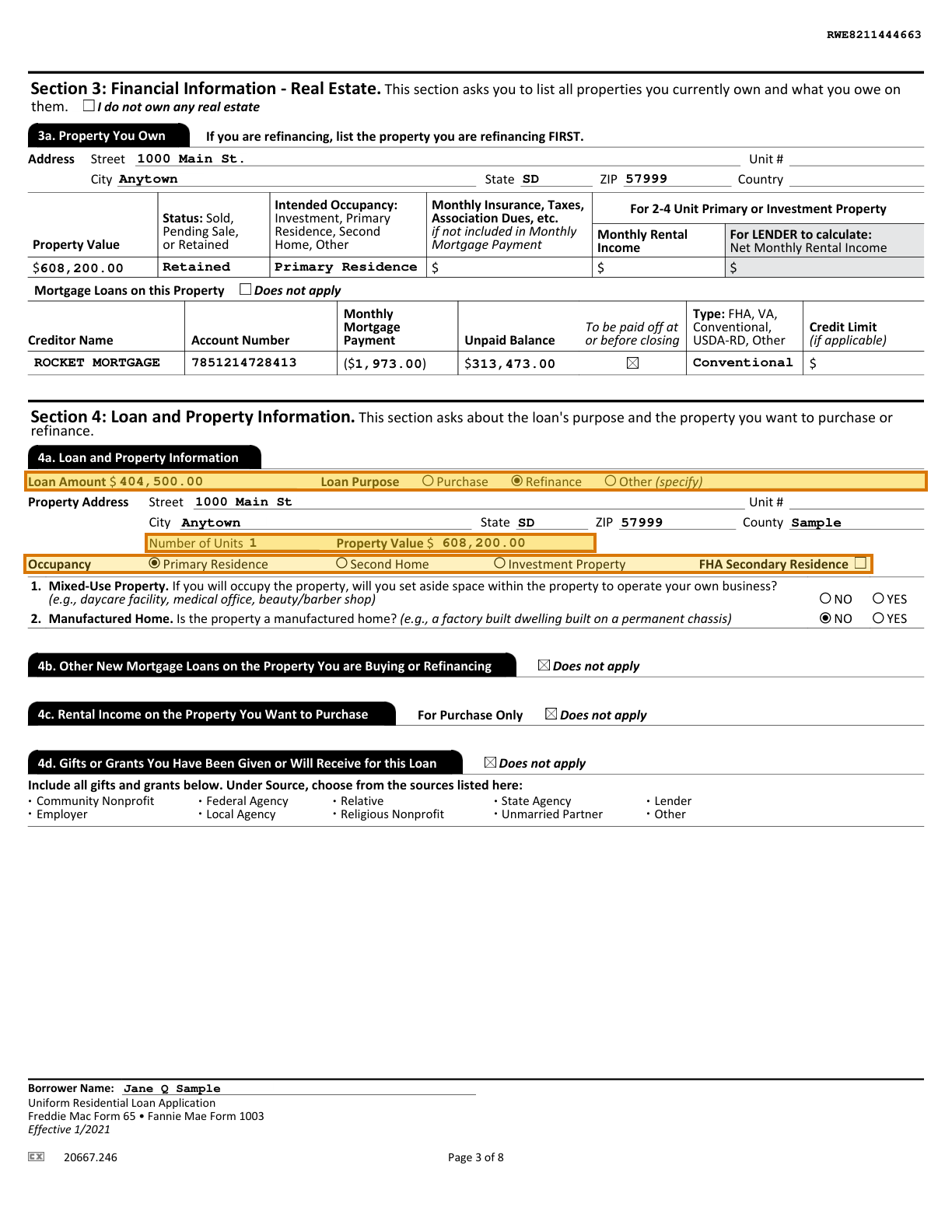
Uniform Residential Loan Application
Nearly every US residential mortgage starts with a Uniform Residential Loan Application, Fannie Mae Form 1003 or Freddie Mac Form 65. The lender's loan origination software fills it in. Processors, underwriters and loan buyers review the signed copy for every loan, as a PDF in the loan file. Underwriting needs the loan amount and purpose, the property value and occupancy, income, assets and liabilities. Those feed automated underwriting, which checks them against the borrower's documents and returns the findings that set the loan's conditions.
98-field schema · grounded sample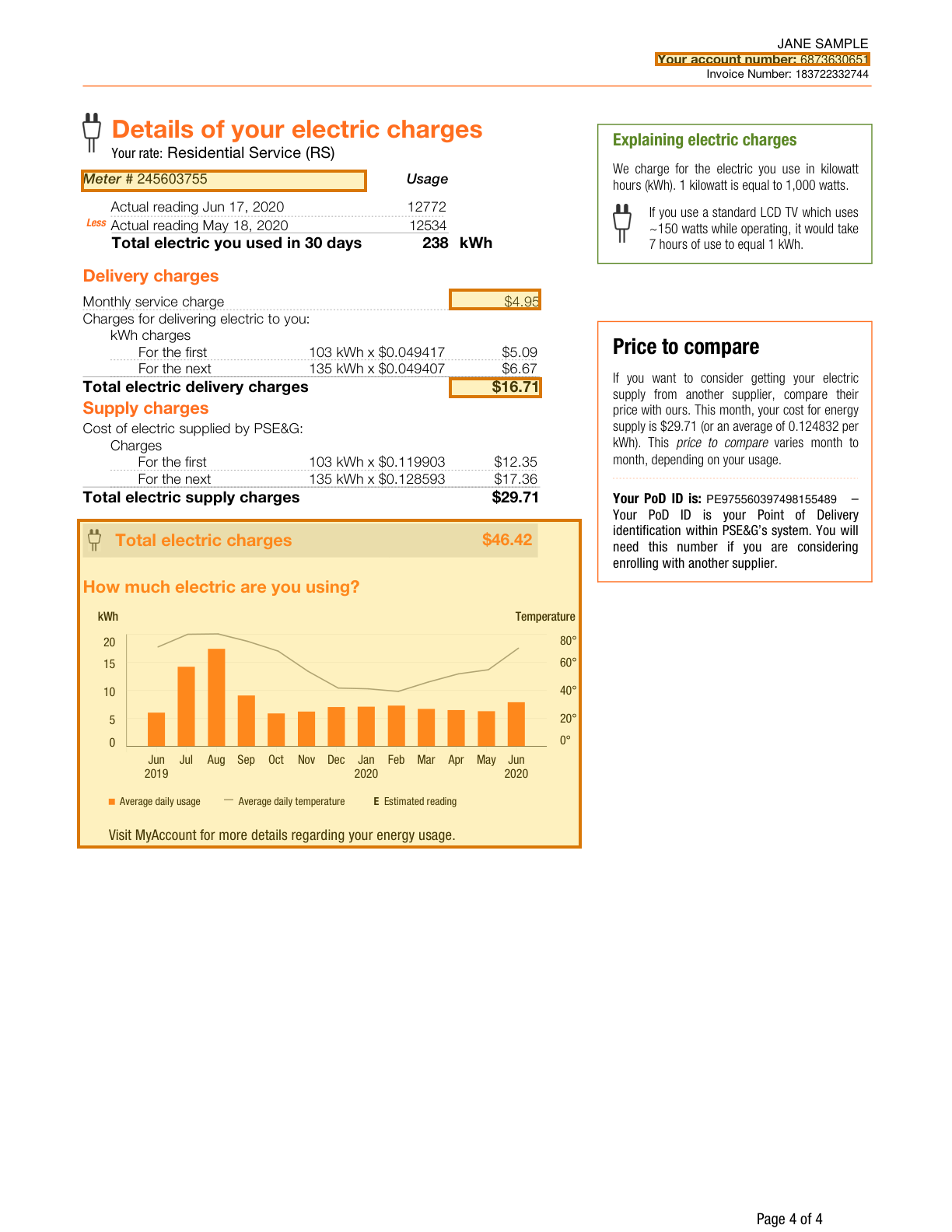
Utility Bill
A utility bills every household and every site it serves, monthly, on a layout of its own design. Banks take them as proof of address and energy managers take them for consumption data, so one document serves two unrelated jobs. Both handle thousands a month, as portal downloads and phone photographs. A verifier needs the account holder, the service address and the bill date; an energy team needs the meter readings, the usage and the charge totals. KYC onboarding checks the address against the application, and an energy management platform tracks cost per unit across sites.
24-field schema · grounded sample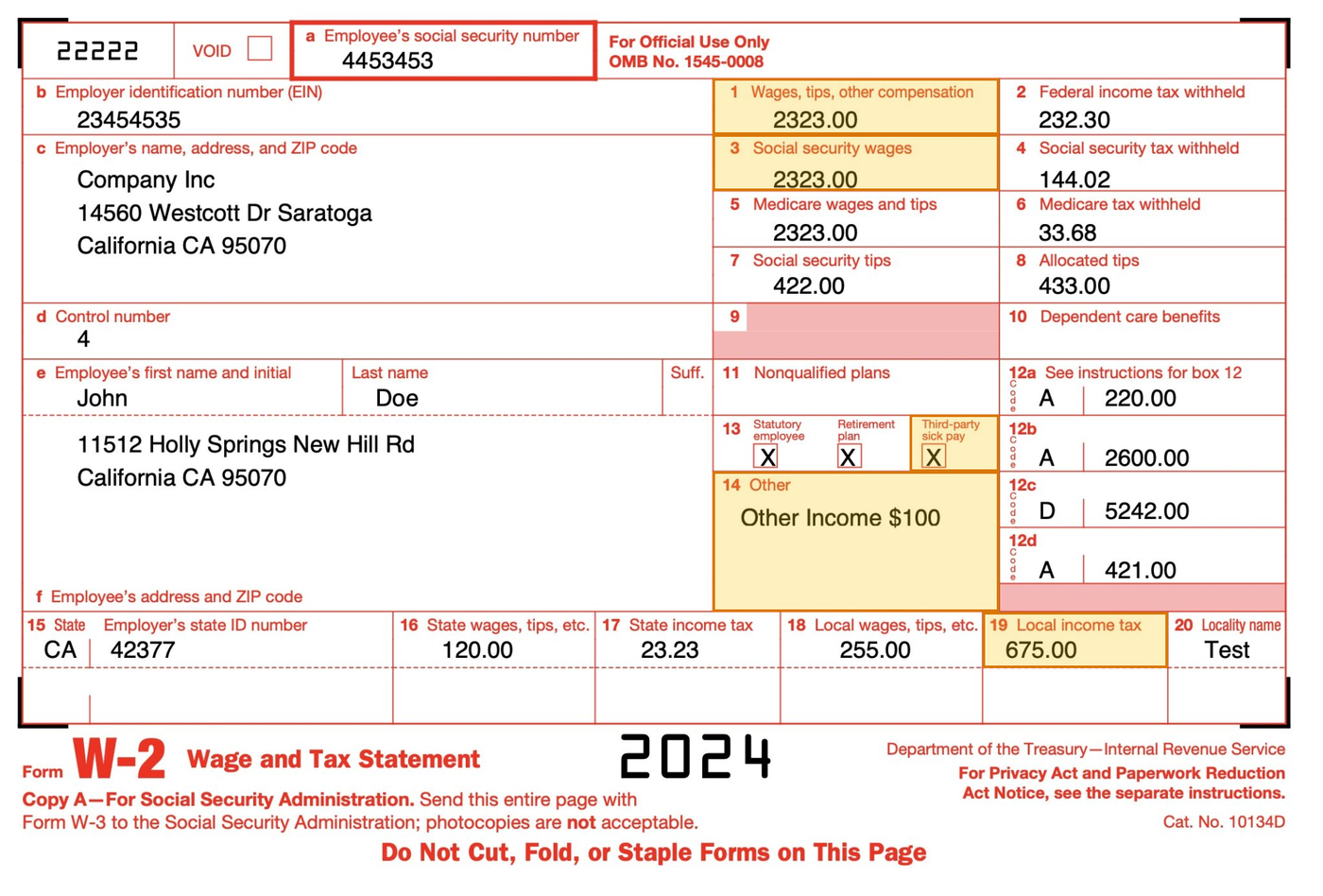
W-2 Form
Every US employer issues a W-2 to every employee each January, on a layout the IRS fixes box for box. What differs is the rendering, and every payroll vendor has its own. Tax preparers and mortgage underwriters take them by the thousand, as portal downloads and phone photographs of the mailed copy. A preparer needs the wages in box 1, the federal tax withheld in box 2, and the state and local rows along the bottom. Tax software carries those onto a return, and a loan origination system reads box 1 to qualify a borrower's income.
33-field schema · grounded sample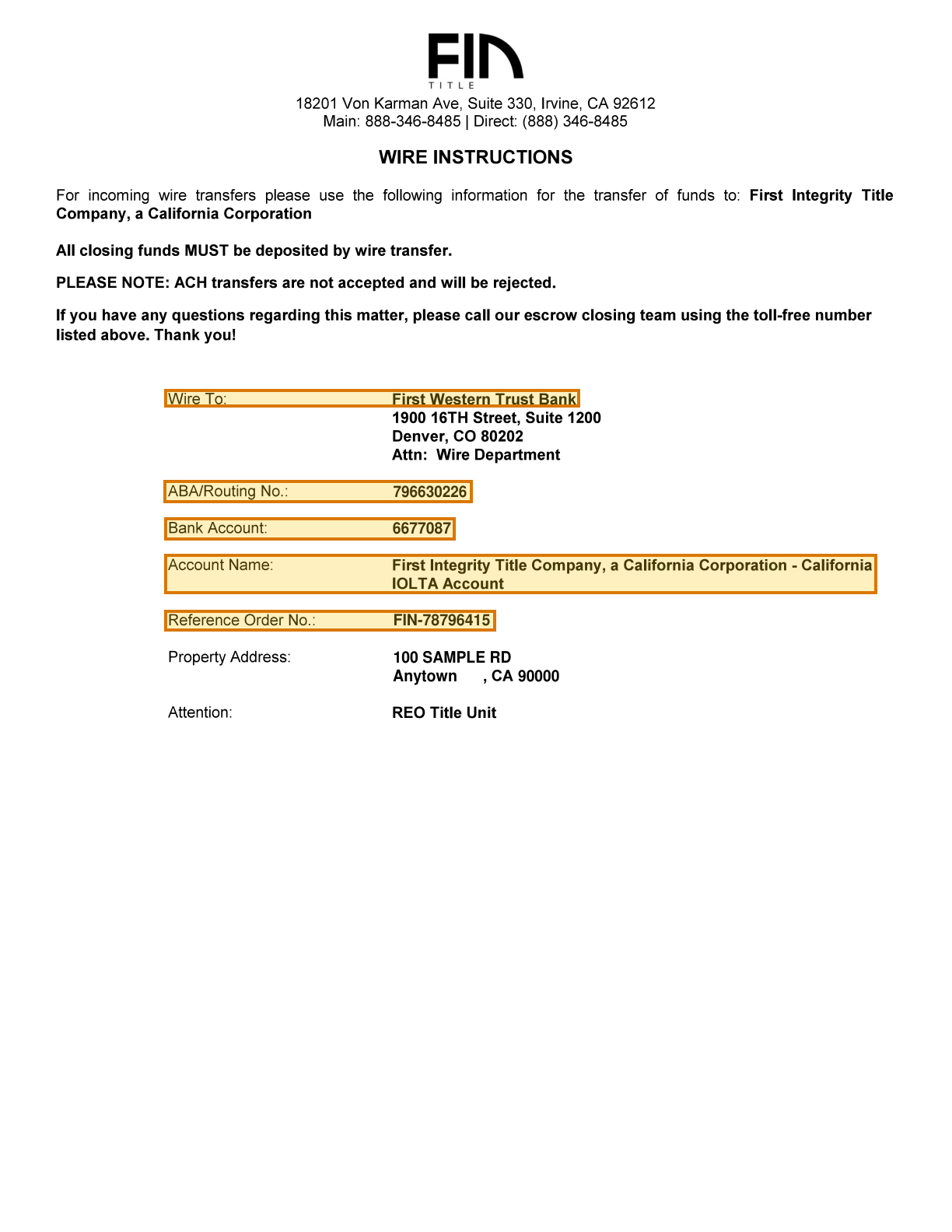
Wire Instructions
Title companies, law firms and loan servicers each print wire instructions on their own letterhead. A closing team receives one from every party it pays at a real estate closing, including the seller and each lender being paid off. They arrive as PDF attachments by email or through a closing portal. Escrow needs the receiving bank, the routing number, the account number, the account name and the reference to quote. Those go into the bank's outgoing wire system once a callback to a number already on file confirms them.
15-field schema · grounded sample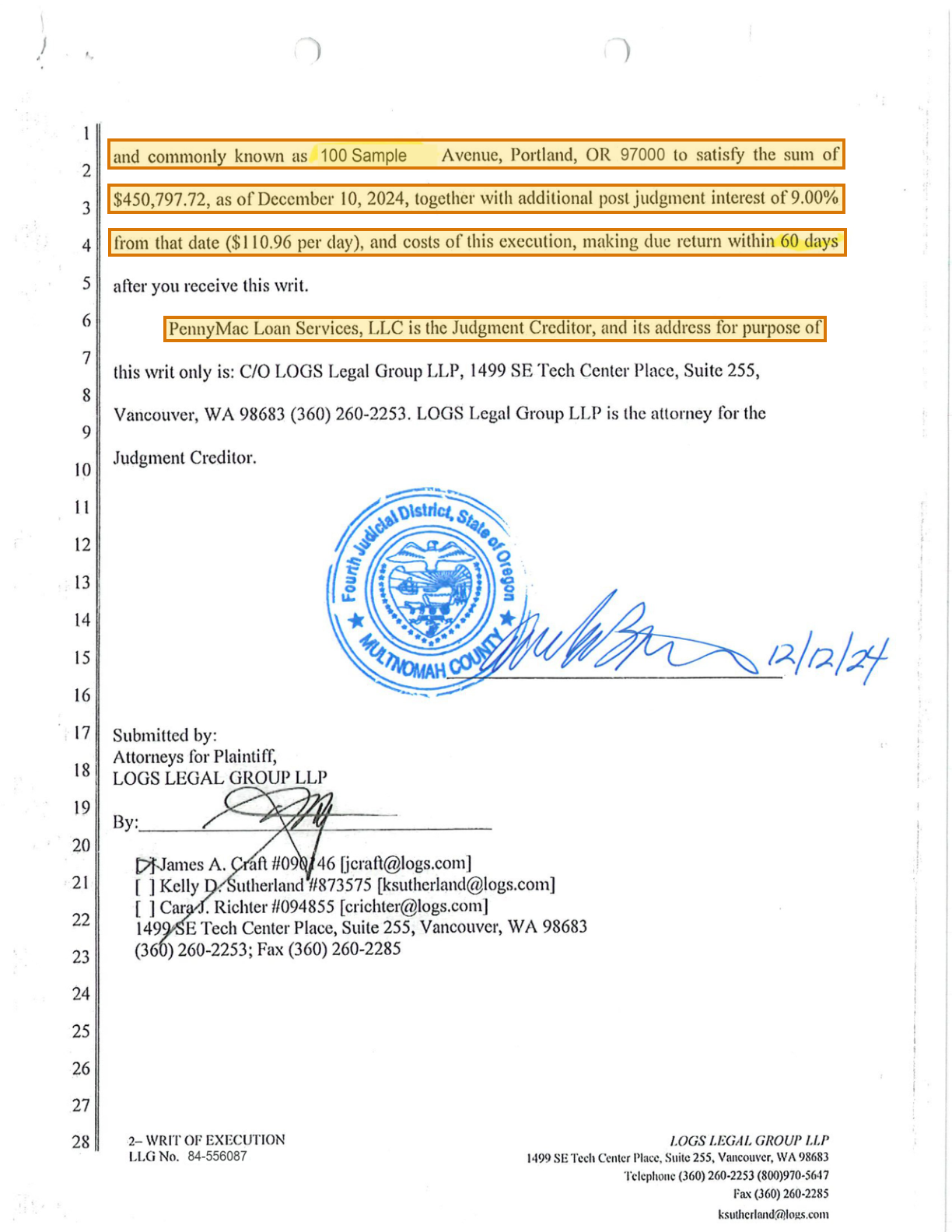
Writ of Execution
A court clerk issues a writ of execution at the judgment creditor's request, on a state checkbox form or as an order drafted in prose. The sheriff's civil unit receives one for every judgment it enforces by sale, filed on paper or sent as a scanned PDF by the creditor's attorney. The sheriff needs the case number, the amount to satisfy, the post-judgment rate and per diem, and the property. Those feed the sheriff's sale process, which schedules the sale, publishes notice and computes the amount due on the day of sale.
20-field schema · grounded sample